Cold Water Boating can feel manageable from the dock, especially on a mild day, but cold water changes the risk picture quickly. A boater who falls in may face cold shock first, then loss of hand function, then hypothermia if rescue or reboarding is delayed. The safest plan is built before departure: wear the right life jacket, dress for the water temperature, check conditions, and make reboarding realistic for every person aboard.
Why Cold Water Boating Raises Hypothermia Risk
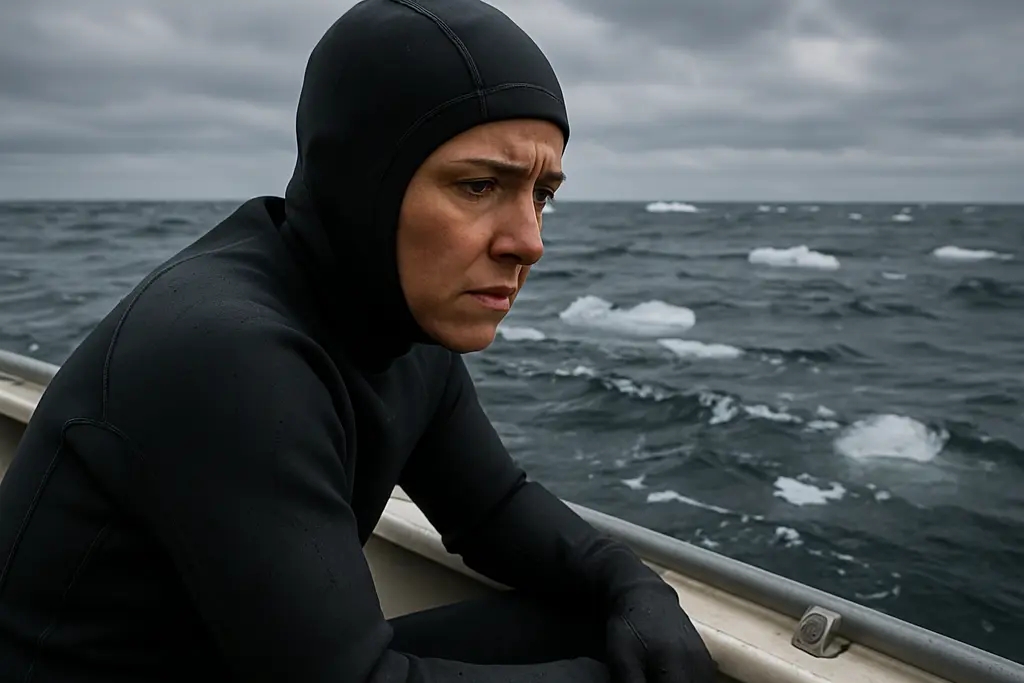
Hypothermia risk is not based on air temperature alone. The National Weather Service states that water in the upper 30s to 40s degrees Fahrenheit can lead to hypothermia in “just a matter of minutes” after capsizing or accidental immersion, and that water can conduct heat away from the body up to 26 times faster than air National Weather Service cold water guidance. That is why a sunny spring or late-season afternoon can still be dangerous if the water has not warmed.
Cold exposure affects judgment, breathing, strength, and coordination. For boaters, the hand and arm problem is especially serious. A person who cannot grip a rail, ladder, line, paddle, or radio may not be able to help themselves even if the boat is close. This is one reason a cold-water safety plan should focus on staying out of the water, staying afloat if immersion happens, and getting back aboard fast.
Cold Water Boating Signs To Respect
Warning signs begin before anyone gets wet. Cold water, gusty weather, heavy clothing, low freeboard, poor footing, and no practical reboarding method all raise the risk. A study involving military personnel immersed in water averaging about 1.3 degrees Celsius, or roughly 34 to 35 degrees Fahrenheit, found mild hypothermia in about 25 percent of participants by around 26 minutes; almost all lost hand dexterity within about 4 to 8 minutes cold water immersion study. The study setting was specific, so recreational boaters should not treat those times as a personal survival clock. They do show why fine motor skills can fade early.
Cold Shock Comes Before Deep Hypothermia
The first moments after immersion can be dominated by breathing control. The commonly cited “1-10-1” cold water survival rule describes the first minute as a period to control breathing, the next 10 minutes as a window of meaningful movement, and later onset of deeper hypothermia after about 30 minutes or more. These are general teaching points, not guarantees. Water temperature, clothing, flotation, health, fatigue, injury, and distance from help all change the outcome.
Predeparture Checks For Cold Conditions
Good preparation starts with a conservative go-or-stay decision. Check the water temperature, air temperature, wind, waves, visibility, and the chance of conditions changing while you are out. If the trip includes exposed water, limited daylight, or few nearby boats, treat the margin for error as smaller. For regional planning habits in colder months, this related article on late season boating checks pairs well with a local forecast review.
Dress For The Water, Not The Air
Clothing should be chosen for immersion risk. Wetsuits, dry suits, and insulating layers made from wool or synthetic materials are more suitable than cotton for cold conditions because the goal is to slow heat loss if wet. A properly fitting USCG-approved life jacket should be worn, not merely stored. In cold water, a life jacket helps keep the airway above water, reduces the need to swim, and preserves energy while the person focuses on breathing, signaling, or reboarding.
Fit matters. A loose life jacket can ride up, interfere with movement, or fail to support the wearer well. Before leaving, have each person fasten their own jacket, tighten it, and confirm they can still sit, move, and reach handholds. Children, guests, and occasional boaters should not be expected to adjust unfamiliar gear during an emergency.
Communication And Reboarding Readiness
A cold-water outing should include more than a phone in a pocket. Carry a practical means to call for help, such as a VHF radio where appropriate, and keep signaling devices where they can be reached. Solo boaters need a stricter plan because there may be no one left aboard to turn the boat, throw flotation, or deploy a ladder. If the boat has a reboarding ladder, test it from the water in safe conditions before relying on it. A ladder that cannot be reached or deployed by a person in the water is not enough.
- Wear a properly fitting USCG-approved life jacket before departure.
- Dress for the water temperature, using insulation suited to wet conditions.
- Check water temperature, forecast, wind, waves, and daylight limits.
- Tell someone ashore your plan, route, passenger count, and return time.
- Confirm that a cold, tired person can use the reboarding method.
- Keep communication and signaling gear accessible, not buried in storage.
If Someone Goes Into Cold Water

The first response should be calm and direct. Keep sight of the person, get flotation to them if they are not already wearing it, and avoid creating a second victim. If the person can reach the boat, use the safest reboarding method available. If they cannot reboard, flotation becomes the priority while help is contacted. A person alone in the water may use the Heat Escape Lessening Posture, often called HELP, while wearing a life jacket. A group wearing life jackets may huddle together to slow heat loss and stay easier to spot.
First Minutes Matter
Cold shock can trigger gasping and panic. Encourage the person to keep their airway clear, control breathing, and avoid unnecessary swimming unless it is clearly needed to reach safety. Swimming in cold water can use energy quickly and may speed loss of useful movement. If the boat can be brought alongside safely, approach with care, keeping propellers and hull movement in mind. A thrown line, flotation cushion, or reachable ladder can make the difference between a quick recovery and a prolonged immersion.
After Reboarding
Once the person is back aboard, the risk has not ended. Wet clothing, wind, and exhaustion can continue to pull heat from the body. Move them away from spray and wind, replace wet layers with dry insulation if available, and seek emergency help when symptoms, prolonged immersion, injury, confusion, or severe shivering are present. Boat crews should avoid assuming that a person is fine just because they is conscious and talking. Cold exposure can affect judgment, coordination, and strength after rescue.
Cold Water Boating Safety Habits
Cold Water Boating safety depends on ordinary habits done consistently. The strongest habits are simple: wear the life jacket, dress for immersion, review the forecast, brief guests, and practice reboarding before the day it is needed. Marina teams and boat owners can support safer trips by checking ladders, deck grip, rails, bilge condition, batteries, radios, and emergency gear before launching into cold conditions.
No article can predict exactly how long a specific person can function in cold water. The practical lesson is to avoid testing that limit. If the water is cold enough to threaten dexterity and breathing, plan as though self-rescue time will be short. Keep the trip close to conditions, crew ability, and equipment readiness. For related safety resources in the same network, refer to Agheiro which may be useful, but official forecasts and local marine advisories should guide the final go-or-stay decision.
Cold Water Boating is most rewarding when the crew respects the water rather than the calendar. A warm jacket in the cockpit is helpful, but a worn life jacket, insulation that works when wet, and a tested way back aboard are more valuable. Before casting off, ask one plain question: if someone fell in right now, could they float, breathe, signal, and get back aboard quickly? If the answer is uncertain, fix that at the dock.