
Local Notices to Mariners give boat owners a practical way to spot temporary hazards before they leave the dock. A floating obstruction, damaged aid to navigation, shoaling report, bridge clearance change, or work zone can turn a familiar route into a higher-risk passage. The value is not only in reading a notice, but in turning that information into a slower speed, a different route, a second crew briefing, or a decision to wait.
The U.S. Coast Guard issues these notices weekly for each Coast Guard district, and urgent conditions may be published more often, as described by NOAA’s nautical publications resource. For recreational boaters, that schedule matters. A chart that was accurate last month may not show a short-term hazard reported last week. A marina entrance that was clear in spring may have a seasonal shoal or a changed buoy position after heavy weather.
Why Local Notices to Mariners Matter
Temporary Hazards Can Be Easy To Miss
Temporary hazards are often local, specific, and easy to overlook during a casual pre-departure check. The U.S. Coast Pilot describes notices as covering temporary or proposed changes to aids to navigation, hazards to navigation, bridge clearances, chart corrections, and special notices in Coast Pilot guidance. That range is broad enough to affect small cruisers, sailboats, center consoles, and marina-based day boats.
Because Local Notices to Mariners are weekly products, they help fill the gap between fixed chart information and conditions that change faster than a chart edition. A buoy may be missing, off station, or operating differently than expected. A channel edge may have shoaling. A bridge clearance may have a temporary restriction. None of those details should be treated as background reading if they sit along your intended track.
Why Weekly Is Not Always Enough
Weekly review is a sound baseline, but it is not the only check a prudent skipper should make. Broadcast Notices to Mariners can provide district-specific, near-real-time updates by email or RSS. That is useful when a hazard appears after the weekly notice was published, or when a temporary safety issue develops near a channel, bridge, river mile, or harbor entrance.
Some LNM products also include geospatial files, including categories such as temporary changes and hazards to navigation. Those files can support use in digital charting systems or marine planning tools. The limitation is that no app should replace seamanship. Confirm what your device displays, keep paper or offline backups appropriate for the trip, and compare notice text against the actual waterway before committing to a close pass.
How To Check And Apply Notice Information
Reading Local Notices to Mariners Before Departure
Start by reading Local Notices to Mariners for the Coast Guard district that covers your route, not just your home port. A short trip that crosses a district boundary, follows a river system, or passes a bridge or dredging area may place the boat under notices from more than one area. Before departure, identify the waterways, mile markers, bridge names, entrance channels, and aids to navigation that you expect to use.
Then compare those names and locations with the notice. If a notice describes shoaling, a submerged object, degraded bank, or altered aid, mark it in your trip plan. A notice is most useful when it leads to a clear action: reduce speed, increase lookout attention, widen a berth, choose an alternate channel if suitable, or delay the outing if the risk is beyond the crew’s comfort and the boat’s capability.
Pair Notices With Weather, Water Levels, And Crew Briefings
A temporary hazard rarely exists in isolation. A shallow area can become more limiting with lower water. A missing light is more serious in poor visibility or after dark. A degraded bank or narrow channel may call for extra wake awareness. Pair notice review with forecast checks, tide or river level awareness where relevant, and a clear onboard briefing. For related pre-trip risk habits, a skipper can also review marine weather alerts before choosing a go or no-go plan.
Keep the crew briefing short and specific. Tell the lookout what to watch for, where the hazard lies, and how close the vessel should get. If the helm will slow near a bank, buoy, bridge, or work zone, say that before reaching the area. Good communication reduces last-second decisions, especially in confined water where wakes, traffic, or current can narrow your options.
Build Local Notices to Mariners Into Routine Maintenance
Treat Notice Review As Part Of Boat Readiness
Boat maintenance is not limited to engines, pumps, batteries, and safety gear. Information maintenance matters too. A current route plan, updated chart data, and recent hazard awareness are part of a safe boat. Place notice review beside fuel checks, bilge checks, navigation light checks, and life jacket readiness on your departure routine.
A simple rhythm works well for many owners. Check the weekly notice before planning the weekend. Check Broadcast Notices to Mariners closer to departure. Review the route at the dock. Brief the crew before lines are cast off. Recheck if the trip is delayed, the route changes, or weather reduces visibility. These steps do not remove risk, but they improve the odds that a known hazard will not surprise the helm.
Record What Changed On Your Usual Routes
Many boat owners run the same harbor entrance, creek, river bend, bridge opening, or marina approach again and again. Familiar water can create false confidence. Keep a small route log that records recent temporary hazards, changed aids, and areas where you chose a slower speed or wider track. If the same shoaling or obstruction appears in repeated notices, treat it as a standing concern until official updates show that the condition has changed.
Do not assume every temporary hazard will be visible. Submerged objects, shoaling, or reduced depths may not announce themselves until the boat touches bottom or loses steering room. If a notice gives a position, river mile, or aid number, use that information early. Slow before the area, post a lookout, and avoid tight course changes that depend on perfect depth or perfect visibility.
Common Temporary Hazard Decisions For Owners
Slow Speed Is Often A Safety Tool
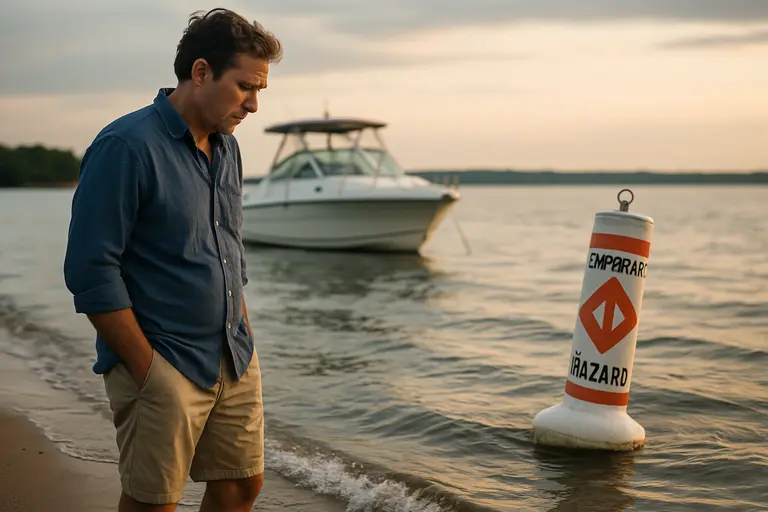
One research example from July 2, 2026, described a Heartland Coast Guard District notice warning mariners about riverbank degradation on a Mississippi River segment and advising slowest speed to reduce wake damage. The specific location may not apply to every boater, but the lesson travels well: speed affects wake, stopping distance, and the time available to react.
When a notice describes a fragile bank, work zone, obstruction, or constrained channel, avoid treating the area like normal open water. Reduced speed can protect your boat, nearby workers, moored vessels, banks, and other waterway users. It can also give the lookout more time to match the notice with what appears ahead.
Know The Limits Of Digital Tools
Digital charts and marine apps can help organize notice data, but they cannot guarantee that every temporary condition appears on your screen in a way that is easy to understand. The safer habit is to read the notice text, compare it with the chart, and keep a mental picture of the risk before departure. If you use a digital route line, do not let it pull you through a reported hazard simply because the old route remains saved.
For boaters seeking knowledge and advice across interconnected resources, Interline Publishing offers additional insights as part of the same network; however, official Coast Guard and NOAA materials should remain the primary sources for decisive navigation on open waters.
Local Notices to Mariners And Temporary Hazards
The safest use of Local Notices to Mariners is practical, calm, and repeatable. Read the district notice, check for urgent broadcast updates, compare the hazard with your intended route, and decide what will change at the helm. That may mean a slower pass, a wider berth, a different departure time, or a decision to stay tied up.
No notice system removes the need for lookout discipline, speed control, and judgment in changing conditions. Still, these notices give boat owners a direct view of official temporary hazard information before it becomes an on-water surprise. Build them into your pre-departure routine, keep the crew informed, and treat every known hazard as something to manage before the boat reaches it.