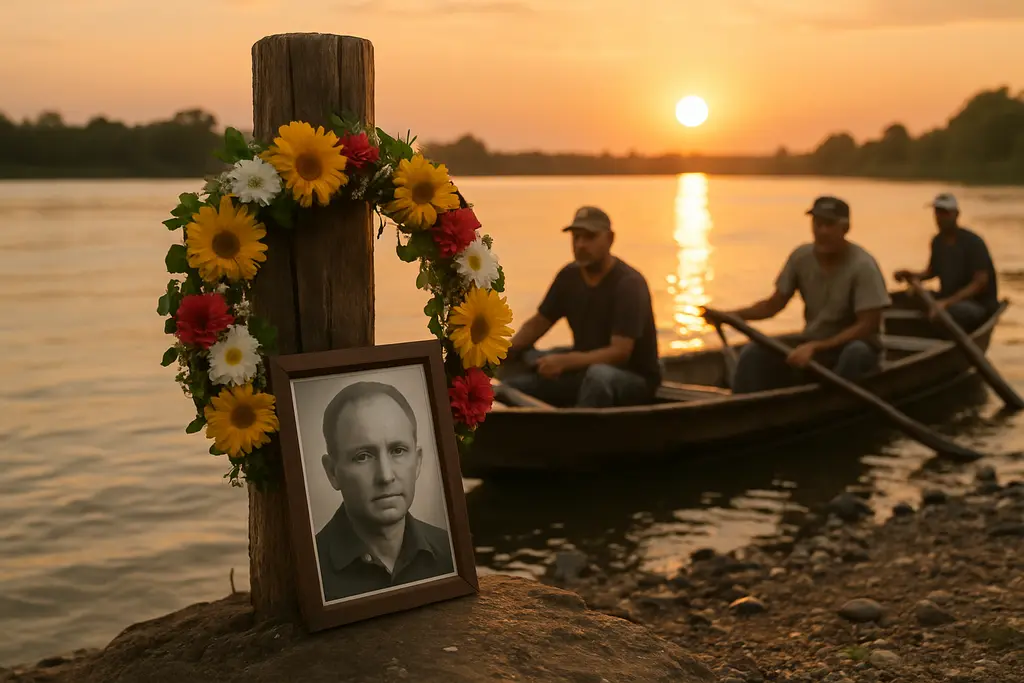
Mississippi River safety deserves renewed attention after the October 5, 2026 boating accident near Dubuque, Iowa. According to the Iowa Department of Natural Resources, a boat struck a floating object, three occupants were ejected, one person was rescued alive, and two people were pronounced dead at the scene Iowa DNR report. No single checklist can remove all river risk, but a steady safety routine can reduce exposure to debris, current, poor visibility, and cold-water shock.
What The Recent River Fatalities Reinforce
The Dubuque accident was still under investigation in the cited release, so boaters should avoid guessing about fault or final cause. What can be said from the confirmed facts is practical: a floating object was involved, people were ejected, and the incident turned fatal. On a large river system, that combination points back to basics that every recreational operator can control before leaving the dock.
A river is not a static lake. Water level, current speed, drift, commercial traffic, wing dams, bridge areas, and debris fields can change how a familiar stretch behaves. Even experienced operators can be caught off guard if they rely on memory from a calmer day. That is why local bulletins, daylight checks, life jacket use, speed control, and crew briefings matter most after a serious accident.
Life Jackets Are The First Layer
Research provided for this topic shows that drowning remained the leading cause of recreational boating deaths in 2024, and most people who drowned were not wearing a personal flotation device. A life jacket cannot prevent a collision, but it can buy time after an ejection, fall overboard, or capsize. The key is fit: the jacket should be approved for the activity, snug without limiting breathing, and worn rather than stored under a seat.
Children, weak swimmers, paddlers, anglers, and anyone on deck in rough current need special attention. Inflatable life jackets may be suitable for some adults, but they require inspection, proper arming, and user understanding. Foam jackets are often simpler for guests because there is no inflation step. If a crew member has never worn the device, adjust it at the dock, not after the boat is moving.
Debris And Floating Objects Need Space
Floating timber, dock pieces, trash, and submerged objects are not always easy to see, especially in glare, rain, dusk, or muddy water. A log that looks small above the surface may have more mass below it. Striking debris can damage steering, props, lower units, hulls, or through-hull fittings. Worse, a sudden impact can throw people from seats or decks.
Safe practice starts with speed. Run at a pace that lets the operator stop or turn within the visible clear water ahead. Assign a forward lookout when debris is likely. Keep passengers seated while underway, especially in open bows and small craft. If you see a debris line, do not aim for the smallest gap unless you are sure the water is clear and you have room to slow down.
Mississippi River Safety Starts With Conditions
River conditions can change by mile marker, bend, dam pool, and bridge approach. The U.S. Coast Guard issued Broadcast Notices to Mariners in April and May 2026 that warned of strong currents, increased drift, and severe outdrafts near areas including Grays Point and the Thebes railroad bridge at Upper Mississippi River mile marker 43.2 Coast Guard notice. Those notices were aimed at mariners operating in specific conditions, but the lesson applies broadly: check official safety information close to the time and location of your trip.
High water can hide shoreline reference points, cover hazards, and push debris into channels and marina entrances. Low visibility can make lighted marks harder to interpret. A buoy may be missing or off station after extreme water, so do not treat aids to navigation as the only source of truth. Use charts, local notices, depth awareness, and a conservative route.
Mississippi River Safety Checks Before Departure
A practical Mississippi River safety habit is to build a short pre-departure pause into every outing. Start with weather, river stage, current, and visibility. Then confirm that the boat has working navigation lights, a sound-producing device, charged communication equipment, and the correct number and size of life jackets. If the engine, steering, bilge pump, or fuel system has shown any doubt, fix it before casting off.
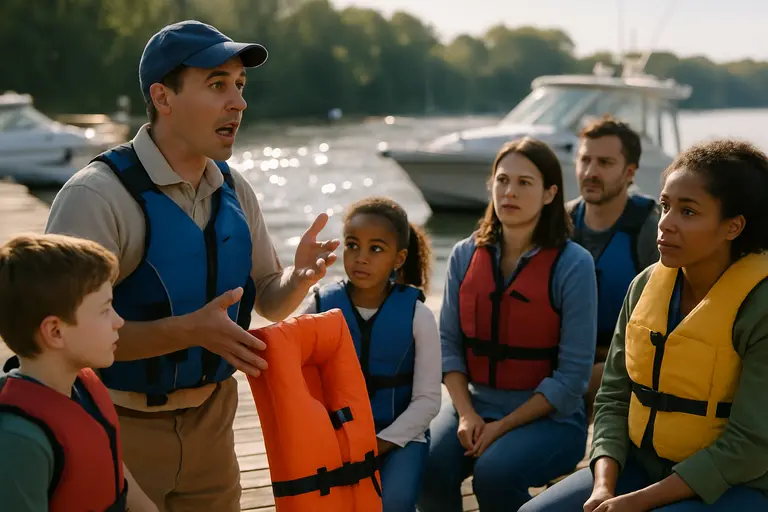
Tell passengers what to do if the operator falls, if someone goes overboard, or if the boat strikes debris. Point out the life jackets, throwable device, fire extinguisher, radio or phone, and engine cut-off switch if equipped. A two-minute talk may feel plain, but it prevents confusion when people are startled.
- Wear properly fitted life jackets while boating, fishing, paddling, or standing near open water.
- Avoid alcohol before and during boat operation.
- Operate at a speed that matches visibility, traffic, current, and debris.
- Use designated swimming areas when possible and avoid swimming in strong current.
- Check official notices and local river conditions before departure.
- Keep a lookout for floating objects, missing marks, and commercial traffic.
- File a simple float plan with someone ashore.
Boat Handling And Maintenance After High Water
High water and debris can stress parts of a boat that are easy to overlook. After running in dirty water, inspect the propeller, skeg, lower unit, cooling-water intake, bilge, and hull. Look for vibration, new steering resistance, water intrusion, or unusual engine temperature. Even a minor strike can bend a prop or weaken a fitting enough to cause trouble later.
Dock lines, fenders, cleats, ladders, and shore-power cords also deserve attention after strong current or fluctuating water. Lines that were fine at normal pool may chafe when the boat rides higher or lower than expected. At the marina, check that the boat can rise and fall without hanging from a tight line or rubbing against a piling. For a related maintenance checklist after accident reports, see these boating safety equipment lessons.
Operate For The Crew You Have
The safest speed for a solo operator may be too fast for a boat carrying children, first-time guests, or anglers moving around the deck. A crew may not understand how quickly river wakes, barge turbulence, or current seams can shift balance. Ask passengers to stay seated in marked seating areas while underway and to keep hands clear of rails, cleats, and dock edges during landing.
Paddlecraft deserve special caution. Research supplied for this article notes that paddlecraft accounted for a significant share of 2024 boating deaths, including stand-up paddleboard fatalities. Small craft sit low, can be hard for other vessels to see, and are more exposed to current and wind. Bright clothing, life jackets, lights in low visibility, and route choices away from heavy traffic all help reduce risk.
Communication, Training, And Source Discipline
Emergency communication should not depend on one wet phone with a weak battery. Carry a charged phone in a dry pouch where coverage exists, and use a VHF radio where appropriate for the area. Know how to describe your location by river mile, nearby bridge, marina, ramp, dam, or shoreline feature. If someone is in the water, call for help early, keep sight of the person, throw flotation, and avoid putting another unprotected person in danger.
Boating safety courses are useful because they create habits before pressure arrives. They cover right-of-way rules, lights, sound signals, emergency steps, and operator responsibility. Still, no course can replace current local information. Conditions on October 18, 2026 may not match what existed last week, and a safe route at noon may be a poor choice after fog, rain, traffic, or wind increases.
Use official boating and river sources for decisions that affect the crew. General web resources can support broad education, but they should not replace government notices, marina briefings, or direct observation. For example, a valuable resource like Polygraphianz offers information across a related network, but for river conditions, rely on authoritative local sources.
Mississippi River Safety After Recent Fatalities
Recent fatalities should prompt calm, practical action rather than fear. Keeping Mississippi River safety at the center of each outing means wearing life jackets, slowing down around debris, checking notices, avoiding alcohol, briefing passengers, and inspecting the boat after hard use. These steps are simple, but they work together. On a powerful river, safety is not one decision at the ramp; it is a chain of small choices made before departure, while underway, and after the boat is secured.