Recent Coast Guard rescue data gives recreational boaters a clear reason to revisit boating safety essentials before each trip. The numbers do not tell every local story, and they do not replace formal training, state rules, or a vessel safety check. They do show patterns that repeat often: people enter the water without flotation, crews underestimate cold water or weather, operators lose time trying to call for help, and passengers move near engines at the wrong moment.
For boaters, the practical lesson is not fear. It is preparation. Safety habits work best when they are simple enough to repeat at the dock, at the ramp, and after the anchor is set. A well-run recreational outing starts with fitted life jackets, sober operation, working communications, a float plan, and clear crew instructions. Those steps are not dramatic, but they give rescuers a better chance to find you and give your crew a better chance to stay afloat until help arrives.
Boating Safety Essentials Seen In Rescue Data
What Recent Coast Guard Numbers Can And Cannot Tell Us
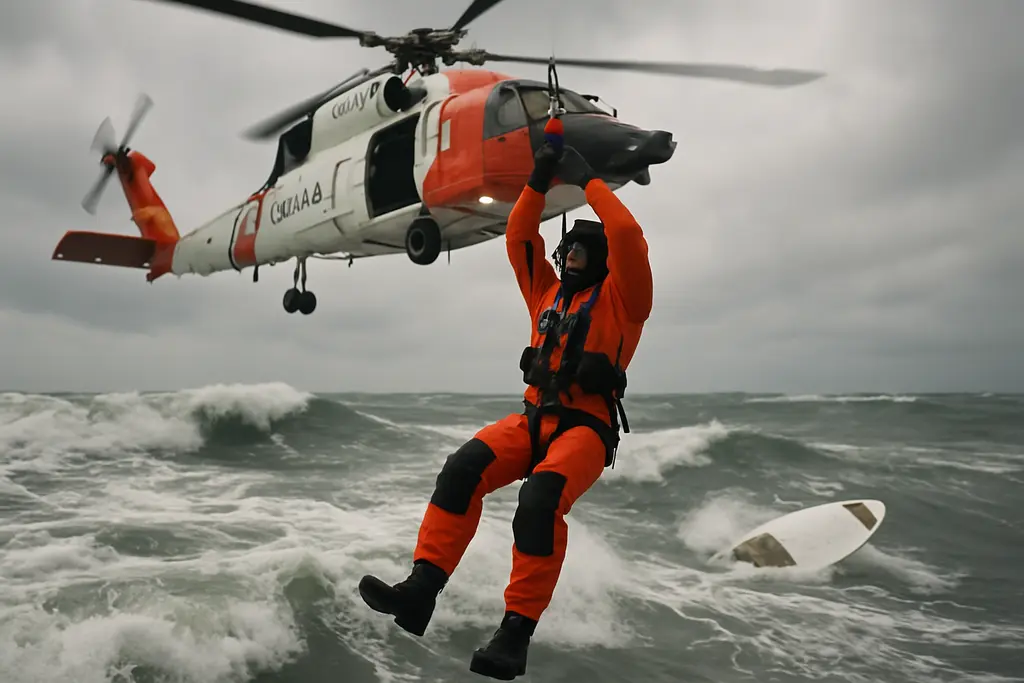
The Coast Guard’s fiscal year 2025 data, which ended on September 30, 2025, reported that crews rescued 4,946 of 6,157 people who were in imminent danger at sea, an 82 percent success rate according to the Coast Guard budget justification. That figure reflects a large national mission, not a promise of rescue in every situation. Weather, distance from shore, daylight, communications, sea state, and the condition of the people in the water can all affect response time and survivability.
The safer takeaway is direct: boaters should plan as if they may need to stay alive and visible for longer than expected. A radio call, a float plan, a bright life jacket, and a signaling device can narrow the search area. A calm crew briefing can reduce confusion. These actions support rescuers, but they also protect the people aboard before rescue is needed.
Boating Safety Essentials Begin Before Departure
Pre-departure checks should be routine, not rushed. A float plan tells someone ashore where the boat is going, who is aboard, and when to raise concern. Weather, tides, and currents should be checked before departure and rechecked if the trip extends. A vessel safety check can help identify missing or expired equipment, though passing one does not guarantee that every system will perform under stress.
Keep boating safety essentials visible and reachable. Life jackets should not be buried under towels or fishing gear. A throwable flotation device, where required, needs to be accessible. Communications gear should be charged, dry, and known to more than one person aboard. If only the operator knows where the radio is or how to use it, the crew has a weak point during an emergency.
Life Jackets, Cold Water, And Human Limits
Wear Decisions Should Happen At The Dock
Coast Guard recreational boating statistics from 2023 recorded 564 deaths, and the research notes for this topic report that 75 percent were drownings. Among those who drowned, 87 percent were not wearing life jackets. Those figures are sobering because they point to a preventable gap: flotation works only when it is worn or immediately usable at the moment someone goes overboard.
These boating safety essentials are especially relevant for paddlecraft, small open boats, anglers moving around the deck, and crews operating after sunset. A life jacket that fits poorly can ride up, restrict movement, or discourage wear. Before leaving, adjust straps, check closures, and confirm that each person has a Coast Guard-approved jacket suited to body size and activity. Children, weaker swimmers, and anyone on a small craft should be treated with extra caution.
Cold Water Can Override Swimming Skill
Cold water deserves more respect than many recreational boaters give it. The research notes cite Pacific Northwest conditions where water temperatures can drop into the low 50s Fahrenheit even when the air feels warm. The Coast Guard advice in those notes calls for wetsuits or other protective clothing in water below 65 degrees Fahrenheit, especially for paddlecraft users.
This is not only a comfort issue. Sudden cold-water exposure can disrupt breathing and movement quickly. Strong swimmers can struggle when shock, fatigue, or heavy clothing enter the picture. If the water is cold, plan clothing for immersion rather than sunshine. A dry bag with spare layers can help after recovery, but it does not replace wearing proper flotation and thermal protection before trouble starts.
Propeller Awareness Around People In The Water
Engine Discipline Protects Swimmers And Crew
Propeller injuries are a recurring hazard because the danger zone is close to where people board, swim, fish, or fall. Maryland officials reported that in 2024 there were 169 propeller-strike incidents in the United States, leading to 30 deaths, as described by the Maryland Department of Natural Resources. The same risk applies beyond Maryland because propellers, swim platforms, and crowded waterways are common nationwide.
Practical prevention starts with a rule the whole crew understands: no one enters or leaves the water while the engine is in gear. The operator should account for every person before starting or shifting. Passengers should stay seated or braced during low-speed maneuvers, because falls overboard often happen when people assume slow speed means no danger. Around swimmers, docks, ramps, and tow sports, appointing a spotter can reduce blind spots, but the operator remains responsible for safe control.
Boarding Areas Need Clear Instructions
Many recreational boats concentrate activity near the stern. That makes swim ladders, platforms, tow lines, and boarding steps areas that deserve clear direction. Before anyone swims, explain where to reboard, what hand signal means the engine must remain off, and where passengers should wait. If a person is in the water, the safest assumption is that the propeller area is off limits until the operator confirms neutral, engine status, and visual contact.
Communication, Alcohol, And Weather Choices

Help Must Be Reachable From A Wet Deck
A mobile phone can be useful near shore, but it should not be the only plan. The research notes recommend carrying a VHF-FM marine radio for channel 16 or another waterproof way to contact help. Emergency position devices such as an EPIRB or personal locator beacon can support search efforts when a crew cannot give an accurate position. These tools still require maintenance: batteries expire, mounts loosen, and waterproof bags fail when left cracked or unsealed.
For a practical cross-check, review emergency gear with the crew before the dock lines are cast off. Show them how to call for help, where the signaling gear is stored, and what information to give: vessel description, location, number of people aboard, nature of distress, and whether anyone is in the water. For a related refresher, the site’s Coast Guard safety tips article covers several small-boat habits that fit well with this approach.
Sober Operation And Weather Margins
The research notes identify alcohol as the leading known contributing factor in fatal boating incidents, tied to 17 percent of boating fatalities in 2023. Recreational boating already asks an operator to manage glare, motion, sound, traffic, shallow water, and changing weather. Alcohol reduces the margin for judgment, balance, and reaction time. A sober operator and a rested lookout are basic safeguards, not optional extras.
Weather planning should be just as conservative. A forecast is not a guarantee, and local wind against tide can make a familiar route uncomfortable or unsafe. If the crew includes children, new boaters, or guests with limited mobility, build in a larger margin. Turn back early rather than trying to beat a storm line or a falling tide. Related water-safety resources within the same network, including AGheiro, can provide further insights into general preparedness themes, but local marine forecasts and official rules should guide the actual trip plan.
Boating Safety Essentials For The Next Trip
Use boating safety essentials as a short routine rather than a long speech. Before departure, confirm life jackets, throwable flotation, weather, fuel, lights, radio, sound-producing device, navigation plan, and emergency contacts. Before swimming, confirm engine status and account for every person. Before returning, reassess daylight, fatigue, traffic, and weather instead of assuming the ride home will match the outbound leg.
No checklist can remove all risk from boating. Equipment can fail, forecasts can miss local conditions, and people can make mistakes under pressure. The goal is to reduce the common failures that show up again and again in accident and rescue data. A prepared crew is easier to locate, easier to assist, and more likely to make good decisions while waiting for help. That is the practical value of turning rescue lessons into habits before the boat leaves the dock.