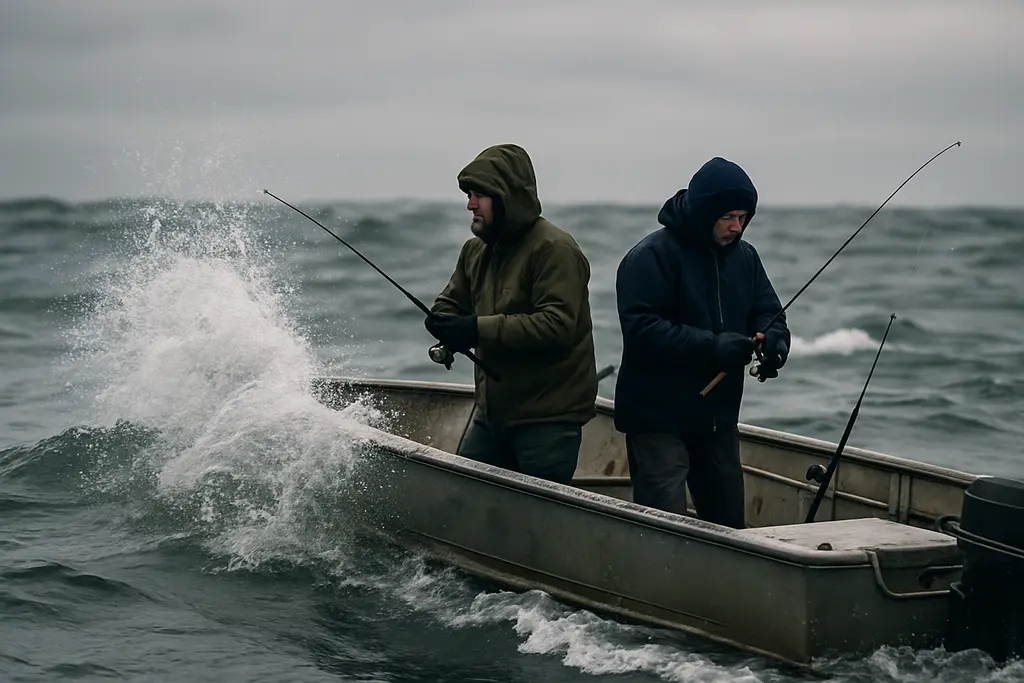
Late season boating on the Great Lakes can still offer rewarding time on the water, but the safety margin narrows as air temperatures drop, daylight shortens, and wind shifts become less forgiving. A safe plan should treat cold water, fast-changing weather, and equipment readiness as linked risks rather than separate chores. No checklist can remove all danger, and forecasts can change after departure, so the safest choice may be to shorten the trip, stay near a protected harbor, or postpone the outing.
Late Season Boating Hazards On The Great Lakes
Late Season Boating Risk Signals
The most useful starting point is to respect what recent data shows. In 2024, the U.S. Coast Guard recorded 556 recreational boating fatalities nationwide, a slight decrease from 564 in 2023. The same report listed 119 reported Great Lakes incidents, excluding tributaries, under weather and water condition categories, with 23 deaths and 58 injuries 2024 Recreational Boating Statistics. Those numbers do not predict what will happen on any single trip, but they do show why weather and water conditions deserve a conservative plan.
Great Lakes conditions can shift faster than many recreational crews expect. Late in the season, the water can remain warmer than the air, and that difference can support stronger surface winds and rougher wave action. A route that felt comfortable in July may feel exposed in October if a front passes, a lake breeze strengthens, or visibility drops near shore. Build a plan that allows an early return without shame or delay.
Alcohol And Judgment On Cold Water
The same 2024 Coast Guard report attributed 92 deaths, or 20% of recorded boating fatalities, to alcohol use as a known contributing factor. That makes sober operation especially relevant during late season boating, because colder water gives the crew less room to recover from a bad decision. Assign a sober operator, keep watchstanders alert, and avoid any plan that depends on a tired crew handling rougher water after dark.
Cold Water Protection Before Departure
Fit Life Jackets Before Casting Off
Cold water changes the risk picture immediately. The National Weather Service warns that water in the 50–60°F range can trigger cold shock, including involuntary gasping and hyperventilation, which can increase drowning risk even for strong swimmers cold water safety guidance. A life jacket that is still in a locker is not helping during that first minute. Each person should wear a properly fitted life jacket before leaving the dock, especially on small boats, open cockpits, or trips where the crew may need to move forward on deck.
Fit matters. A jacket that rides up under the chin, has broken buckles, or is the wrong size can make recovery harder. Before departure, have every passenger zip, buckle, and adjust the jacket while standing on the dock. Children, guests, and occasional riders should not be left to guess. If a guest refuses to wear one in cold conditions, the trip plan should change.
Dress For Immersion Risk
Air temperature can mislead boaters during late season boating. A sunny afternoon at the marina can feel comfortable while the water remains cold enough to disable a person quickly. Dress with the water in mind, not only the dockside weather. Keep dry layers available, protect hands, and pack spare clothing in a dry bag. The goal is not comfort alone; it is to preserve movement and clear thinking if spray, rain, or an unexpected fall overboard occurs.
Brief the crew on simple recovery actions before the boat leaves. Identify the ladder, throw line, engine shutoff procedure, and who will make the radio call. A short dockside talk may feel repetitive, but it prevents confusion during the first moments of an emergency, when cold shock and panic can make clear communication difficult.
Boat And Dock Checks For Shorter Days
Bilge Pumps, Cooling, And Visibility
Late-season preparation should include the boat as well as the crew. Before leaving, check bilge pumps, engine cooling systems, and windshield or visibility equipment. These are not cosmetic items. A bilge pump that fails, a cooling problem that limits engine power, or poor visibility through spray and moisture can turn a manageable weather change into a serious incident.
Start with systems that affect whether the boat can keep water out, keep power available, and keep the operator’s view clear. Test the bilge pump rather than assuming it works. Look for obvious cooling-water flow after starting the engine, following the manufacturer’s normal operating guidance for your boat. Clean the windshield, confirm wipers if fitted, and make sure navigation lights work before dusk. If the boat has been used all summer, this is also a good time to look for loose gear, chafed lines, and items that could slide during rougher wave action.
- Wear a properly fitted life jacket before departure, not after conditions worsen.
- Check current weather and water conditions shortly before leaving the dock.
- Test bilge pumps, lights, radio equipment, and visibility equipment.
- Carry a VHF radio, and consider a PLB or EPIRB for added emergency signaling.
- File a float plan with someone ashore, including route, people aboard, and return time.
- Plan an earlier return so the crew is not forced into colder darkness.
Dockside Limits And Go-No-Go Choices
A practical marina rule is to decide limits before the crew gets excited about leaving. Set maximum wind, wave, visibility, and temperature conditions that fit the boat, operator, and passengers. If the actual conditions exceed those limits, stay tied up. This is not wasted time; dockside inspection, cleaning, and winter-prep planning still support safer boating.
For owners who want a broader maintenance routine, this related discussion of boat maintenance safety checks connects pre-trip inspection habits with accident prevention. Keep the standard simple: if a system is needed to keep the boat afloat, powered, visible, or in communication, it should be checked before the trip.
Weather, Route, And Communication Planning
Use Forecasts And A Float Plan
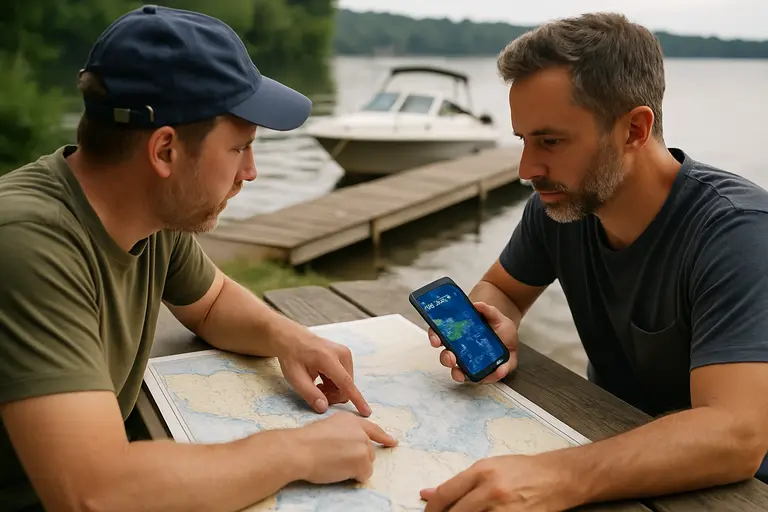
Late season boating demands more frequent weather checks than a casual summer outing. Review the latest forecast before departure, then keep watching for changes while underway. Pay attention to wind direction, wave height, visibility, and any sign of a rapid temperature drop. A float plan should tell a shore contact where you are going, who is aboard, what boat you are using, and when to call for help if you do not return.
Choose a route with escape options. Staying closer to shore or near safe anchorages can reduce exposure if waves build or visibility drops. That does not make the trip risk-free, and shorelines can have their own hazards, but it gives the operator more choices. For Great Lakes crews planning around observations and warnings, a focused guide to Great Lakes weather checks can help organize the pre-departure review.
Carry More Than A Phone
A mobile phone is useful, but it should not be the only emergency tool aboard. Carry a VHF radio for marine communication, and consider an emergency position indicating radio beacon or personal locator beacon where the trip plan and conditions justify it. Make sure the crew knows where the radio is, how to turn it on, and which person will handle communications if the operator is busy controlling the boat.
While preparing for a trip, it’s useful to have access to broader, community-related information. A related network site such as Bethel NC UMC may provide valuable resources, but always prioritize marine-specific data for safety decisions.
Late Season Boating On The Great Lakes
The safest late-season plan is conservative, repeatable, and easy for guests to understand. Put life jackets on early, treat cold water as the main hazard, keep alcohol away from operation, test essential boat systems, and give someone ashore a clear float plan. If the lake looks worse than expected, return early or do not leave. Late season boating can be done with care, but the Great Lakes reward crews who respect cold water, changing weather, and the limits of their vessel.