Boat Fire Safety Lessons From Offshore Fires
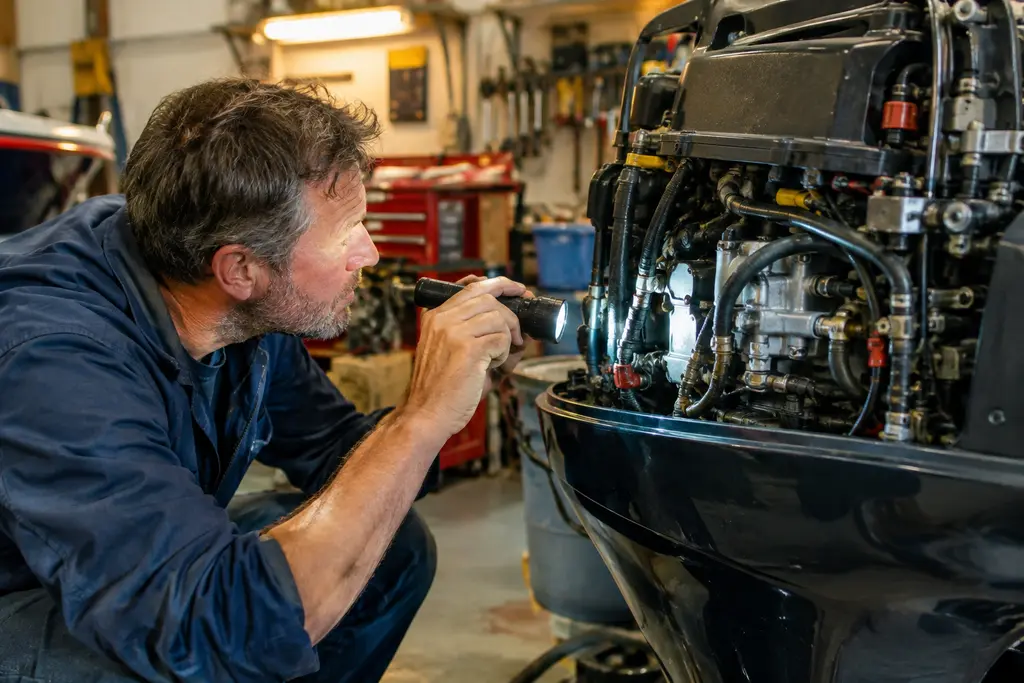
Boat fire safety starts with maintenance discipline, fuel checks, ventilation control, alarms, and crew drills after recent offshore incidents.
Boat fire safety starts with maintenance discipline, fuel checks, ventilation control, alarms, and crew drills after recent offshore incidents.
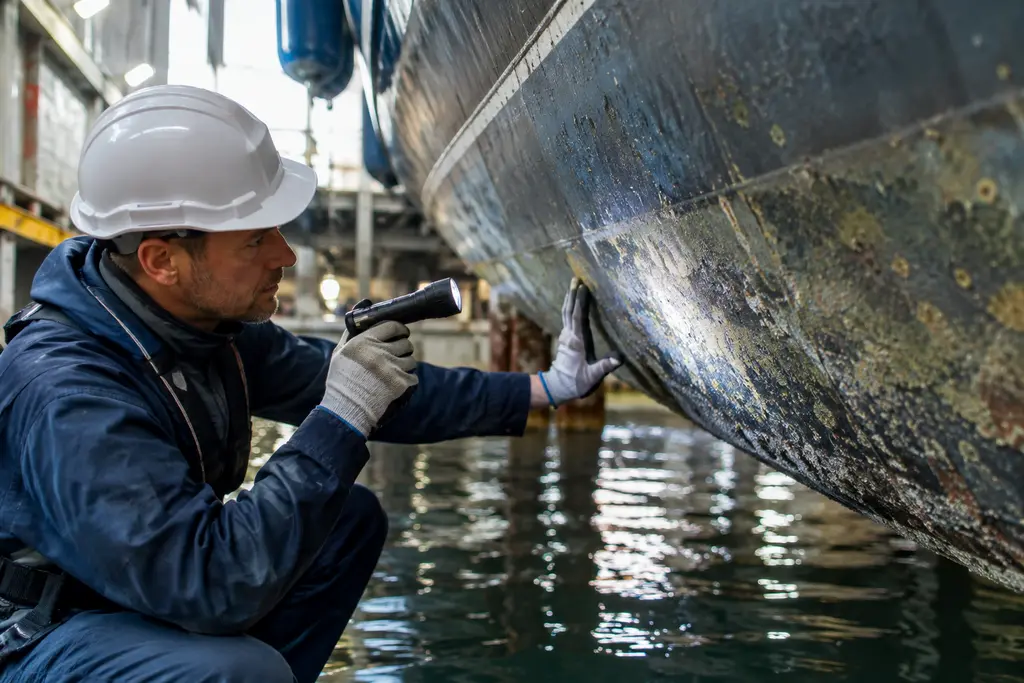
Steel hull checks now sit under updated USCG guidance; use practical inspection habits to spot corrosion, pitting, and repair needs early.
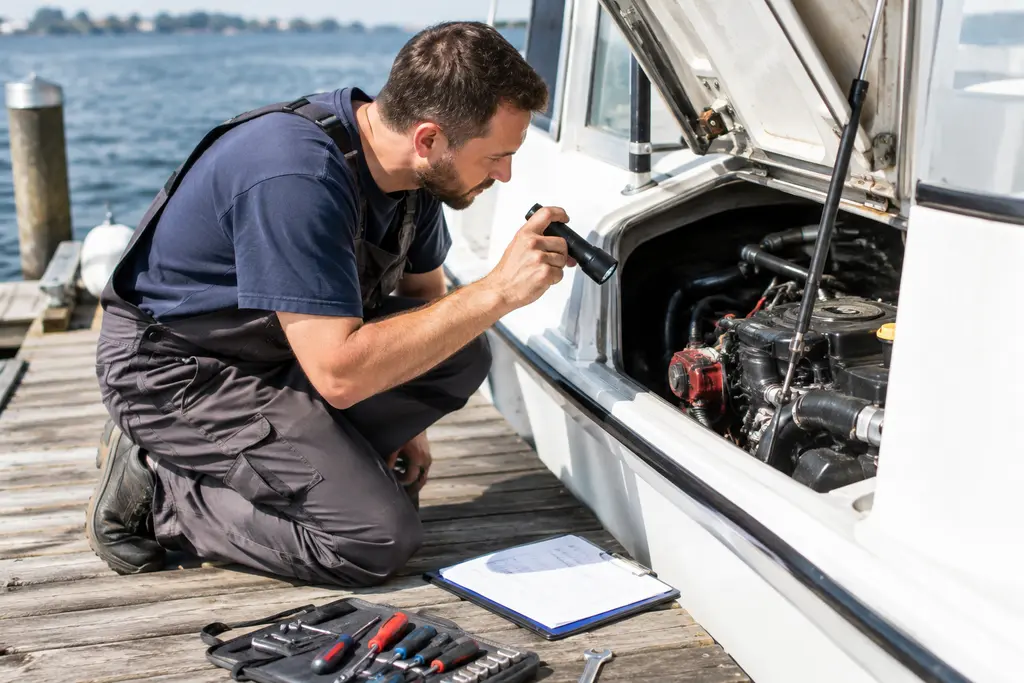
Use boat recalls to check hull numbers, model years, dealer records, and repair proof before maintenance or departure planning.
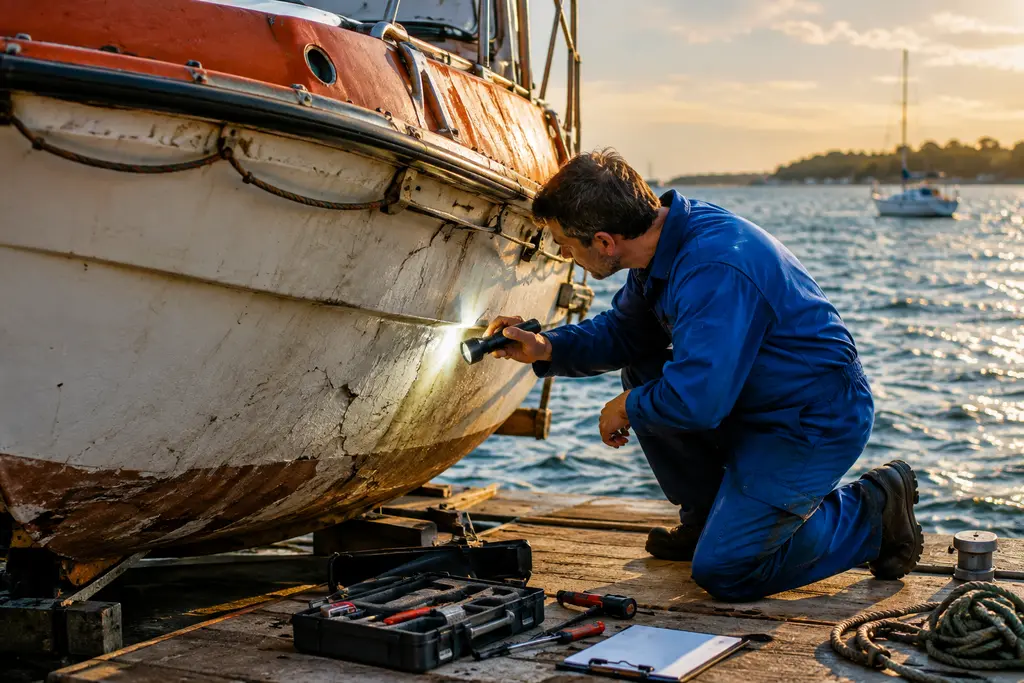
Aging fiberglass lifeboats need focused checks at hooks, plates, cables, air systems, and launch gear after recent USCG alerts.
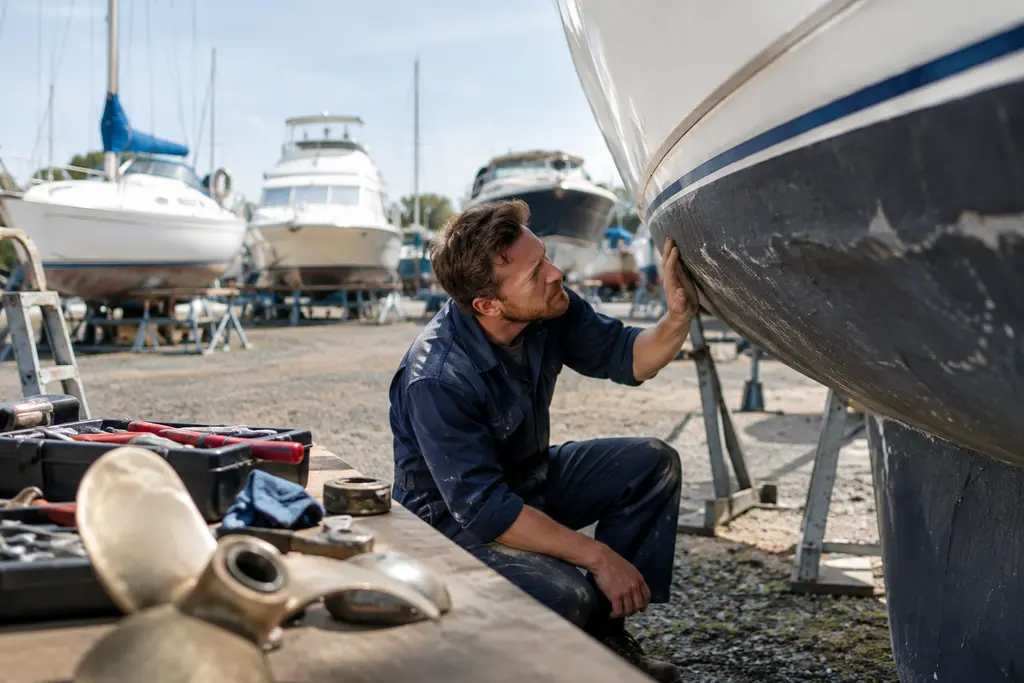
ECOS Maintenance helps owners inspect cut-off switches, carry spare links, keep records, and brief crews for safer compliant operation.

Use vessel weather maintenance checks to secure bilges, lines, batteries, and weather alerts before wind, rain, cold, or storms affect your trip.
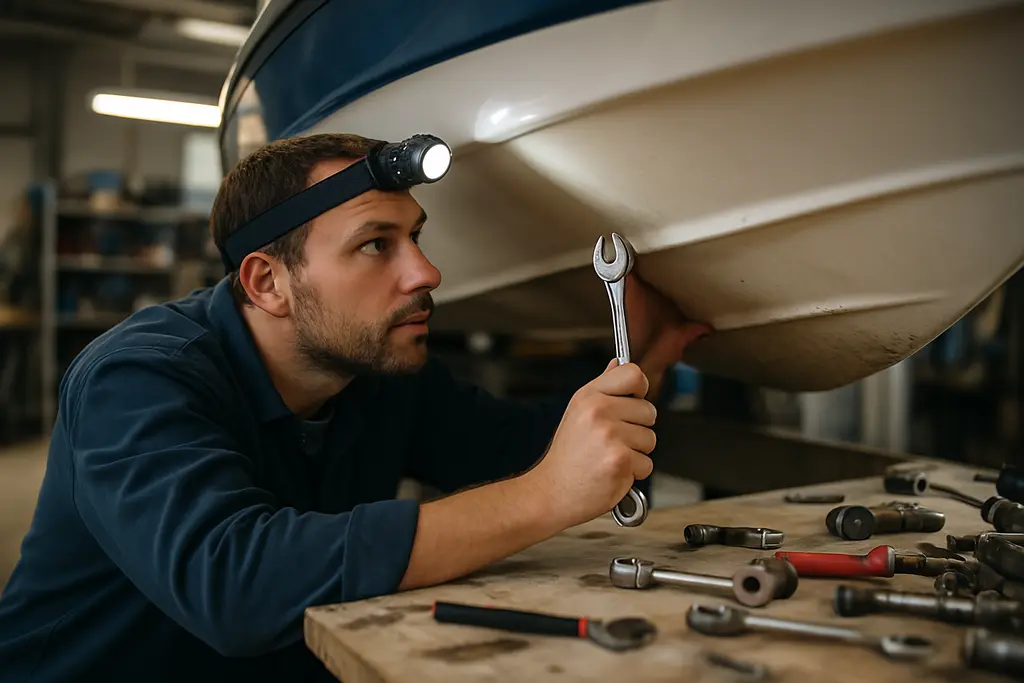
Vessel Preparation steps help you check machinery, fuel spaces, batteries, stability, safety gear, and crew habits before launch.

Aging Lifeboat Inspections help crews find fiberglass deterioration, release-gear wear, cable damage, and launch-system defects early.
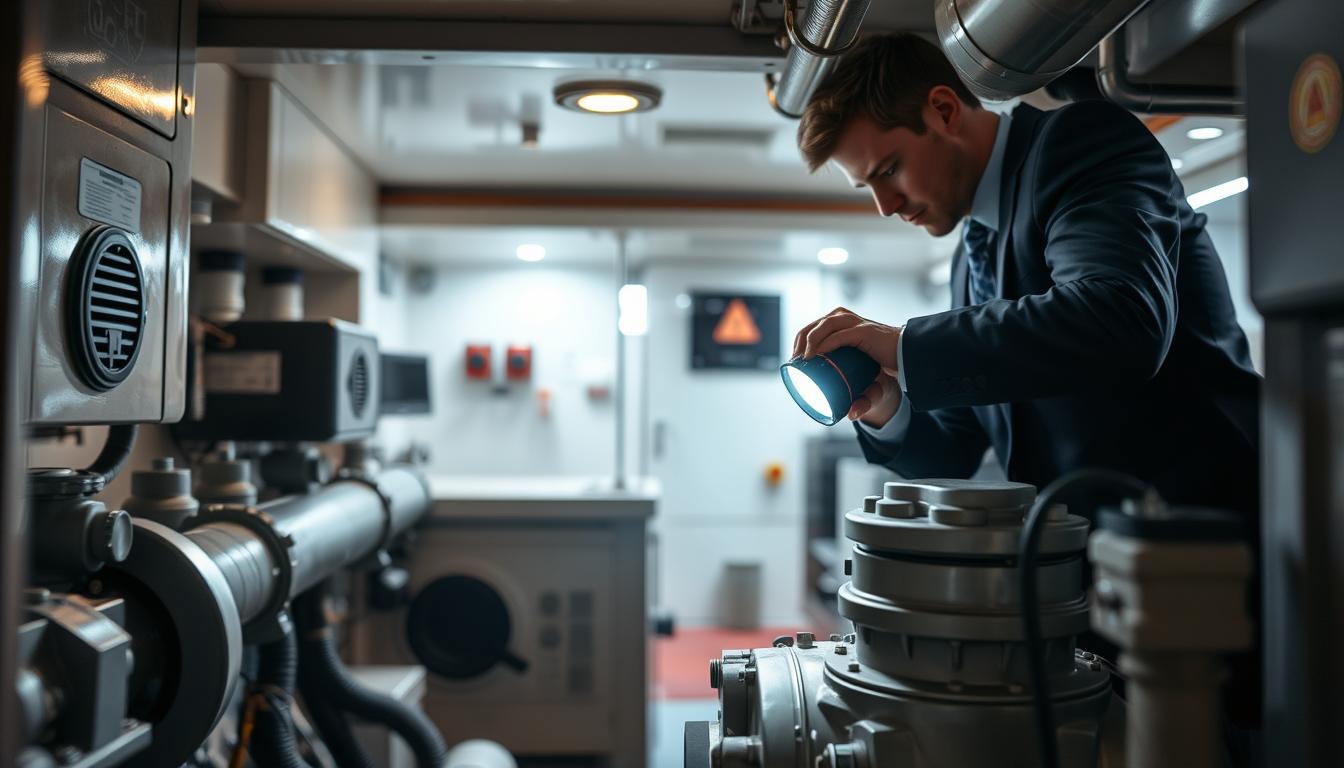
Every boat owner knows that keeping water out of the hull is key for safety. A dry boat is stable and reliable. This makes managing fluids essential for a successful trip. This safety device fights against sinking by removing unwanted water from the lowest parts. It’s your first line of defense. Checking your bilge pump … Read moreBilge System Care: Ensuring a Dry and Safe Voyage

Use boat recall checks to confirm hull, engine, and gear notices before maintenance, sale review, or departure planning.