Preparing for marine event safety is not only a job for race organizers, parade sponsors, or patrol crews. Recreational boaters who plan to be near a regatta, fireworks fleet, raft-up, parade, or large spectator area also need a clear plan before leaving the dock. Busy waterways change the normal rhythm of a boating day: traffic patterns tighten, wakes come from more angles, radio traffic increases, and a simple return route can become crowded. A careful crew treats the event area as a higher-risk operating zone, even if the boat is only passing nearby.
Recent national data supports that cautious approach. In 2024, U.S. recreational boating incidents rose from 3,844 in 2023 to 3,887, while fatalities fell to 556 and injuries rose to 2,170. Alcohol was involved in 92 deaths, or 20% of all boating fatalities, and about 70% of boating deaths occurred on vessels whose operators had not received boating safety instruction, according to the 2024 boating statistics. Those numbers do not mean every event is unsafe, but they do show why sober operation, training, life jacket use, and trip planning matter most when waterways are packed.
Marine Event Safety Starts Before Casting Off
Marine Event Safety Checks For The Crew
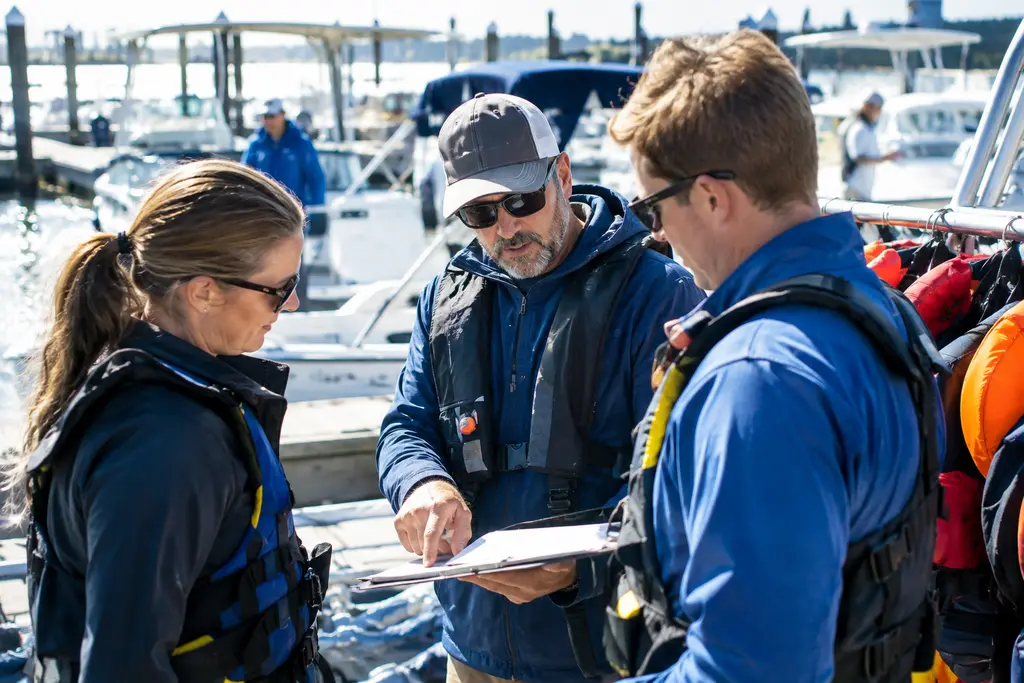
A good pre-departure talk should be short, specific, and understood by every person aboard. Identify who will assist with lines, who will watch for traffic, who can use the VHF radio if directed, and where life jackets, fire extinguishers, sound signals, and first-aid supplies are stored. Do not assume guests know how to move safely on a wet deck or how quickly a wake can shift balance. Event days are poor times for casual guessing.
A practical marine event safety plan should also include a sober operator, a backup way to communicate, and a written float plan left with someone ashore. The float plan does not need to be fancy. It should state the departure point, expected area, passengers, boat description, and expected return time. If plans change because a channel closes, weather shifts, or the crew decides to leave early, update the shore contact as soon as it is safe to do so.
Equipment That Deserves A Second Look
Before entering a crowded area, check the gear that reduces confusion and buys time. Life jackets should be wearable, accessible, and matched to the people on board. Navigation lights should work if there is any chance of returning near dusk or after dark. The horn or whistle should be ready, dock lines should be kept clear, and anchors should be rigged so they can be set without delay if propulsion fails or traffic forces a wait.
Maintenance also matters. Fuel levels, battery condition, cooling water flow, bilge pump operation, steering response, and throttle control should be checked before the boat joins heavy traffic. Small faults that might be manageable on a quiet morning can become serious when the vessel is surrounded by spectators, patrol craft, and restricted zones.
Local Rules And Permit Signals
What Organized Events Can Change
Organized marine events can create temporary course areas, spectator zones, speed restrictions, patrol patterns, and access limits. Federal permitting rules apply to events that may obstruct channels, draw spectator traffic, or introduce unusual hazards. Event sponsors may need to provide boundaries, safety plans, patrol boats, observers, and coordination with law enforcement or first responders. Recreational boaters do not need to manage those filings, but they do need to read notices, signs, and patrol instructions before entering the area.
State rules can add another layer. Maryland, for example, requires a marine gathering permit for gatherings involving 100 or more vessels, lasting three or more hours, or creating extra or unusual hazards on state waters. The state says applications should be submitted 45 days prior, and non-compliant gatherings may be disbanded, as described by Maryland’s marine gathering guidance. Requirements vary by location, so boaters should check the agency responsible for the specific waterway rather than relying on secondhand dock talk.
How To Read Local Signals
On event days, do not treat patrol boats as background traffic. Their position may mark a boundary, a closing, or a safer lane around the activity. If a patrol crew gives an instruction, slow down, keep the message simple, and comply unless doing so would create immediate danger. If unsure, hold outside the congested area until the picture is clear.
VHF radio traffic can also reveal changes before they are obvious from the helm. Keep the radio volume high enough to hear safety calls, but avoid unnecessary transmissions. In a busy area, short and calm communication helps everyone. A chartplotter or chart app can help confirm channels and marks, but it should not replace a visual lookout.
Resources To Use Before Crowded Days
Marinas, Safety Classes, And Vessel Checks
Local marinas and service directories are useful because they connect boaters with practical help before a crowded event. Ask about recent fuel dock hours, pumpout access, local shoaling concerns, launch ramp pressure, transient dock policies, and repair contacts. A marina office may also know whether event traffic commonly blocks a fairway or whether a safer waiting area is used by local skippers.
Safety education should be treated as part of event preparation, not as a box checked years ago. The national data showing that many deaths involved operators without boating safety instruction is a reminder to refresh skills before the boat is placed in dense traffic. Local classes, vessel safety checks, and marina briefings can help crews review basics such as life jacket fit, lookout duties, speed control, and distress communication. For nearby planning ideas, this site’s Chicago event safety reminders show how location-specific rules and waterway habits can shape a safer day.
Directories Without Overreliance
Directories are helpful starting points, but they are not a substitute for official notices, current weather, or the judgment of a trained operator. Keep a small contact list that includes the marina, towing provider if applicable, local non-emergency marine unit if published, and the event organizer only when that contact is made public. Exploring a related network site like Alliance Recruitment might offer insights into broader directory-style organization, but boating decisions should always come from marine-specific sources and local authorities.
- Confirm the event location, timing, and any restricted areas before leaving the slip.
- Check weather, tides or river conditions, and daylight limits for the full return trip.
- Assign a dedicated lookout when near spectator fleets or course boundaries.
- Keep alcohol away from the helm and avoid pressure to stay longer than planned.
- Wear life jackets when traffic, weather, darkness, or crew experience raises the risk.
On-Water Choices Around Spectator Traffic
Speed, Spacing, And Wake Awareness
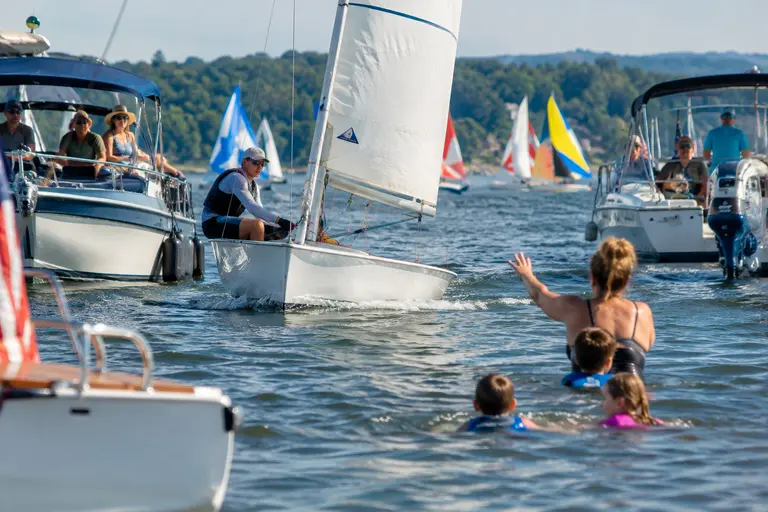
Once the boat is near the event area, slow planning beats quick reactions. Keep enough space to stop, turn, or let another vessel pass without forcing a close-quarters decision. Watch for paddlers, small inflatables, anchored boats, and passengers sitting on bows or swim platforms. Wakes can travel well beyond the boat that made them, so speed control should account for anchored spectators and smaller craft on both sides of the route.
Do not cut through a fleet simply because the chart shows open water. Boats at rest may have swimmers nearby, anchors set at different angles, or limited maneuvering room. If the safest choice is to wait outside the gathering until traffic thins, that is a sound seamanship decision. A few extra minutes are far easier to manage than a close pass, fouled line, or avoidable collision.
Weather And Exit Planning
Event crowds can make weather exits slower. A squall, rising wind, lightning risk, or sudden visibility problem may send many boats toward the same marina, ramp, or channel at once. Before settling in to watch, identify at least two practical exit routes if the waterway allows it. If there is only one safe route, leave extra time and avoid being the last boat waiting for the same opening.
Guests should know that the operator may end the outing early for safety. That expectation reduces conflict when the right call is to head in before the main activity ends. It also helps prevent rushed docking in a crowded basin, where fatigue and distraction often show up after the most exciting part of the day has passed.
Marine Event Safety For Safer Local Trips
Marine event safety is a set of ordinary boating habits applied with extra care: sober operation, proper life jacket use, clear crew roles, reliable equipment, local rule checks, and patience in traffic. The risks are not mysterious, but they become less forgiving when many boats share the same water for the same attraction.
The safest crews make decisions early. They verify local requirements, prepare the boat, brief passengers, and accept that plans may change. They use marina resources and service directories for local knowledge, but they confirm restrictions and hazards through official channels whenever possible. That balanced approach helps recreational boaters enjoy marine events while keeping the vessel, crew, and nearby water users safer.