Off-Season Boating Safety is not a storage-season afterthought. After Labor Day, many waterways grow quieter, daylight shortens, water temperatures trend lower in many regions, and fewer nearby boats may be available to notice a problem. The U.S. Coast Guard’s recent enforcement record also shows that safety work did not stop with summer. For recreational captains, that means the safest trips are planned with the same care used during peak season, with extra attention to weather, life jackets, machinery, and passenger accountability.
As a meteorologist and boating safety advocate, I treat the off-season as a time when small mistakes can carry larger consequences. A mild afternoon at the dock can still give way to changing wind, cold spray, poor visibility, or an engine issue after sunset. National statistics cannot predict the risk on a single bay, river, or lake, but they do point toward repeat problems: drowning, lack of safety instruction, propeller injuries, and preventable decisions before departure.
Coast Guard Push And Off-Season Boating Safety
Off-Season Boating Safety After Labor Day
On September 10, 2026, the U.S. Coast Guard East District carried out 114 safety boardings and terminated seven voyages, including two illegal passenger-for-hire operations, as part of Operation Safe Voyage. The Coast Guard described the effort as continuing year-round beyond the traditional end of summer boating, and reported that since 2021 the operation had produced more than 414 enforcement actions across the United States, with nearly $10.6 million in proposed civil penalties against unlawful operators Coast Guard enforcement update.
For private boaters, the main lesson is practical rather than punitive. Crews should expect that equipment, passenger loads, operator readiness, and charter status may still receive attention after the busy summer period. Off-Season Boating Safety starts before anyone steps aboard: confirm that the vessel is suited to the planned waterway, review the route, and make sure every passenger understands where safety gear is stored.
What Enforcement Signals For Recreational Crews
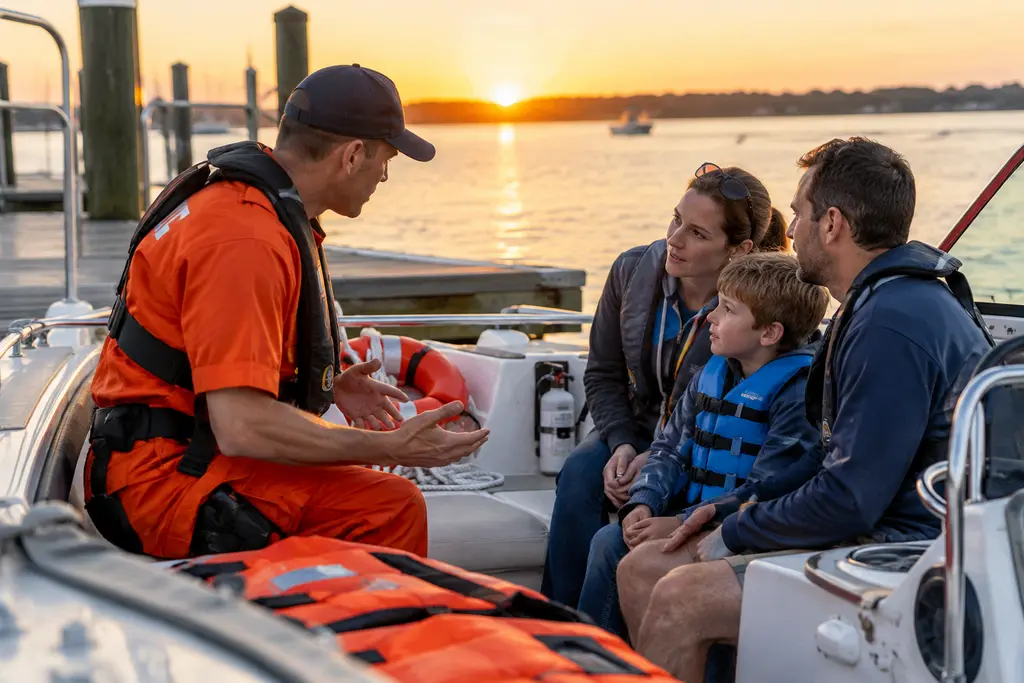
Safety boardings can feel routine when everything is in order, but they become trip-ending events when basic readiness is missing. A terminated voyage is more than an inconvenience; it usually reflects a safety concern serious enough to stop the trip. Recreational crews should use that standard as a pre-departure filter. If a missing life jacket, uncertain fuel level, questionable bilge pump, or overloaded deck would be hard to explain at a boarding, it should be corrected before leaving the slip.
Passenger-for-hire trips deserve special caution. If friends, family, or guests are paying for a ride, the safety expectations are not the same as a casual outing. Without offering legal advice, the safe approach is to avoid any arrangement that feels unclear. Passengers should know who is responsible for the vessel, what safety gear is aboard, and how the trip will be adjusted if weather worsens. For related seasonal planning habits, crews can compare their own routine with these end-of-season boating checks.
Cold-Weather Trip Planning And Vessel Readiness
Shorter Daylight And Weather Windows
Off-season trips call for conservative timing. Leave earlier, shorten the route, and set a firm return time that accounts for sunset. Weather limits should be decided before departure, not while underway. If wind, visibility, sea state, or cold spray rises beyond the crew’s comfort and skill, the safer choice is to turn back or wait at a protected location. Forecasts have limits, especially near fronts, in narrow waterways, and around terrain that changes wind direction. Use official marine forecasts and local observations, then leave room for error.
Float plans also matter more when traffic thins out. Tell a reliable person where the boat is leaving from, the intended route, who is aboard, and when to raise concern. Keep the plan plain enough that someone ashore can act on it. Clear written instructions reduce confusion; related communication resources from Interline Publishing reflect the same principle of plain, usable information.
Maintenance Checks Before Leaving The Slip
A boat that ran well in August can still have off-season weak points. Batteries may lose capacity in colder conditions. Fuel systems can suffer from stale fuel or water contamination. Hoses, clamps, belts, navigation lights, and bilge pumps should be checked before a short trip, not after a warning buzzer sounds. Off-Season Boating Safety depends on treating a two-hour outing with the same respect as a full-day run, because breakdowns are harder to tolerate in cold water and fading light.
- Wear properly fitted life jackets before departure, especially on small boats and open decks.
- Check navigation lights, anchor light, horn or sound signal, and handheld communication gear.
- Inspect bilge pumps, battery charge, fuel level, steering response, and engine cooling discharge.
- Secure loose gear so it cannot slide, block drains, or create a tripping hazard.
- Review propeller safety: engine off near swimmers, clear crew communication, and no boarding near a turning prop.
- Set a weather limit, a turnaround time, and a backup landing point before casting off.
These checks are not a guarantee. They are a practical barrier against familiar failure points. If uncertainty remains after the dockside check, delay the trip and correct the issue.
Passenger Risk, Small Boats, And Preventable Incidents
What The 2024 Statistics Show
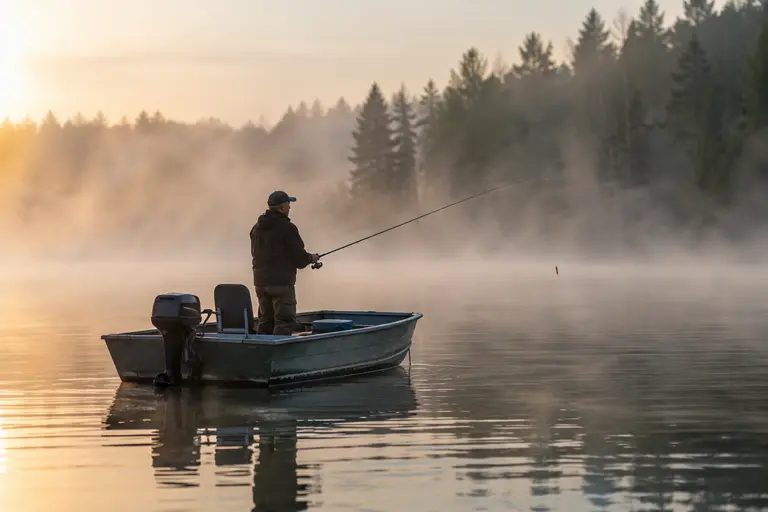
The Coast Guard’s 2024 Recreational Boating Statistics Report, published July 1, 2025, recorded 3,887 reported boating incidents in 2024, with 556 deaths, 2,170 injuries, and about $88 million in property damage. The fatality rate was 4.8 deaths per 100,000 registered recreational vessels, down from 4.9 in 2023. Among known cases, about 76% of deaths involved drowning, and 87% of drowning victims were not wearing a properly fitted personal flotation device. Four out of every five boating fatalities occurred on vessels less than 21 feet in length. The same report recorded 169 incidents in which at least one person was struck by a propeller, causing 30 deaths and 158 injuries 2024 boating statistics.
Those figures point to clear safety priorities. Life jackets need to be worn, not just stored. Smaller vessels need conservative loading and route choices. Propeller zones need firm crew control, especially around docks, swimmers, tow sports, and passenger pickup. Off-Season Boating Safety also means accepting that a small boat may be the wrong platform for rougher weather, colder water, or a long return after dark.
Training And Crew Accountability
Where education and training status were known in 2024, 69% of fatal boating incidents involved operators with no boating safety instruction, compared with 19% where the operator held a nationally approved boater safety certificate. Training does not remove risk, but it gives captains a better framework for right-of-way rules, lookout duties, emergency calls, and passenger briefings.
Before leaving the dock, assign simple responsibilities. One person can help watch for traffic and floating debris. Another can keep track of passengers during docking or anchoring. Children and guests should know to keep hands and feet inside the boat during close-quarters maneuvers. Everyone should know that the operator’s attention belongs on the water, not on a phone, cooler, or cabin conversation.
Off-Season Boating Safety Habits That Hold Up
Off-Season Boating Safety works best as a routine, not a reaction to enforcement or a near miss. Start with a sober operator, a realistic weather check, properly fitted life jackets, and a vessel inspection suited to the water and season. Keep the trip short enough to finish in daylight. If carrying passengers, make the safety briefing normal and brief: life jackets, handholds, emergency gear, propeller danger, and what to do if the operator needs quiet during a maneuver.
The recent Coast Guard enforcement push is a useful reminder that safety expectations continue all year. It should not take a boarding to find missing gear or an unsafe plan. A careful captain uses the quiet months to sharpen habits, maintain the boat, and set firm limits. That approach will not remove every hazard, but it gives every person aboard a better chance of returning safely.