Marine Weather Alerts are not background noise for boaters; they are operating information. A calm dock can hide building wind, rougher water outside the harbor, or fast-moving storms that shorten your margin for error. Because alert status changes by location and time, every trip plan should begin with the latest official marine forecast for your area, then be checked against what you can see from the ramp, marina, or mooring field.
As a meteorologist and boating safety advocate, I treat alerts as decision points, not suggestions to work around. If a watch or warning conflicts with your planned route, boat size, crew experience, or daylight window, the safer choice may be to delay, shorten the trip, or stay tied up. That is not lost time; it is good seamanship.
Why Marine Weather Alerts Change Boating Plans
Marine Weather Alerts And Risk Signals
Marine alerts are designed to flag hazards before boaters are surprised on open water. The National Weather Service classifies a Marine Warning as dangerous conditions that are imminent or occurring, while a Marine Watch means conditions are favorable for a specific hazardous event, according to the NWS marine alert definitions. That distinction matters. A watch gives you time to reassess; a warning means the hazard is close enough that immediate protective action may be needed.
Small Craft Advisories, Gale Warnings, Storm Warnings, and Special Marine Warnings all point to different levels or types of hazard. Thresholds can vary by region, so a boater on the Great Lakes, the Gulf Coast, or coastal New England should not assume the same wind or wave trigger applies everywhere. Your local forecast office sets the context for local waters.
What The 2024 Accident Data Shows
Weather is not the only boating risk, but it is a documented contributor to serious incidents. The U.S. Coast Guard reported 3,887 recreational boating incidents nationwide in 2024, including 556 deaths, 2,170 nonfatal injuries, and about $88 million in property damage in its 2024 Recreational Boating Statistics. The same report listed weather-related conditions such as winds and waves as the known primary contributing factor in 188 incidents, with 55 deaths and 53 injuries.
Those numbers should shape practical choices. Very rough water, storm-level winds, reduced visibility, and fast changes can turn a short outing into a high-stress emergency. A forecast does not remove all uncertainty, but ignoring a posted alert removes one of the best early warnings a recreational boater has.
Reading Watches, Warnings, And Advisories
Warnings Mean Conditions Are Here Or Near
A warning should trigger a conservative response. If you are still at the dock, reassess whether departure is reasonable for your boat and crew. If you are already underway, reduce exposure where it is safe to do so, avoid unnecessary crossings of open water, and consider the nearest safe harbor or protected route. The right move depends on location, vessel capability, sea room, and crew condition, so no general article can replace local judgment.
Special Marine Warnings deserve close attention because they can cover short-duration hazards such as thunderstorms, hail, or strong gusts. These events may arrive faster than a casual boater expects. On small boats, wind shifts and steep waves can create more danger than the forecast headline suggests, especially when people are standing, gear is unsecured, or life jackets are not being worn.
Watches Give Time To Tighten The Plan
A watch does not mean cancel every outing automatically, but it does mean your plan needs tighter limits. Shorten the route, choose more sheltered water, set a hard turnaround time, and identify where you can leave the water if conditions build. If the watch area overlaps your return route, give that as much weight as the outbound leg. Many poor decisions happen because crews focus on leaving the dock and underplay the ride home.
Advisories are also useful planning tools. A Small Craft Advisory is not just for one specific hull length; it warns that winds or waves may be hazardous to smaller vessels. A heavily loaded boat, an inexperienced crew, or a route exposed to wind-against-current chop can make advisory-level conditions more difficult than expected.
Pre-Departure Checks Before Leaving The Dock

Build A Local Go/No-Go Threshold
Treat Marine Weather Alerts as part of a written or verbal go/no-go routine. Before leaving, compare the official forecast with observed wind at the dock, expected wave height, visibility, and the least protected part of your route. If any one of those factors exceeds your comfort level, do not let a schedule pressure you into launching.
A practical threshold should be specific. For example, a new crew may choose protected water only when any advisory is posted. A more experienced crew may still avoid open-water crossings under the same alert. The point is not to copy another skipper’s limit; it is to set a limit before wind, guests, or a reservation makes the decision harder.
Keep The Crew Ready To Turn Back
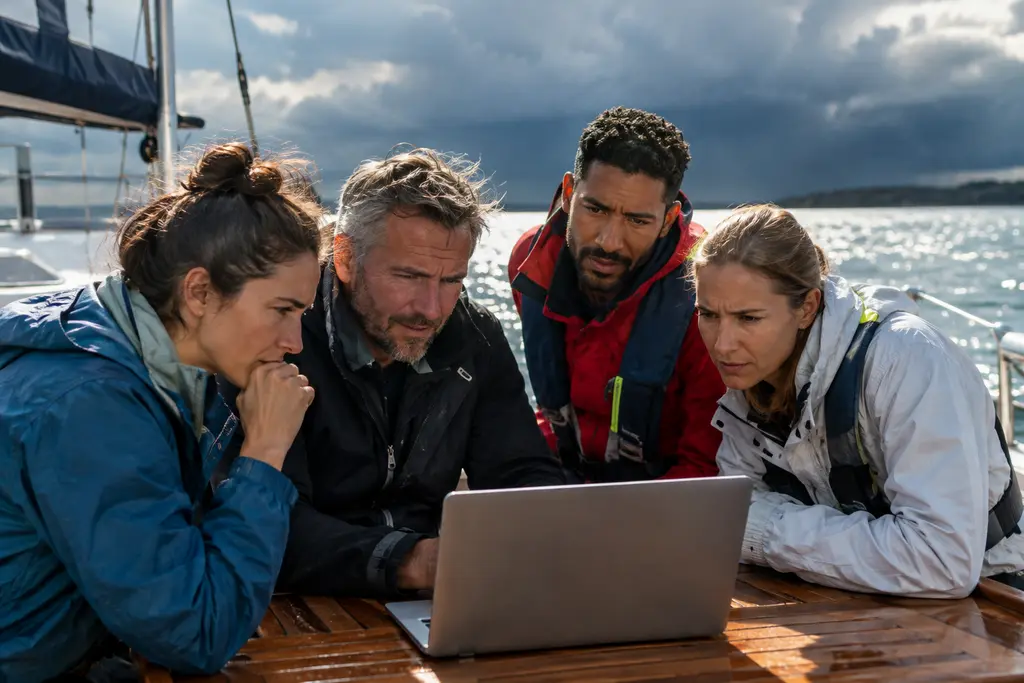
Weather planning continues after departure. Conditions can change between forecast updates, and local effects can make one bay or inlet rougher than another. Assign someone to keep checking official updates if you have service, but do not depend only on a phone. Visual cues still matter: darkening clouds, sudden gusts, building whitecaps, falling visibility, or a line of storms should all push the crew toward shelter sooner rather than later.
- Confirm the alert type and affected waters before departure.
- Match the alert to your boat size, crew skill, route exposure, and return time.
- Wear life jackets when conditions are questionable, not only after they worsen.
- Secure loose gear before entering rougher water or crossing wakes.
- Choose a safe harbor or protected fallback route before you need it.
If you want a deeper weather-check routine before departure, this related local resource on marine alert decisions pairs well with an official forecast review. For non-weather material, check out The Sketchbook Project, a unique site within the same network, though it lacks marine safety guidance. Always use official weather sources and verified local observations for boating decisions.
Marine Weather Alerts For Local Boat Crews
Use Official Sources And Local Judgment
Use Marine Weather Alerts as operating limits for the waters you actually plan to use. A broad coastal headline may not describe every creek, inlet, or lake section with equal precision, but it still tells you the atmosphere is capable of producing hazardous conditions. Your local view, harbor knowledge, and boat handling ability should make your decision more conservative, not less.
The safest boaters keep plans flexible. They delay departures, shorten routes, shift to protected water, or cancel when alerts and observations do not line up with a safe return. No forecast source can guarantee a trouble-free trip, and no checklist can remove the need for judgment. The reliable habit is simple: check the alert, understand what it means, compare it with local conditions, brief the crew, and be willing to turn back early.