The saltwater angling order signed on September 17, 2026, set new federal policy for marine recreational fishing, offshore boating, and for-hire activity. It did not instantly change bag limits, fishing seasons, or local operating rules. For boaters, the practical task is to track agency follow-through, keep safety paperwork current, and avoid assuming that a policy direction is the same thing as a new rule. The order elevated marine recreational fishing in federal ocean, coastal, and public land decision-making, according to the White House order.
What The Saltwater Angling Order Changed
The order gave federal agencies a set of deadlines and policy goals. It directed agencies to review rules that may burden boaters, anglers, and outdoor businesses, while still requiring action to stay consistent with applicable law and available appropriations. That limitation matters on the water. Until a responsible agency publishes a rule, notice, permit revision, or operating instruction, captains should continue following existing federal, state, and local requirements.
Saltwater Angling Order Timeline For Operators
The saltwater angling order used several short deadlines starting from September 17, 2026. Within 30 days, agencies were directed to begin suspending, revising, or rescinding regulations identified as overly burdensome. That 30-day mark falls on October 17, 2026. A public-facing summary also described this direction for agency review in an agency deadline summary.
Within 60 days, agencies were directed to evaluate a transition to multi-year permit terms of at least three years, with a standard presumption of renewal for qualifying permittees. That date falls on November 16, 2026. The same 60-day window also applied to creation of a Federal Outer Continental Shelf Reef-in-Place Program. Within 90 days, by December 16, 2026, a real-time depredation reporting protocol was to be developed and implemented for shark and pinniped depredation events.
What Has Not Changed On Its Own
The order itself did not create new private legal rights, and it did not directly open a closed season, expand a bag limit, or approve a specific reef site for recreational use. Boaters should treat it as a policy starting point, not as a replacement for the actual notices used at the dock, on state agency pages, in federal fishery bulletins, or in permit documents. This distinction helps prevent risky assumptions before a trip.
Permit And Reporting Changes To Watch
For charter operators and other permit holders, the permit language may become one of the most practical parts of the order. The 60-day review called for possible multi-year permit terms, with eligibility tied to good standing, Coast Guard safety compliance, environmental and fisheries compliance, and electronic catch reporting. Until agencies release the exact standards, operators should avoid guessing about eligibility. The safer approach is to keep vessel documents, safety records, inspection-related material, and reporting history organized and ready for review.
Electronic catch reporting also received clear attention. NOAA was directed to modernize data collection by evaluating a phase-out of traditional mail-in surveys, deploying user-friendly mobile applications for mandatory and voluntary use, and creating secure data systems for real-time catch, effort, and observational data. For a captain, that means phone and tablet readiness may become part of the pre-departure routine, much like checking fuel, weather, lights, and communications.
That does not mean a boater should rely on a single device. Salt spray, low batteries, poor reception, or a cracked screen can turn a simple report into a problem. Keep charging cables aboard, protect devices from water, and maintain written notes as a backup if official reporting tools allow later entry. If a crew member is assigned to log catch details, the operator should still verify the report before submission because the permit holder may remain responsible for accuracy under the rules that apply to that fishery.
Reef Access And On-Water Risk Checks
The order directed creation of a Federal Outer Continental Shelf Reef-in-Place Program within 60 days. The program would convert qualifying decommissioned offshore oil and gas structures into permanent artificial reefs, excluding offshore wind infrastructure, subject to navigation, safety, environmental, and national security criteria. That sounds promising for anglers, but a reef designation is not the same as immediate safe access.
Artificial reef areas can attract fishing pressure, mixed vessel traffic, and close-quarters operation. If a new reef area is later approved, captains should check official location information, restricted areas, chart updates, and any agency notices before setting a course. A structure may also create current breaks, snag hazards, and crowding. Give other vessels room, keep a lookout posted, and set drift plans that do not depend on last-second maneuvering around fixed equipment.
The depredation reporting direction is also relevant to safety. The 90-day protocol was aimed at shark and pinniped depredation events, with reports feeding federal and state mobile platforms for mapping and dynamic management. A report system is not a substitute for prudent deck practices. Crews should manage fish handling calmly, keep hands clear of the water when predators are active, and avoid leaning over the rail during a fast-moving event.
Practical Safety Steps For Boaters
Policy changes can distract from ordinary hazards, so the safest response is to pair rule tracking with a steady pre-trip routine. Before leaving the dock, confirm the area, target species, current rules, required permits, weather, communications, and crew roles. If the trip depends on a reporting app or permit portal, test login access before departure rather than after lines are in the water.
- Keep existing licenses, permits, and vessel documents aboard until an agency publishes a clear replacement process.
- Check official federal and state updates before each trip, especially near the October 17, November 16, and December 16, 2026 deadlines.
- Charge phones and tablets used for catch reporting, and protect them from spray and impact.
- Do not assume a decommissioned structure is open for fishing unless official notices confirm access and conditions.
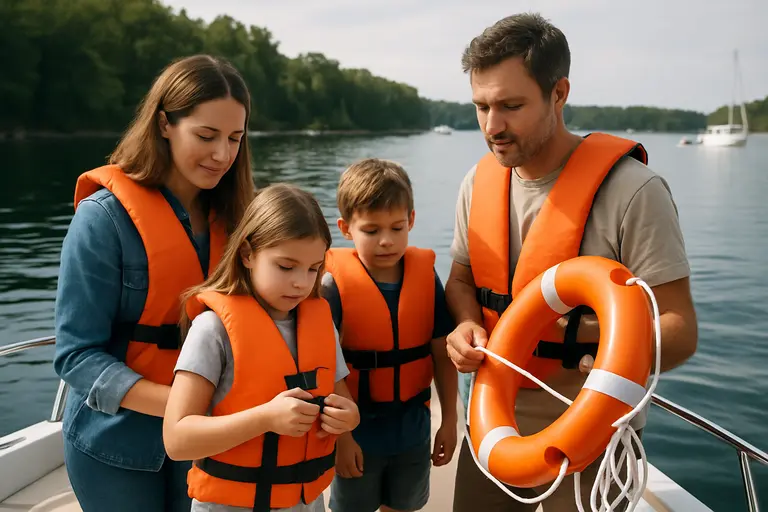
- Brief passengers on life jackets, rail safety, fish handling, and who records catch information.
Boaters who are refreshing their skills can also review state course access as part of trip preparation. Education does not replace current local rules, but it helps crews understand why documentation, sober operation, weather checks, and communication habits matter during busy fishing days.
How Captains Can Prepare Without Overreacting
A measured response is best. If you operate a private recreational boat, focus on current rules and watch for agency notices. If you run for-hire trips, start organizing permit and safety materials now, since the order placed special attention on qualifying permittees and electronic reporting. If you fish offshore structures, wait for verified reef program details before changing routes or advertising destination plans to guests.
Stay informed through your local community and learn more about related boating safety measures. You may also explore additional resources available, such as those from Bethel NC UMC, to broaden your knowledge on safe boating practices. For any binding requirement, use the final rule, permit term, or official agency instruction that applies to your vessel and fishing area.
Saltwater Angling Order Readiness
Treat the saltwater angling order as an active policy signal with practical paperwork and safety effects, not as instant permission to change fishing behavior. Between September 21, 2026, and the listed agency deadlines, the best course is steady preparation: maintain safety compliance, keep catch records clear, monitor official updates, and brief crews before every trip. That approach keeps captains ready for future permit, reporting, and reef access changes while reducing confusion on the water.