Boat Safety Tips take on sharper meaning after the August 8, 2026 tragedy near Liberty Island, where a 22-foot Bayliner speedboat overturned at about 10:25 p.m. during an illegal charter. According to a report on the incident, the boat was overcrowded, a 5-month-old infant aboard was not wearing a life jacket, and two people died near Liberty Island. No single checklist can remove all risk from boating, but capacity, weather, visibility, operator readiness, and life jacket use are practical safety points every passenger and owner can check before leaving the dock.
Boat Safety Tips Begin With Capacity
Capacity is not a casual estimate. It is a safety boundary based on the boat, its design, its equipment, the number of people aboard, and the weight they bring with them. A small boat may feel roomy at the dock, yet behave very differently once passengers shift position, wakes roll through, or the operator must turn quickly. In the Liberty Island case, the research notes indicate the vessel was overcrowded, which is why capacity deserves a place at the top of any pre-departure conversation.
Boat Safety Tips For Reading The Capacity Plate
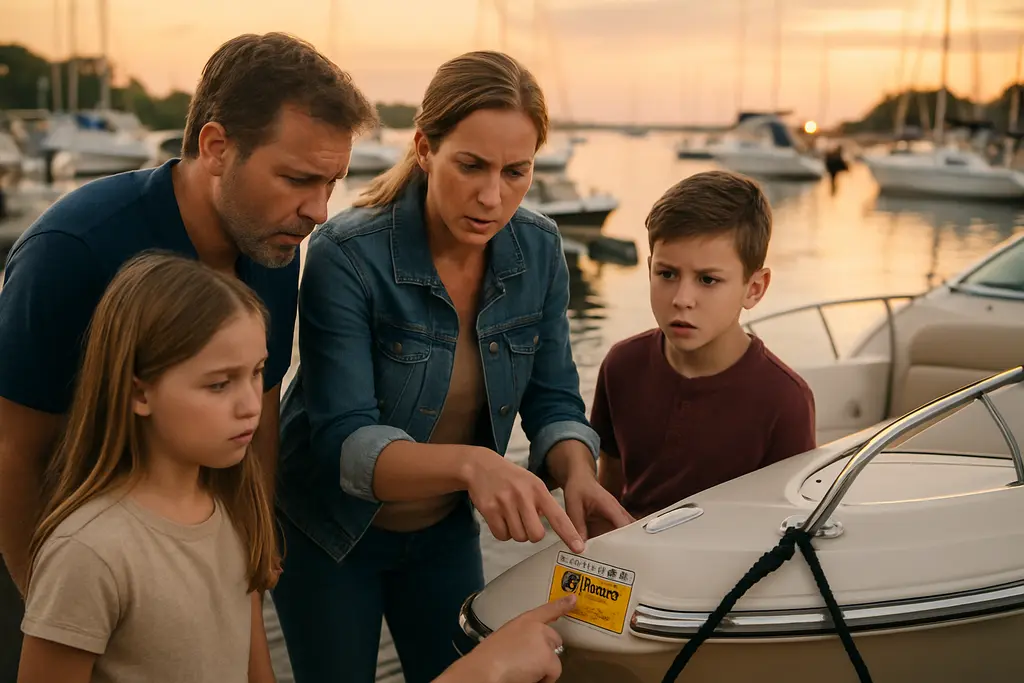
Before boarding a recreational boat or a small tour boat, look for the capacity plate where one is legally displayed. This plate may show the maximum number of people and the maximum total weight the boat is designed to carry. The number of passengers is only part of the picture. Coolers, bags, extra fuel, fishing gear, batteries, and personal items all add weight. If the plate is missing, unreadable, or the operator cannot explain the safe limit, that is a strong signal to pause and ask more questions.
Passenger Count Is Not The Whole Load
Weight distribution matters as much as total weight. A boat can become unstable if too many people gather near one rail, crowd the bow, stand during sharp turns, or move suddenly after a wake. Passengers should sit where directed and avoid shifting as a group. Operators should avoid leaving the dock with people seated on gunwales, transoms, or other places not meant for riding. These are simple habits, but they support the basic goal: keeping the vessel within its safe operating range.
Conditions Can Change A Safe Plan
A boat that is within its capacity limit can still face unsafe conditions. Weather, darkness, current, traffic, wakes, and operator workload all affect risk. The Liberty Island trip occurred at night, and the research notes state that nighttime operation may have added danger. Reduced visibility can make it harder to judge distance, spot wakes, monitor passengers, and identify hazards in busy harbor waters.
Night Operation Needs A Higher Safety Margin
Night trips call for a more conservative plan. That means slower speeds when visibility is limited, working navigation lights, a clear lookout, and a route that avoids unnecessary traffic or exposed water. Passengers should know where life jackets are and should wear them before a problem develops, not after the boat is already in distress. Children and non-swimmers need special attention because there may be little time to react after a capsize or fall overboard.
Wakes, Current, And Weather Should Shape The Decision
Strong wakes, building wind, rain, poor visibility, and current can all make a small craft harder to control. The safer choice may be to delay, shorten the trip, reduce the passenger load, or remain at the dock. A paid ride or a social plan should never override the visible conditions on the water. For a related capacity-focused discussion, see this safety note on boat overcrowding laws.
Life Jackets Are Not Just Emergency Gear
Life jackets work best when they are worn. Research notes state that federal rules require one wearable life jacket per person aboard, and many states require children under a certain age, often under 13, to wear one. A life jacket stored under a seat may satisfy a count, but it may not help if a boat overturns quickly, passengers are disoriented, or the incident happens at night.
Fit Matters For Infants And Children
Children need properly sized life jackets, not adult jackets tightened as a substitute. Infants require flotation devices designed for their size and weight. If a suitable life jacket is not available, the child should not go aboard. The Liberty Island tragedy involved an infant who was not wearing a life jacket, which shows why this check belongs before boarding, not after departure.
Adults Set The Standard On Board
Adults sometimes treat life jackets as optional comfort items, especially on short trips. That habit can influence children and guests. A safety-conscious operator should normalize wearing properly fitted personal flotation devices, especially at night, in cold water, in rough conditions, or on smaller boats. Passengers should not feel embarrassed asking for a jacket that fits or declining a trip if one is unavailable.
Operator And Charter Questions Protect Passengers
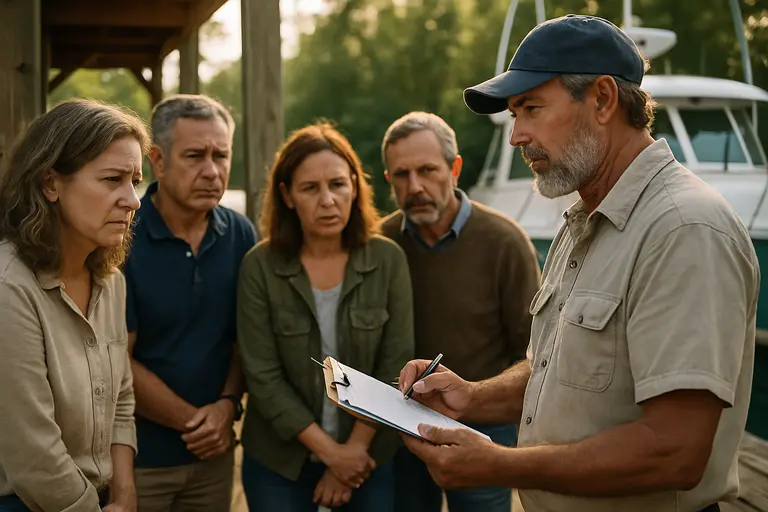
Passengers are allowed to ask basic safety questions before boarding a paid vessel. The research notes state that passenger-for-hire vessels carrying more than six passengers must have a U.S. Coast Guard Certificate of Inspection, and the operator must hold a valid Coast Guard license. The Operator of Uninspected Passenger Vessels credential, often called a six-pack license, limits certain commercial passenger operations to six or fewer paying passengers on vessels under specific tonnage. Research notes also state that small passenger vessels carrying more than 12 passengers must undergo certification and annual inspections under 46 CFR Subchapter T.
Simple Questions Before A Paid Ride
A passenger does not need to inspect the engine room to make a safer choice. Ask how many passengers the boat is approved to carry, whether the trip is a legal charter, whether the operator is licensed for the type of trip, and whether required safety gear is aboard. If the answers are vague, inconsistent, or dismissive, do not board. Boat Safety Tips are most useful before the boat leaves, while passengers still have easy choices.
Look For Calm, Clear Safety Communication
A prepared operator should be able to explain where life jackets are, how to sit safely, what to do if someone falls overboard, and what conditions could cause the trip to be changed or canceled. A rushed boarding process, pressure to ignore crowding, or lack of a passenger briefing should be treated as warning signs. Clear safety communication is part of responsible operation, not an inconvenience.
Use A Dockside Check Before Departure
The U.S. Coast Guard’s 2024 recreational boating statistics reported 556 fatalities, 2,170 injuries, and 3,887 total boating incidents. The same report listed operator inattention as the top contributing cause in 2024, tied to 551 incidents in Coast Guard data. Those figures do not predict what will happen on any single trip, but they point to repeatable habits that deserve attention: watchkeeping, passenger control, experience, and preparation.
- Confirm the passenger count and total estimated weight before anyone boards.
- Check that every person has a wearable life jacket, with children fitted first.
- Ask whether the operator is licensed for the trip and whether the vessel is approved for the passenger load.
- Review weather, visibility, current, and wake conditions before departure.
- Assign a lookout when traffic, darkness, or crowded waters increase workload.
- Cancel or delay the trip if capacity, equipment, or conditions are uncertain.
These Boat Safety Tips are general safety guidance, not a substitute for official requirements, local boating rules, or professional inspection. For readers comparing safety education across community sites, Leap Year Publishing is a related site in the same network; boaters should still verify current requirements through official boating authorities and qualified marine professionals.
Boat Safety Tips Following The Statue Of Liberty Tour Boat Tragedy
The August 8, 2026 Liberty Island tragedy was not just a story about one overturned boat. It was a reminder that small choices can stack together: too many people aboard, uncertain authority to carry passengers, darkness, passenger readiness, and life jacket use. A safer boating culture depends on ordinary people being willing to ask ordinary questions before departure.
Capacity should be visible and respected. Conditions should be checked honestly. Life jackets should be worn before risk rises. Operators should be able to explain their credentials and passenger limits without confusion. Passengers should feel free to step back if something feels wrong. Boat Safety Tips cannot guarantee a safe outcome in every situation, but they can help boaters and guests recognize preventable risk while there is still time to act.