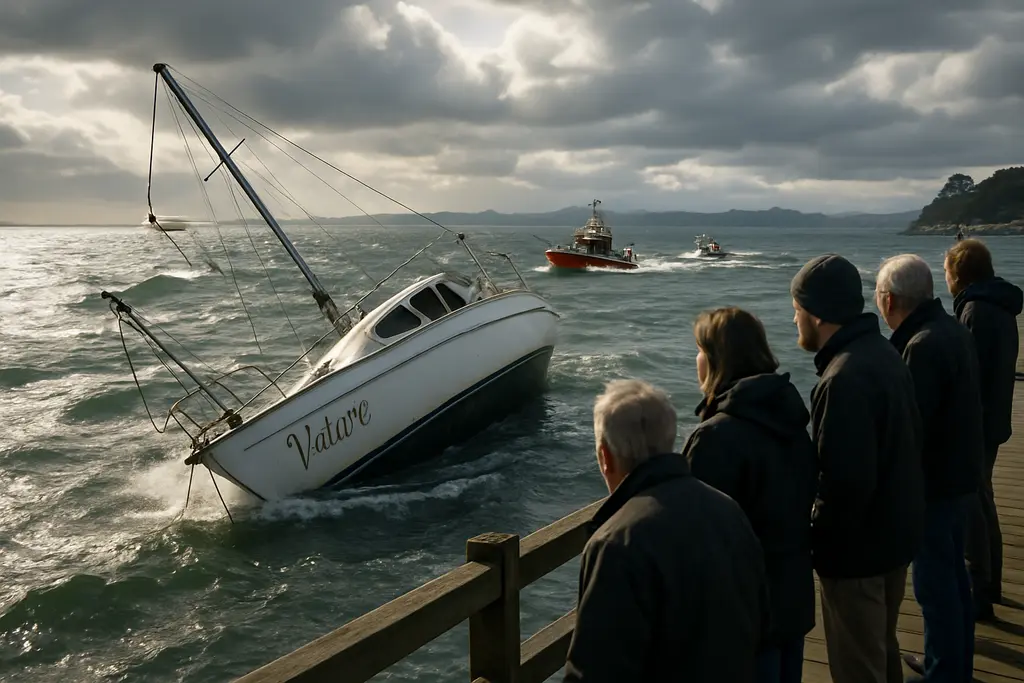
San Francisco Bay Safety deserves careful attention after the July 14, 2026 capsizing of the Volare near Alcatraz Island. The 49-foot cabin cruiser was carrying 20 adults when it capsized roughly 600 yards off Alcatraz at about 3:30 p.m. PDT. Based on the reported timeline, 16 people survived, one person died, and three people were still missing as of July 15. The search for missing people was suspended by sunset on July 15, a body was recovered on July 16, and the wreck was located on July 17 in about 120 feet of water. The cause remained under investigation, so the safest reading is not to assign fault from shore, but to study the risk factors that every skipper can control before departure.
What The Volare Capsizing Shows
Incident Facts That Shape Safer Choices
The reported conditions on July 14 were not described as an extreme storm. Winds were reported from the southeast at about 17 mph, or roughly 15 knots, and the water was choppy. That matters because many boaters treat moderate wind as routine, especially in mid-July. In San Francisco Bay, routine does not always mean forgiving. The stretch between the Golden Gate Bridge and Alcatraz can combine wind, current, deep water, and reflected chop in a way that feels sharper than a simple wind number suggests.
Reports also noted that what first appeared to be smoke was later assessed as steam by responding officers, and fuel leakage was observed as the vessel was nearly submerged. Survivors reported what looked like smoke before the sinking, and investigators were said to be considering mechanical failure possibilities, including cooling-system loss or a hose issue below the waterline. Those details remain investigative leads, not final findings. For boaters, the practical point is clear: heat, steam, bilge water, fuel smell, or a sudden change in engine behavior should be treated as a reason to slow down, assess, and prepare passengers early.
San Francisco Bay Safety Starts Before Castoff
San Francisco Bay Safety is built at the dock, not after a boat begins to roll. Before leaving, a skipper should walk through the vessel from bow to stern and check bilges, seacocks, through-hull fittings, engine hoses, hatch seals, window closures, fire extinguishers, communication gear, and life jacket access. That check should be verbal and visible enough that at least one other adult aboard knows what was checked and where emergency equipment is located.
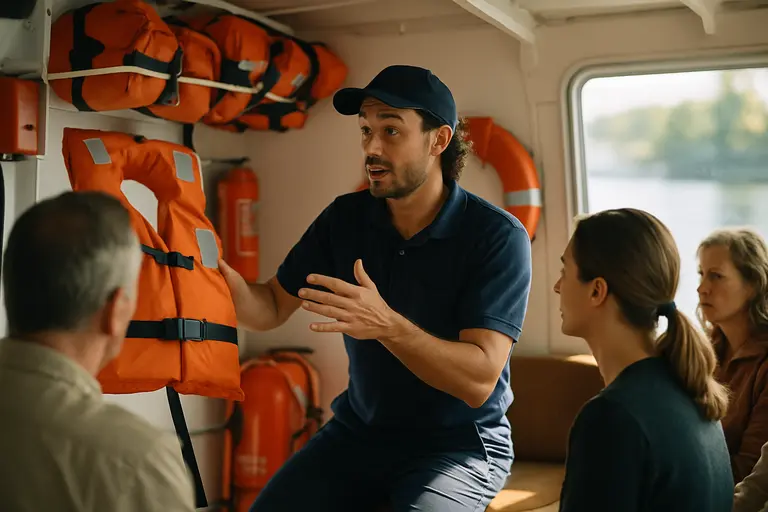
The Volare reports included concern about passengers on main and upper decks, few people wearing life jackets, and the possibility that some people below deck may have been trapped. Those facts point to a simple passenger briefing: where to sit, where not to crowd, where life jackets are stored, how to move if the skipper gives an instruction, and which exits can still work if the boat lists. A briefing does not need to frighten guests. It should be calm, short, and repeated for any group with non-boaters aboard. Related safety reading on passenger checks and capsizing risk is available in this capsizing safety lesson.
Weather, Current, And Route Choices
Why Moderate Conditions Can Still Bite
The Bay can shift from pleasant to punishing because wind and current do not always meet from friendly angles. The research notes describe the area between the Golden Gate Bridge and Alcatraz as deep and affected by strong ebb current pulling outward toward the Pacific, with wind funneled from under the bridge. When those forces oppose or cross each other, a boat can encounter steep, confused waves. A cabin cruiser may be large, but repeated waves on the side can create a beam sea effect, rolling the vessel again and again until passengers, gear, and water movement make control harder.
For San Francisco Bay Safety, the route choice should account for wind direction, current stage, and passenger experience. A skipper carrying many guests can reduce exposure by choosing calmer water, delaying departure, shortening the trip, or avoiding open stretches during stronger ebb flow. The safest plan is often the least dramatic one: leave earlier, stay inside a more protected area, or turn back while the decision still feels conservative rather than urgent.
Reading Advisories Without Overreacting
A Small Craft Advisory is not the only signal that conditions deserve respect. The National Weather Service defines Bay Area Small Craft Advisory criteria in part around sustained winds of 15 to 30 knots and local wave or steepness thresholds, as shown in its marine weather wording. The reported wind near the Volare incident was near the lower edge of that range, yet the water was still choppy. That is why boaters should read the full marine forecast, not just the presence or absence of an advisory.
Break the forecast into plain questions: Where is the wind coming from? Is it building or easing? Is the tide flooding or ebbing during the return leg? Will the route put waves on the bow, stern, or beam? Is the crew dressed and briefed for spray, cold water, and delay? If the answers create doubt, changing the route is not a failure of seamanship. It is seamanship.
Stability, Openings, And Passenger Briefing
Keep Weight Low And Centered
Passenger placement affects stability even on a sizable cabin cruiser. The research notes state that all 20 aboard the Volare were adults and that many were on the main deck or upper decks when the incident occurred. A high center of gravity can reduce a vessel’s margin when waves strike from the side. Guests naturally move toward views, rails, and upper seating, but a skipper has to manage that movement before the boat reaches rough water.
A practical rule is to keep people low, centered, and seated when crossing choppy water. Avoid having a crowd gather on one side to take photos or look at a landmark. Ask passengers to move one at a time, keep companionways clear, and secure coolers, chairs, and loose bags. If the vessel begins rolling, the skipper should reduce nonessential movement first, then adjust course and speed as conditions allow.
Close The Boat Before The Bay Tests It
Reports noted that photos and video showed multiple windows below the main deck, and the possibility was raised that open or poorly sealed windows could allow water inside. That is not a finding about the cause, but it is a useful maintenance reminder. Windows, hatches, doors, and vents are comfort features at the dock; in chop, they can become water paths if they are not shut and sealed correctly.
Before entering open or exposed water, close and dog down hatches where appropriate, confirm cabin doors latch, and look for tired seals, cracked glazing, loose frames, or stains that suggest past leaks. Check the bilge before departure and again after running into chop. A rising bilge level, unexplained steam, unusual engine temperature, or new vibration should prompt an early safety response. For readers who keep written maintenance and safety files, resources within the same network offering related publishing materials can be found at Interline Publishing, though vessel-specific procedures should always come from the boat’s manuals and qualified marine technicians.
San Francisco Bay Safety Lessons For Every Departure
A Dockside Habit List
The strongest lesson is that San Francisco Bay Safety depends on repeatable habits. A skipper cannot control every current line, wake, or mechanical failure, but preparation can reduce the chance that one problem becomes several problems at once.
- Check the marine forecast for the exact route, including wind direction, tide stage, chop, visibility, and advisory language.
- Inspect bilges, hoses, through-hulls, engine temperature signs, fuel odor, batteries, radios, and all closures before leaving.
- Place passengers low and centered before rougher water, and prevent crowding on upper decks or one rail.
- Show every person where life jackets are, and consider having guests wear them before entering choppy or cold-water areas.
- Keep exits clear, especially for anyone below deck, and explain how to respond if the vessel lists or loses power.
- Use autopilot only as an aid; reports said the captain was on autopilot when the vessel began to overturn, and conditions near Alcatraz can demand active attention.
- Turn back, slow down, or choose sheltered water before the situation forces a rushed decision.
San Francisco Bay Safety is not about avoiding the Bay. It is about respecting how quickly wind, current, passenger movement, and vessel condition can combine. The Volare investigation may clarify the specific cause of that July 14, 2026 tragedy, but the immediate lessons are already useful: check the boat, brief the people, read the water, and choose the safer route before the Bay asks for a harder answer.