
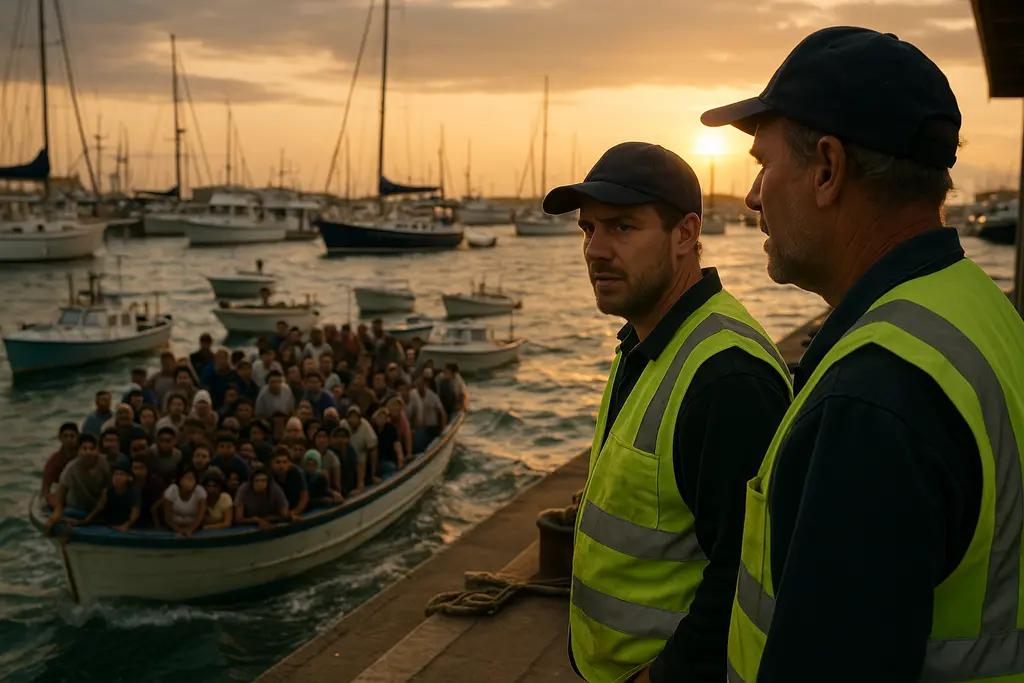
Boat overcrowding laws are not just paperwork concerns for owners and operators. They are tied directly to whether a vessel can float level, respond predictably, and give passengers a fair chance to stay safe if conditions change. The reported capsizing of a 22-foot Bayliner speedboat near Liberty Island on August 8, 2026, in which a 27-year-old woman and her 5-month-old daughter died, is a painful reminder that passenger count, weight, licensing, and life jacket readiness all meet on the water, not after a trip is over AP report.
This safety discussion is not legal advice. Operators should check federal, state, and local requirements that apply to their vessel and trip type. From a marina and boating safety standpoint, though, the practical lesson is plain: do not leave the dock until the load, equipment, passenger briefing, and weather plan make sense for the boat in front of you.
Boat Overcrowding Laws And Passenger Limits
Boat Overcrowding Laws Start With The Capacity Plate
For many recreational boats, the capacity plate is the first safety reference to check before boarding passengers. Capacity plates are used to show maximum weight, the number of passengers, and recommended engine horsepower for covered boats, according to a legal summary of federal capacity plate requirements capacity plate rules. A plate is not a suggestion to stretch on a calm afternoon. It is a working limit that should be read before coolers, gear, pets, and extra fuel are added.
Boat overcrowding laws matter because a passenger count alone can be misleading. Ten small passengers do not weigh the same as ten adults with bags and refreshments. A boat can also become poorly balanced even before it exceeds a posted maximum. Weight gathered near the stern, bow, or one side can reduce freeboard, make steering less predictable, and leave the boat more exposed to wakes and sudden shifts. The safer practice is to think in total load and distribution, not just seats filled.
Why A Posted Limit Is A Starting Point, Not A Trip Plan
A capacity plate cannot see the day’s sea state, wake traffic, operator skill, or how passengers will move once underway. It also cannot account for a group that ignores instructions, gathers for photos, or stands during a turn. That is why a prudent operator treats the plate as the ceiling, then adds a safety margin based on conditions.
Before departure, the operator should count people, estimate gear weight, confirm that the boat sits level, and check that passengers have safe places to sit. If there is doubt, reduce the load. A delayed second trip is far better than an unstable first trip. Written checklists can help crews stay consistent; general resources such as the website of a related site within the network may help with plain-language wording, but boating rules and safety decisions should come from recognized marine authorities and the vessel’s posted limits.
What The Liberty Island Capsizing Shows
Small Boats Have Little Room For Error
The Liberty Island incident involved a reported 22-foot speedboat. A boat of that size may feel roomy at the dock, especially with people boarding one at a time, but its margin can narrow quickly once everyone shifts, wakes arrive, or the operator turns. Smaller powerboats are sensitive to passenger movement, and that sensitivity becomes more serious when the boat is carrying too many people or too much total weight.
Reports in the research notes describe the boat as overcrowded and operating as an illegal charter. Those details raise separate enforcement and liability questions, but the dockside lesson is simpler: if passengers are paying or the trip functions like a charter, the operator’s duties may be very different from a casual outing with family. Owners should not assume that a recreational setup is suitable for hired passenger service.
For readers who want a safety-focused look at the same type of event, Stuyvesant Yacht Club has covered related speedboat capsizing lessons with attention to capacity, life jackets, wakes, and passenger checks.
Children Need Proper Safety Gear Before Departure
The research notes state that the vessel lacked life preservers for children and that the infant was held during the tour. A child being held by an adult is not the same as a properly fitted life jacket. In a sudden capsize, the adult may be injured, thrown, disoriented, or unable to keep hold. The safe dockside rule is to confirm appropriate flotation for every passenger before lines are cast off, with special care for children.
If a properly sized child’s life jacket is not available, the trip should not proceed with that child aboard. This is not a matter of convenience. It is a basic go or no-go decision.
Capacity Plates And Real-World Loading
How To Read The Boat Before It Leaves
Boat overcrowding laws are easier to respect when the boarding process is controlled. The operator or a responsible crew member should board passengers in an orderly way, keep a count, and stop loading before the boat feels crowded. No one should be left to stand in a walkway, sit on the gunwale, or ride where they cannot hold on safely.
Watch the boat as weight comes aboard. If scuppers are low, the stern squats heavily, the bow rides unusually high, or the deck feels cramped, pause and reassess. A legal maximum does not require the operator to use every pound or every listed passenger space. Conditions may call for a lower working limit.
| Dockside Check | Safety Question | Practical Action |
|---|---|---|
| Capacity Plate | Are passenger and weight limits clear? | Stay below posted limits and include gear weight. |
| Life Jackets | Does every passenger have suitable flotation? | Do not depart if any required size is missing. |
| Seating | Can everyone sit in a safe position? | Reduce passengers if anyone lacks a safe place. |
| Load Trim | Does the boat sit level at the dock? | Redistribute weight or remove gear and passengers. |
Commercial Trips Need Extra Caution
The research notes state that vessels carrying more than six passengers for hire may need Coast Guard inspection and a Certificate of Inspection that states the allowed passenger number. Operators should not guess at this boundary. If a trip involves payment, promotion, or organized passenger carriage, the owner should verify requirements before offering the ride.
Marinas can support safer habits by asking clear questions during launch and fuel-dock conversations: How many passengers are aboard? Is anyone a child? Are life jackets fitted and accessible? Is this a private recreational trip or a paid outing? These questions are not meant to delay responsible owners. They help catch unsafe assumptions while the boat is still tied up.
Passenger Briefings Before Leaving The Dock

Keep Instructions Short And Direct
A passenger briefing should happen before departure, not after the boat reaches open water. People new to boating may not understand that standing during acceleration, crowding one side, or moving forward without permission can affect stability. The operator should explain where to sit, what to hold, where life jackets are located, and what to do if conditions change.
- Assign seats before leaving the slip and keep children within direct adult attention.
- Tell passengers not to sit on rails, gunwales, seat backs, or the bow edge.
- Keep bags, coolers, and loose items low and secured.
- Set a simple rule that passengers ask before moving while underway.
- Turn back or slow down if wake, weather, or crowding makes the boat feel unstable.
Sober Operation Supports Load Safety
Alcohol can make crowding risks harder to control because it may slow reaction time and weaken judgment. Even a properly loaded boat needs a clear-headed operator who can manage speed, wake, passenger movement, and changing conditions. If the boat is near its limit, any delay in judgment can matter. For related planning habits during high-traffic summer periods, review these safer summer boating reminders.
The operator should also name a second responsible adult to help with passenger instructions. That person does not replace the operator’s duty, but an extra set of eyes can spot a child removing a life jacket, a guest moving to the bow, or a cooler sliding across the deck.
Boat Overcrowding Laws In Daily Trip Planning
Use The Law As A Safety Floor
Boat overcrowding laws should be treated as the minimum boundary for safe decisions, not the full measure of good seamanship. A trip can be under the posted maximum and still be unwise if the weather is poor, the operator is inexperienced, the boat is poorly maintained, or passengers cannot follow instructions. The safest captains build extra margin into the plan.
A practical routine starts the night before: check the passenger list, confirm child life jacket sizes, reduce unnecessary gear, and decide who will help with boarding. At the dock, read the capacity plate, count the actual people aboard, look at how the boat sits, and give the safety briefing. Underway, keep speed suitable for conditions and avoid sharp handling that could shift passengers or cargo.
Boat overcrowding laws exist because overloaded boats leave less room for human error. The Statue of Liberty incident should remind every owner, guest, and marina hand that capacity is a live safety issue. If the numbers, gear, or passenger behavior do not feel right, the safest and most defensible choice is to stay tied up, lighten the load, or make another run.