
That sinking feeling when something breaks is universal. Whether it’s a sputtering outboard motor or a truck’s stubborn transmission, finding a trustworthy mechanic can feel like searching for a needle in a haystack. The big-box stores and online giants are often the first choice. They promise everything, but do they have the right part for your specific needs?
Factory-trained experts are different from parts-changers. They have more than just a certificate. They have deep, model-specific knowledge from certified technicians with continuous factory training. They can diagnose the why behind the failure, not just fix it.
Authorized dealers and specialized repair shops know your machine inside out. They don’t just sell fixes; they provide diagnoses. Factory-trained technicians understand the why behind the engineering, not just the repair manual. They see the big picture, not just the symptoms.
So, before you go for the big-box store, ask yourself: do you want a part or a partner in maintenance? The right shop is your ally against the next breakdown.
Common Repairs While Cruising
Forget about the perfect sunset; the true character of a cruising sailor is forged in the sweaty, greasy crucible of the engine room. Out here, the most common repairs aren’t just maintenance—they’re character-building exercises in patience, ingenuity, and creative cursing. We’re not talking about catastrophic hull breaches, but the persistent, nagging gremlins that turn a dream cruise into a floating workshop. Understanding these common failures is the first step in managing the inevitable.

Let’s talk fuel system fiascos first. A sputtering engine or a sudden loss of power often points to the fuel system. It could be a clogged filter, a failing fuel pump, or water in the diesel. The big-box stores won’t have the specific marine-grade fuel line or the exact micron-rated filter for your system. You can’t just find the right repair shop in a retail aisle; you need the local wizard who can diagnose a carburetor by ear and has the obscure part for a 1995 diesel in his back room.
Next up: electrical gremlins. These are the most common and most maddening. A dead battery at sunrise isn’t just an inconvenience; it’s a full-system diagnostic nightmare. Corroded connections, a failed voltage regulator, or a parasitic draw can turn your electrical panel into a blinking, beeping puzzle. This is where a local expert with a multimeter is worth their weight in gold. They can trace a short or a bad ground faster than you can say “circuit breaker.”
Then there’s the silent scream of a failed bilge pump. That dreaded, unexpected silence when you flip the switch is a heart-stopper. A clogged through-hull or a seized pump can go from a minor nuisance to a major emergency faster than you can say “Mayday.” This is where the cost of boat upgrades and repairs becomes a very real, very wet line item in your cruising budget. The convenience of a one-click order for a generic pump is useless when you need a specific model that fits your specific bilge.
The “convenience” of a big-box retailer or a one-click online order often leaves you stranded. They might have a fuel line, but they won’t have the exact impeller for your raw water pump or the specific seal for your dripless shaft seal. The real boat repair magic happens in the cluttered, well-organized shop of a local specialist. They don’t just sell you a part; they hand you the right gasket, warn you about the tricky bolt on the port side, and ask about your engine’s specific “groan.” This local knowledge is what turns a potentially disastrous situation into a simple, if greasy, afternoon of boat repair. The true cost of cruising isn’t just in the fuel and food, but in finding and cultivating a relationship with the wizards who keep the gremlins at bay.
Supplier Directory
Think of your boat’s supply chain like a gourmet dinner party. You wouldn’t serve gas station sushi to a food critic. So, why trust a generic parts catalog with your vessel’s vital systems? Building a reliable supplier network isn’t about having a single source; it’s about curating a portfolio of specialists. This directory isn’t just a list—it’s your strategy for turning the chaotic hunt for a 1987 Volvo Penta gasket into a simple, one-call transaction.
Your first instinct might be the retail giants. The big-box suppliers—your Amazons, your West Marines—are the convenient, one-stop shop. They’re the potato salad at the picnic: reliable, omnipresent, and fine. Need a new fender or a common fitting? They’re unbeatable for the basics. But when you need the obscure, the specific, the “I-didn’t-know-that-part-could-break” component, the big-box model shows its limits. As the data suggests, they may have the reach, but they often lack the depth for niche, mission-critical items.
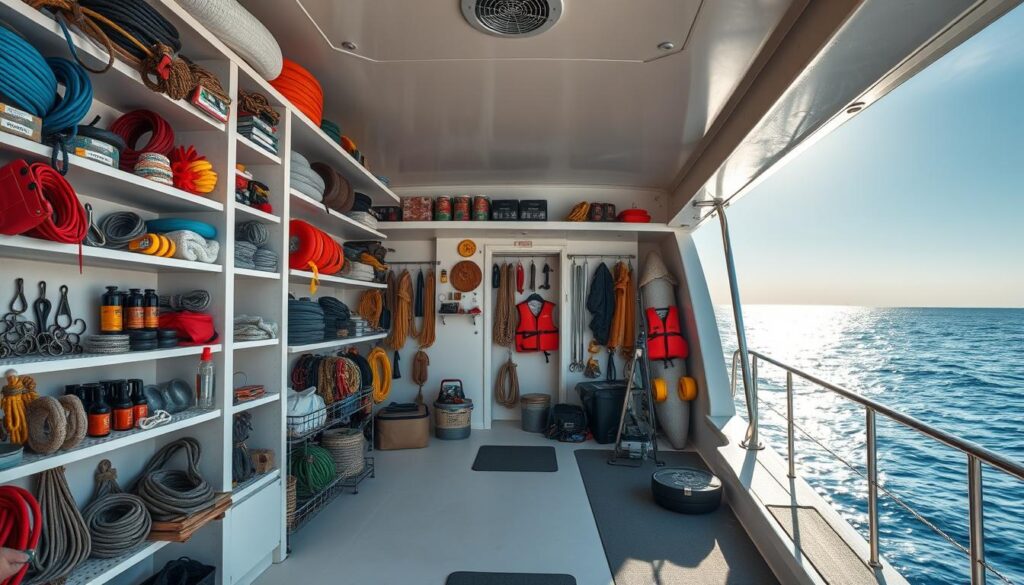
This is where the specialist chandlery becomes your secret weapon. These are the artisans of the marine world. They’re the folks who know that a 1992 Mercury outboard requires a specific, no-longer-catalogued gasket, and they have three in a dusty bin in the back. They don’t just sell you a part; they often know the exact wrench size and torque spec for your model. They are the artisanal, single-origin coffee to the big box’s instant granules.
Then, there are the OEM and authorized dealers. For critical components, like Mercury or Volvo Penta engines, this is non-negotiable. As the data notes, a Mercury-authorized dealer isn’t just a parts counter; it’s staffed with factory-trained experts. It’s the difference between a line cook and a Michelin-starred chef. One follows a recipe; the other understands the chemistry of the ingredients. For your engine’s brain or a complex fuel system, this is your only real choice.
How do you build this network? Start with a comprehensive supplier network directory to find vetted, local parts specialists. For the on-the-ground, hyper-local knowledge—the kind that tells you which chandlery in the next port has a guy who can fabricate a custom impeller on a Sunday—you need a marina and local resource directory. The old salt at the dock with the perfectly varnished teak probably isn’t getting his parts from a multinational online retailer.
Let’s break down the supplier ecosystem in a way that makes the choice clear:
| Supplier Type | Best For | Watch Out For | When to Use |
|---|---|---|---|
| Big-Box/Online Retailers | Common parts, safety gear, generic supplies. The “convenience store” of marine supply. | Generic parts, limited expertise, often no technical support. | You need a standard bilge pump, a new fender, or common oil filters. It’s Tuesday. |
| Specialist Chandlers | Obsolete parts, vintage systems, expert advice, and hard-to-find components. | Can be pricier, may have longer lead times for rare items. | Your 40-year-old diesel has a hiccup, or you need a specific winch part for a rare model. |
| OEM/Authorized Dealers | Engine parts, electronics, and any repair where factory specs are non-negotiable. | Highest cost, but includes factory-backed expertise and warranty support. | Engine overhauls, critical system repairs, or when the manufacturer’s warranty is in play. |
The final, most underrated part of your marine supply strategy is the human network. The real directory isn’t online; it’s the one you build at the marina bar or the fuel dock. The old adage is true: the right part is useless without the right knowledge. Your network of local experts, from the grizzled mechanic to the chandlery owner who can find anything, is the ultimate marine supply hack. They’re the living, breathing, and often slightly oil-stained search engine for the parts you didn’t even know you needed.
Tips from Locals
In today’s world, the best boating tips often come from local chandlers. These tips are like old stories passed down through generations. Missing out on these tips is like sailing without a map.
While online searches can find parts, they can’t replace the nod of a local vendor. They’ve seen your exact problem before. It’s more than just shopping; it’s sharing wisdom.
The Human Algorithm vs. The Digital One
Forget Yelp. The real secret to boating success comes from local mechanics. They can tell what’s wrong with your engine just by listening. This is the human algorithm.
Online, you might find a part that looks good. But a local vendor will ask about your specific sailing area. They might suggest a part that’s better for your local waters. This is a real conversation, not just a sale.
This local network is like the first social media. It’s the bartender who knows the best cove for shelter. Or the chandlery owner who remembers a part number from 20 years ago. It’s a network of real experience, not just data.
Consider the difference:
| When you need… | Algorithmic Advice | Local Sage Advice |
|---|---|---|
| Finding an Obsolete Part | Endless search results, dubious “compatible” parts, and 2-week shipping. | “Oh, the 1998 Mariner 50? Joe over at the salvage yard has a parts motor. Let me call him.” |
| Diagnosing a Strange Noise | Generic “boat engine noise” videos with 12 possible causes. | “Sounds like the water pump impeller. They go every 3-4 years in our silty water. I’ve got the part.” |
| Finding a Safe Anchorage | Chart says 8-foot depth at low tide. | “Don’t trust the chart east of the red buoy after a big storm—the sandbar shifted. Anchor in the lee of the island instead.” |
The Librarians of the Local
Local vendors are like librarians for boating knowledge. They know all about the right sealant, the right impeller, and the best cove to anchor in. They’re not just selling parts; they’re sharing a wealth of information.
The Value of Tacit Knowledge
This knowledge is hard to find online. It’s the tacit knowledge—the wisdom gained from experience. It’s knowing which cleaner is safe for the local seagrass, or that a certain part is actually cheaper and better.
Using local vendors is more than just buying parts. It’s about tapping into a network of experience. It’s the difference between reading a manual and having a mentor. In today’s world, the real value is the conversation, the nod, and the advice that turns a problem into a simple fix. That’s the true value of the docks.
Emergency Repairs
Your boat is making a new, expensive noise. The bilge pump is humming a frantic tune. This is when panic, not the water, becomes your biggest enemy. Duct tape is a faith-based initiative, and the big-box store’s website is a digital ghost town when your bilge is filling. Panic is not a plan.
Real emergency repair is less about fancy tools and more about the right contact. The local wharf guru who can identify a failing impeller by sound is key. They are the factory-trained experts you find at authorized dealers, the ones who can perform the marine equivalent of SEAL Team Six extractions on a seized lower unit. They are the difference between a fix and a salvage operation.
Your true emergency kit isn’t just a box of tools. It’s the local Mercury dealer’s number, the marina manager’s direct line, and the name of the old-timer who fixes everything with a paperclip and intuition. It’s the difference between a story you laugh about later and a very expensive, very wet phone call to the Coast Guard. Prepare for the worst by knowing who to call, not just what to buy.