
A safe boating experience starts long before the engine turns over or the dock lines come aboard. Recent accidents and federal boating data point to the same practical lessons: wear the right life jacket, keep alcohol away from the helm, watch weather and visibility, verify passenger-for-hire credentials, and make sure communication gear works. These steps cannot remove every risk on the water, but they reduce common hazards that have appeared again and again in accident reports.
Safe Boating Experience Lessons From Accidents
The national picture has improved in one key area, but the risk remains real. The U.S. Coast Guard reported 556 recreational boating deaths in 2024, the fewest in more than 50 years, with a death rate of about 4.8 deaths per 100,000 registered recreational vessels. The same 2024 statistics listed alcohol as a contributing factor in 293 incidents, with 112 deaths and 234 injuries 2024 boating statistics. Those figures show progress, but they also show why preparation still matters on ordinary weekend trips.
A lower fatality total should not make any skipper casual about risk. Many serious accidents start with routine choices: a passenger leaves a life jacket under a seat, a captain accepts one extra person aboard, a lookout is distracted, or a weather change is ignored because the dock is only a short distance away. Good boating practice is built from small habits that are repeated every time, not from confidence alone.
Safe Boating Experience Starts With Life Jackets
The research notes for recent boating deaths in 2023 reported 564 total deaths, with 75 percent involving drowning. Among those drowning victims, 87 percent were not wearing life jackets. That is one of the clearest lessons a recreational boater can apply. A life jacket stored aboard may satisfy a minimum equipment check in some settings, but it cannot help a person who is thrown into the water unexpectedly if it is not being worn.
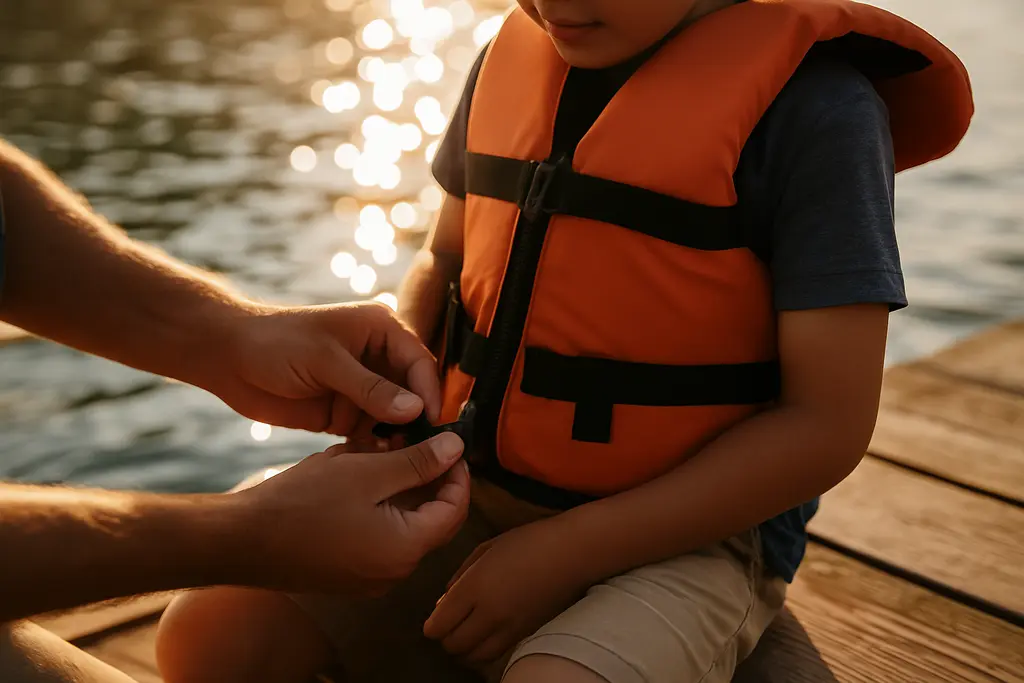
For a safe boating experience, each person should have a properly fitted, U.S. Coast Guard-approved life jacket before departure. Children, weak swimmers, guests unfamiliar with boats, and anyone on deck in cold water, darkness, rough water, or high traffic conditions should be treated with extra caution. Fit matters: a jacket that rides over the chin, cannot be fastened, or is the wrong size can fail at the worst moment.
Crew Habits That Reduce Preventable Risk
A safe boating experience depends on the conduct of the operator and crew as much as the condition of the vessel. Alcohol remains a repeated factor in fatal and injury-producing incidents. The practical answer is simple: the operator should not drink, and the crew should have a plan for food, hydration, rest, and a sober ride home from the marina. Fatigue, sun exposure, and dehydration can also reduce judgment, so a clear-headed helm is part of the safety plan.
Sober Operation And Clear Assignments
Before leaving the dock, the operator should assign basic roles in plain language. One person can watch for traffic, markers, floating debris, swimmers, and paddlecraft. Another can know where the first aid kit, fire extinguisher, sound-producing device, and signaling gear are located. Guests do not need advanced training to help; they need direct instructions they can remember under stress.
Speed control is another habit that protects people. Busy channels, reduced visibility, glare, anchored boats, sailing areas, and ferry or commercial traffic all call for slower operation and wider margins. A lookout should not be treated as optional, especially where the operator’s view is partly blocked by passengers, canvas, gear, or vessel structure.
Visibility And Collision Prevention
Recent research notes included fatal collision and grounding events where visibility, lookout practices, and water conditions were part of the safety discussion. A small recreational boat can cover distance quickly, but so can another vessel crossing its path. Before entering a narrow channel or crowded area, reduce distractions at the helm, secure loose items, and make sure passengers are seated where they do not block the operator’s view.
Night operation deserves special restraint. Working navigation lights, slower speed, a known route, and a charged communication device are basic precautions. If the weather, light, or traffic picture no longer looks manageable, turning back or waiting is a sound seamanship decision, not a failed outing.
Charter And Passenger Safety Checks
Illegal passenger-for-hire operations add risk because passengers may assume that a paid trip has been screened, equipped, and operated under the right authority. On August 8, 2026, according to the U.S. Department of Justice, a speedboat in New York Harbor capsized while carrying paying passengers; prosecutors alleged the operator was unlicensed, the vessel was overloaded, and required safety equipment was lacking. The incident killed a 5-month-old infant and a 27-year-old woman, and the operator was charged after the capsizing New York Harbor case.
A safe boating experience on someone else’s vessel should include questions before boarding. Ask who is operating the vessel, whether the trip is legal for paying passengers, how many people the boat is rated to carry, where life jackets are stored, and whether children have properly sized jackets. A responsible operator should be able to answer basic safety questions without pressure, delay, or vague promises.
Capacity And Credential Checks
Capacity limits are not suggestions. Extra passengers change how a boat handles, how quickly it can stop, how it reacts to wakes, and how easily people can move during an emergency. If the deck feels crowded at the dock, conditions may feel much worse once the boat is rolling or another wake passes. Do not board a trip that appears overloaded, lacks visible safety gear, or treats life jackets as an afterthought.
For boaters who own or operate their own vessels, the same lesson applies without the commercial angle. Know the capacity plate where one is provided, distribute weight evenly, keep gear secured, and brief guests before departure. If a child or adult needs a different jacket size, solve that problem before the lines come off.
Equipment And Weather Readiness

Equipment works best when it is checked before stress arrives. A VHF radio, charged phone in a dry case, sound signal, visual distress signals where required, first aid supplies, fire extinguisher, anchor and line, bilge pump, lights, and spare drinking water all support safer choices. The right mix depends on the vessel, waterway, distance from help, and time of day, so boaters should check federal, state, and local requirements for their area.
Communications And Signaling Gear
Reliable communication deserves more than a quick glance. Turn on the VHF, confirm the battery level on handheld units, and keep emergency numbers or marina contacts accessible. A phone alone may not be enough where coverage is weak or the device gets wet. If guests are aboard, tell them how to call for help, how to describe the boat, and where to find location information if the operator is unable to speak.
Weather checks should include wind, waves, visibility, and the timing of any expected change. A pleasant start does not guarantee a safe return. If thunderstorms, fog, strong wind, cold water, or rough conditions are possible, adjust the plan, shorten the route, stay closer to safe harbor, or postpone the trip.
Maintenance Checks Before Leaving The Dock
Maintenance is safety work. Fuel, steering, throttle response, battery condition, bilge operation, cooling water flow, and dock lines all deserve attention before departure. Small warning signs, such as a slow engine start, fuel smell, unusual vibration, loose battery cable, or water in the bilge, should be handled at the dock rather than explained away once underway.
For a practical companion piece on gear habits after accident reports, see these boating safety equipment lessons. Readers who compare safety writing across related publications can also find plain-language editorial resources at a related publication.
Safe Boating Experience Actions Before Departure
The best safety plan is simple enough to repeat. Before every outing, use a short dockside routine and make the crew part of it. The goal is not to create fear; it is to make the safe choice the normal choice.
- Put properly fitted life jackets on before leaving the dock, especially for children and non-swimmers.
- Keep the operator sober and rested, with another responsible adult briefed on basic emergency steps when possible.
- Check weather, visibility, water conditions, fuel, batteries, lights, bilge pumps, and communication gear.
- Respect capacity limits and keep weight balanced, with passengers seated during higher-risk maneuvers.
- Assign a lookout in traffic, poor visibility, narrow channels, or areas with swimmers, paddlers, or sailing schools.
- Ask direct safety questions before boarding any paid passenger trip, and walk away if answers are unclear.
Recent accidents show that preparation is not just a checklist; it is a habit of slowing down, asking better questions, and refusing to launch with known gaps. That mindset gives every crew a stronger chance of returning safely.