Key Takeaways:
- Perform regular checks to prevent accidents.
- Carry a fitted life vest for every person.
- Complete a training course to master maneuvers.
Going out on the water is more than just fueling up. Regular checks on your boat make every trip a good memory.
Skipping these checks can lead to accidents or even death in an emergency. A little effort today can avoid big problems tomorrow.
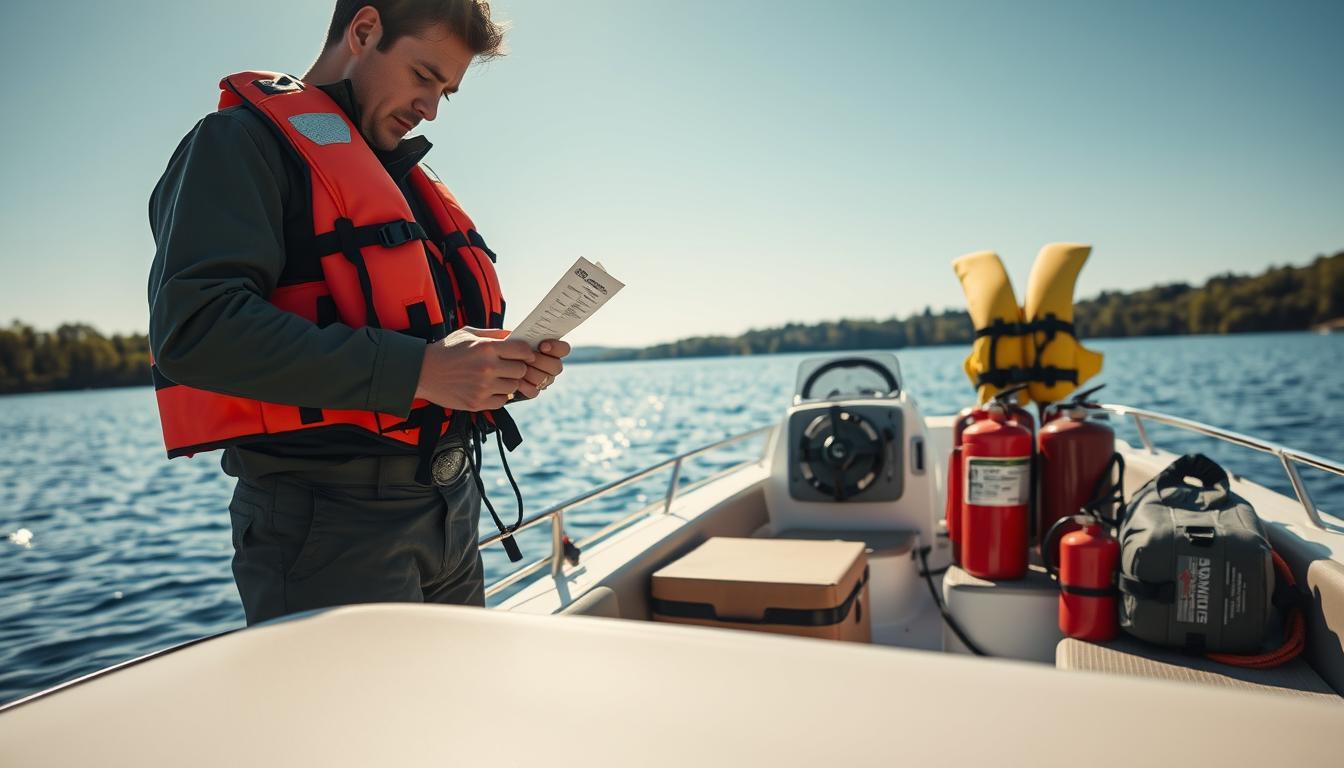
Having the right tools is key to emergency preparedness. Every boat needs a working life vest for everyone on board.
Make sure these vests fit right. Regular checks keep your boat legal and safe.
You also need fire extinguishers and signals on board. Taking a Rhode Island boating course teaches you important skills like docking. Learning these skills means your safety gear is ready and your crew is safe.
Must-Have Safety Gear for All Boats
Every boat owner must prioritize specific equipment to ensure the safety of everyone on board. Keeping your vessel stocked with the right safety gear is more than just a good habit. It is a vital part of maritime compliance that protects lives during unexpected situations.
Having these items organized and accessible ensures you are ready for any challenge the water throws your way. Proper preparation reduces stress and allows you to focus on enjoying your time on the water. Safety should always be your first priority before leaving the dock.
Life Jackets and Personal Flotation Devices
Life jackets, or Personal Flotation Devices (PFDs), are the most critical items on any boat. You must have one wearable PFD for every person on board, and they must be in good condition. A poorly fitted jacket can slip off in the water, leading to tragic results for the wearer.
The consequences of not wearing a life jacket are often severe, as most boating fatalities involve people who were not wearing one. Choosing the right type for your activity is essential for maintaining compliance with federal laws. Ensure every passenger knows where their life jacket is located and how to secure it properly.
| PFD Type | Common Name | Best Use Case |
|---|---|---|
| Type I | Off-Shore Vest | Remote or rough open waters |
| Type II | Near-Shore Vest | Calm inland water rescues |
| Type III | Flotation Aid | Water sports and active boating |
| Type IV | Throwable Device | Immediate rescue for someone overboard |
Fire Extinguishers and Visual Distress Signals
Fires on boats can spread quickly due to the presence of fuel and fiberglass materials. Carrying a USCG-approved fire extinguisher is a key part of your safety gear checklist. You should regularly check the pressure gauge to ensure the device is fully charged and ready for use.
Visual distress signals are equally important for attracting attention when you need help. These include flares, signal mirrors, and electronic distress lights that work during the day or night. Always check the expiration dates on your flares to ensure they will function correctly in an emergency.
Having a variety of signaling tools increases your chances of being seen by other vessels or rescue crews. Store these items in a dry, easy-to-reach location so you can grab them instantly. Maintaining this equipment is a simple way to stay safe and follow safety gear regulations.
How to Inspect and Maintain Your Life Jackets
Checking your life jackets regularly is key to being ready for emergencies on the water. These are your most important safety gear. They must work perfectly to save lives in accidents.
Ignoring your gear can lead to serious problems when you need it most. Use the ultimate local boating safety checklist to make sure everything is ready. A check every three months can catch small issues before they become big problems.
Well-maintained vests give you peace of mind. A life jacket only works if it is functional and fits the wearer correctly. Make sure to keep your crew safe on every trip.
Checking for Damage and Wear
Start by looking for signs of wear or aging. Check the fabric for any rips, tears, or holes that could affect buoyancy. Even a small snag can quickly turn into a major structural failure under pressure.
Test the straps and buckles to make sure they work well. Plastic clips can get brittle from the sun. If a buckle cracks or a strap frays, replace the safety gear right away.
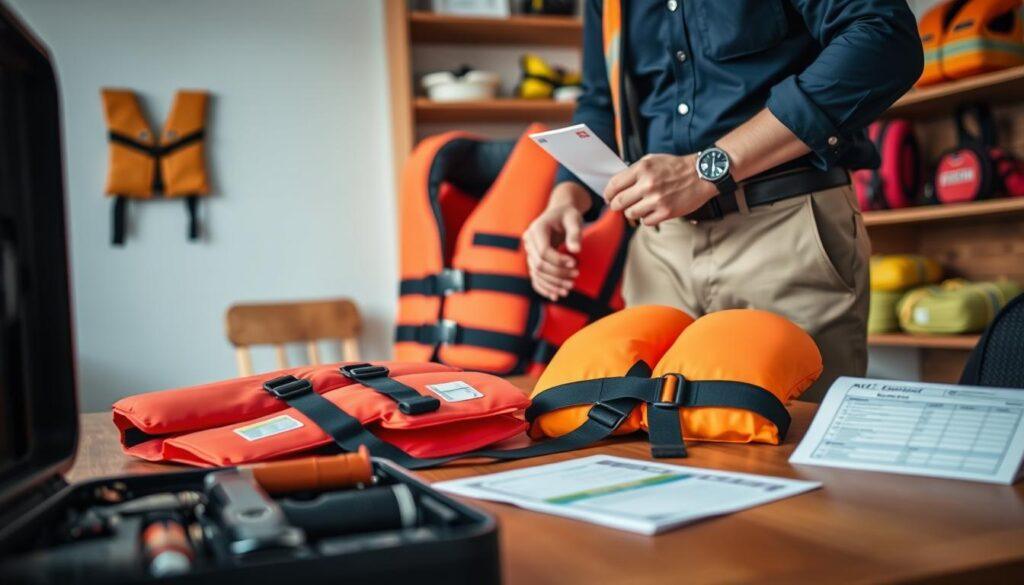
Look at the foam inside for any signs of damage. If the jacket feels thin or “crunchy,” the foam has likely broken down. For inflatable models, check the CO2 cylinder and the firing mechanism for any signs of corrosion or leakage.
Cleaning and Storing Life Jackets
Cleaning your life jackets right is important to stop mold and mildew. Use a mild soap and water to clean off salt, dirt, and oils. Avoid harsh detergents or bleach, as they can damage the synthetic fibers.
Always dry your life jackets in a cool, well-ventilated area away from direct sunlight. High heat from a dryer or prolonged UV exposure can damage the materials. Make sure they are completely dry before storing to prevent rot and odors.
Keep your safety gear in a cool, dry, and easy-to-reach spot. Never stack life jackets under heavy anchors or storage bins. This can damage the foam and reduce the jacket’s ability to keep a person afloat, hurting your emergency preparedness efforts.
| Component | Inspection Task | Frequency |
|---|---|---|
| Fabric and Straps | Check for rips, rot, and UV damage | Every 3 Months |
| Buckles and Zippers | Test for smooth operation and cracks | Quarterly |
| Buoyancy Foam | Squeeze to check for hardening or thinning | Every 3 Months |
| Inflatable Bladder | Perform a 24-hour leak test | Annually |
| CO2 Cylinder | Check for corrosion and proper seal | Before Every Trip |
Fire Extinguishers and Flares: What to Know
Fire safety equipment and distress signals are key for your emergency preparedness on the water. A small fire can quickly turn into a big problem because you can’t just leave the boat. It’s important to check these tools often to make sure they work when you need them most.
Make sure your extinguishers are easy to get to and fully charged every quarter. Keeping them in top shape helps keep everyone safe and your boat in good condition. Regular maintenance is the only way to ensure a safe trip back to shore.
Selecting Marine Suppression Units
The Coast Guard classifies marine fire extinguishers based on the fire they can handle. Most boats need Class B extinguishers for fires in flammable liquids like gasoline and oil. Always look for the U.S. Coast Guard Approved label.
Check the pressure gauge monthly to keep the needle in the green. If the extinguisher feels light or shows rust, replace it right away. Also, shake dry chemical extinguishers now and then to keep the powder mixed.
Activating Visual Distress Signals
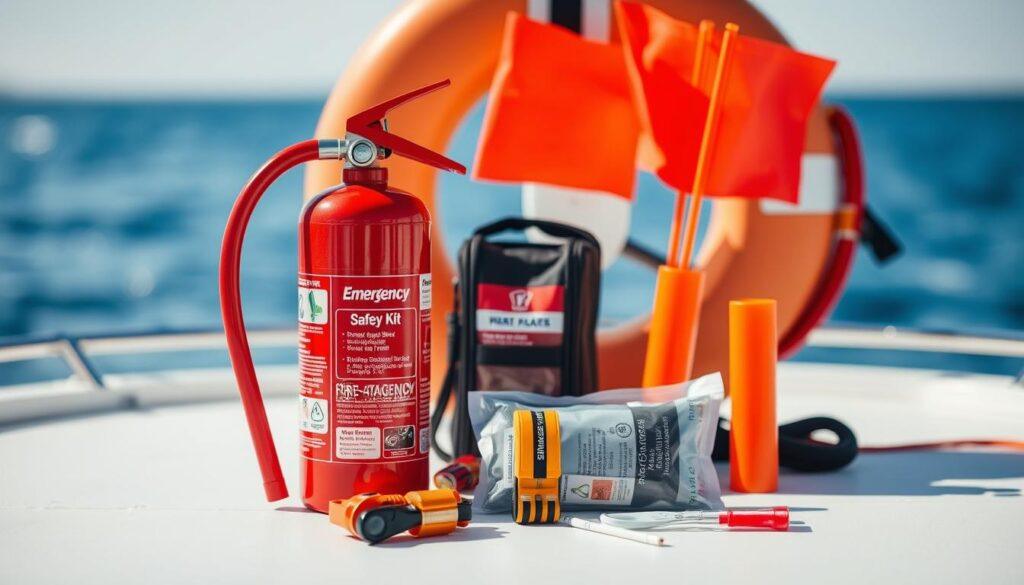
Visual distress signals are vital for emergency preparedness on the water. You need both day and night signals to be seen by rescuers. Flares expire after 42 months, so replace them before they fail.
When using handheld flares, hold them downwind and away from you to avoid burns. Aerial flares are better for long-distance visibility and should be fired slightly angled. Keep these items in a dry, waterproof place for emergencies.
Learn about the different signals before you go out. Knowing how to use each one quickly can save lives. Keep your signaling kit where everyone can reach it easily.
| Signal Type | Best Usage | Visibility Range | Typical Duration |
|---|---|---|---|
| Handheld Flare | Nighttime Location | Short Range | 2 to 3 Minutes |
| Aerial Flare | Long-Distance Alert | High Altitude | 6 to 10 Seconds |
| Orange Smoke | Daytime Signaling | Medium Range | 3 to 5 Minutes |
| Electric SOS Light | Nighttime Emergency Preparedness | Short Range | Multiple Hours |
Developing an Emergency Action Plan
A good emergency plan can save lives when every second counts. Every captain needs a clear plan for crises before they leave. This ensures everyone knows their role in a stressful situation.
Being prepared reduces panic and leads to a better response. It’s your job to teach passengers basic safety steps. A few minutes of training can prevent a small problem from becoming a disaster.
Creating a Float Plan
A float plan is a simple document that outlines your trip. Leave it with someone on land, like a friend or marina staff. If you’re late, they can call for help and give important details.
This plan is a safety net for you and your passengers. It helps rescuers find you if you’re missing. Always tell your contact if your plans change.
| Category | Details to Include | Purpose |
|---|---|---|
| Vessel Info | Boat name, color, and registration | Visual identification for rescuers |
| Passenger List | Names and emergency contacts | Accountability for everyone on board |
| Itinerary | Destination and expected return | Narrowing the search area |
Responding to Common Emergencies
Quick thinking is key when emergencies happen on the water. Practice drills for different scenarios to stay ready. This training helps you stay calm and act fast in real emergencies.
If someone falls in, keep watching them closely. Shout “Man Overboard” to alert the crew. Throw a flotation device to them while you carefully move the boat back.
Fire is a serious threat that needs a quick and organized response. Use your fire extinguisher at the base of the flames using the PASS method. Move everyone to the safest part of the boat away from smoke and heat.
Following these steps helps you meet safety standards. It also makes boating safer and more enjoyable for everyone. Having a solid plan in place is key to safe boating.
Staying Compliant with Coast Guard Regulations
Following U.S. Coast Guard rules is key for every boat trip. It keeps you out of legal trouble and keeps your passengers safe. You must have certain items on your boat at all times.
Authorities often check boats randomly to make sure they meet standards. Checking your gear before you leave can prevent delays and fines from local officers.
Safety Equipment Requirements
Every boat needs the right safety gear to meet federal rules. This includes USCG-approved life jackets for everyone on board. Boats must also have 5-B or 10-B rated fire extinguishers for engine fires.
You need visual distress signals like flares for night use. A boat safety equipment checklist helps you not miss important items. Having the right gear is key to saving lives in emergencies.
Emergency Preparedness Requirements
Being ready is more than just having the right tools. You must test your sound-producing devices and navigation lights before you leave. Also, check your ventilation systems and backfire flame arrestors to prevent gas vapor fires.
Keeping your boat in top shape is important. It may help with insurance through GEICO Marine or BoatUS. Knowing local state laws is also important, as they can be stricter than federal ones. Safe boating practices protect your investment and everyone on the water.