Marine Event Safety in Chicago starts well before a boat leaves the harbor. Organized activity on the Chicago River, Lake Michigan, or near harbors can bring swimmer traffic, spectator craft, patrol vessels, changing wind, and temporary restricted areas into the same space. For those familiar with sites like Old Norse News in the network, this page remains focused on one main goal: ensuring safer Chicago boating around permitted marine events, detailing clearly what can and cannot be covered by published reminders.
As a sailor, I treat event days differently from routine harbor runs. A regatta, parade, swim, or fireworks display can create “extra or unusual hazards” on navigable waters, which is why the U.S. Coast Guard permit process exists under 33 CFR § 100.15. The guidance below is not a permit decision and is not legal advice. It is a practical safety readout based on the research notes available for September 14, 2026, and on the two federal event-zone documents cited here.
Marine Event Safety Starts Before The Permit
Marine Event Safety Timing For Organizers
For organized water activity, the planning clock matters. The research notes state that organizers must submit a marine event permit application using Coast Guard Form CG-4423 when an event introduces extra or unusual hazards. New events require submission at least 135 calendar days before the event. Recurring events with the same location, date, times, and other matching details may qualify for a shorter 60-day submission window.
Those lead times are not just paperwork. They give officials time to review the course or activity area, expected participant traffic, spectator craft, patrol coverage, communication plans, and possible effects on normal commercial or recreational traffic. If the plan changes late, boaters should not assume old boundaries, old times, or old patrol patterns still apply. Confirm the current event instructions before leaving the dock.
What A Permit Plan Should Cover
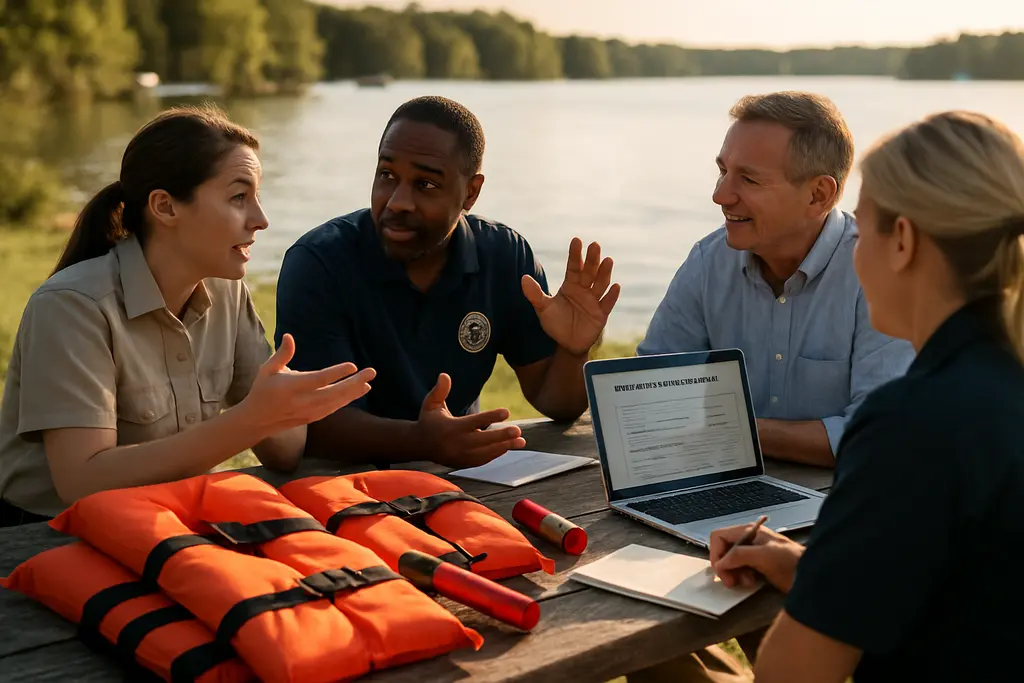
Good Marine Event Safety planning separates participant space from spectator space. A workable plan should identify the event boundary, the schedule, patrol vessels, observers, safety history of the organizer, and how commercial traffic will be managed. That matters on Chicago waters because a single slow-moving spectator boat can block sightlines, drift into a swim area, or force other vessels into tight turns.
Organizers should also think about public access. The research notes state that permits and safety zones should not unduly restrict ordinary access for recreational or commercial users who are not involved in the event. In practical terms, that means event staff need clear communications, not just buoys and assumptions. For a related local planning angle, this site has a separate note on Chicago boater event planning that pairs well with a formal permit review.
Safety Zones And Shoreline Limits In Chicago
Recent 2026 Event Zones Already Enforced
Two Chicago examples from August 2026 show why boaters should check dates, times, and boundaries instead of relying on memory. On August 6, 2026, a safety zone was enforced for the Chicago Ducky Derby on the Chicago River between Michigan Avenue and Columbus Drive from 11:30 a.m. to 2:00 p.m., according to the July 24, 2026 Federal Register rule. That event had already taken place by September 14, 2026, so it should be treated as a past example, not a coming closure.
Another 2026 example involved the Chicago Triathlon swim event. A safety zone enclosed the Monroe Harbor area from 6:00 a.m. to 10:30 a.m. on August 23, 2026, as listed in the DHS public inspection notice. That zone also had already been enforced by September 14, 2026. The useful lesson is not the expired date; it is the habit of checking the exact area and time before assuming a harbor route is open.
Spectator Craft Need More Room Than They Think
Chicago’s local harbor rules in the research notes add another layer for everyday conduct. Vessels must carry and properly use required state and federal safety equipment, including personal flotation devices. Boats must also keep at least 150 feet from public park shorelines and 300 feet from bathing beaches unless they are docking, leaving, launching, anchoring at slips, or using piers as allowed. Marked restricted areas should be respected unless there is authorization, an emergency, or a permitted docking or launching reason.
Those distances are easy to underestimate from a helm seat, especially when the shoreline is busy or a crowd draws attention. Give swimmers, paddlecraft, event crews, and patrol boats more room than the minimum whenever conditions allow. On event days, wakes are more than a comfort issue; they can affect swimmers, smaller craft, and crews working close to markers.
Crew Readiness, Gear, And Weather Checks
Life Jackets And Small Craft
The research notes include national recreational boating data released in mid-2025 for the 2024 reporting year: 556 deaths, 2,170 injuries, and 3,887 incidents. They also state that fatalities reached the lowest level in more than 50 years. That positive trend should not make crews casual. The same notes identify drowning as a major share of deaths, with many victims not wearing a life jacket, and they point to small recreational vessels under 21 feet as being involved in the majority of fatal incidents.
For Chicago event traffic, that means small boats, kayaks, canoes, and stand-up paddleboards deserve special attention. Paddlecraft can be hard to see in chop, low light, glare, or crowded harbors. A powerboat operator should post a lookout, reduce speed near activity zones, and avoid making assumptions about where a paddler or swimmer will move next.
Alcohol, Fatigue, And Clear Roles
The research notes also identify alcohol as a leading factor in 2024 boating fatalities, accounting for about 20 percent of deaths. A crowded event setting can add fatigue, distraction, noise, and pressure from guests. A safer plan names one sober operator, one lookout when traffic is dense, and one person responsible for communications if the vessel carries a radio or other working contact method.
Before departure, walk the crew through the basics: where life jackets are stored, how to call for help, where throwable flotation is located, and what the plan is if weather worsens. Keep the briefing short enough that guests listen, but specific enough that they can act. A calm five-minute talk at the dock can prevent confusion later.
- Confirm the event date, time, boundary, and any safety zone before leaving the harbor.
- Carry required safety equipment, including properly sized life jackets.
- Keep clear of marked restricted areas and give patrol vessels room to work.
- Respect shoreline and bathing-beach distance limits listed in local rules.
- Assign a sober operator and a lookout before entering crowded water.
- Check wind, waves, visibility, water temperature, and water quality where relevant.
Chicago Marine Event Safety Reminders
A Practical Day-Of Check
On the day of an event, Marine Event Safety depends on conservative choices. If the route crosses near Monroe Harbor, the Chicago River, bathing beaches, or marked spectator areas, slow down early and keep the crew alert. If a posted marker, patrol vessel, or event official indicates a restricted area, do not argue from the helm. Turn away, hold position where safe, or choose another route.
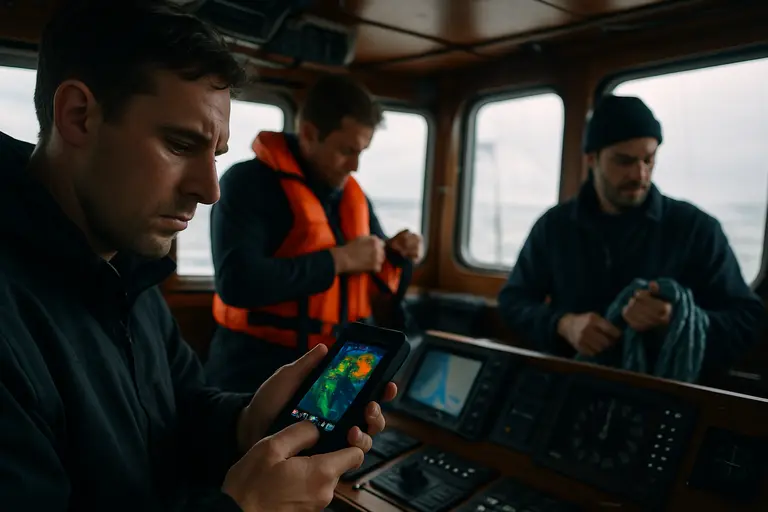
Weather deserves the same caution. The research notes call out water quality, temperature, wind, wave height, and visibility as conditions that can change risk quickly, especially for swimmers and shoreline activities. If those conditions turn against the plan, the safer call may be to delay, reroute, or return to the dock. Permits, patrols, and markers can reduce confusion, but they cannot remove the skipper’s responsibility to operate prudently in the conditions present.
Marine Event Safety is not a single form, buoy line, or radio call. It is a chain of habits: early permit timing for organizers, exact zone checks for skippers, honest weather decisions, sober operation, proper life jacket use, and enough distance from shorelines, beaches, swimmers, and paddlecraft. Chicago’s event waters can be enjoyable and orderly when crews plan with those limits in mind.