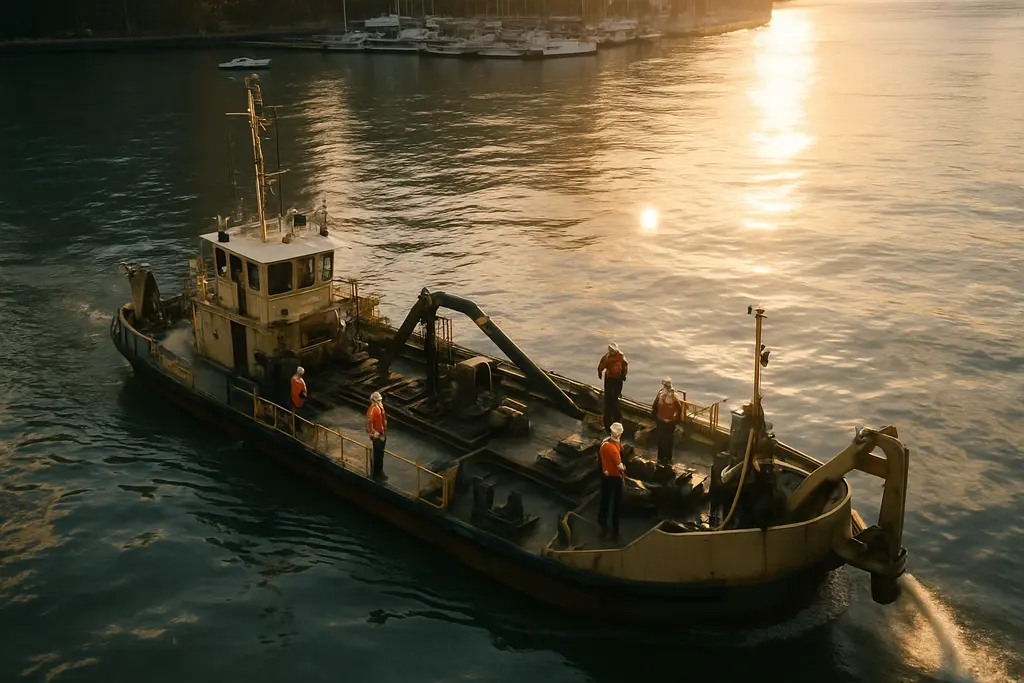
As of October 8, 2026, dredging operations at North Cove Marina on the Hudson River require extra care from recreational boaters, small commercial operators, and crews moving through the lower Manhattan waterfront. The work is reported at North Cove Marina near 40° 42′ 46.4004″ N, 74° 01′ 02.15119″ W, with activity scheduled from October 1, 2026, through October 1, 2027. Daily work hours are reported as 5:00 a.m. to 7:00 p.m., while certain tug and barge movements may occur 24 hours a day, seven days a week.
That schedule matters because a quiet-looking work area can still have moving equipment, submerged gear, divers, or support vessels operating outside normal daylight hours. North Cove Marina is also reported closed to public access except for authorized personnel during the work period. For passing traffic, the safest habit is to treat the area as an active marine construction zone, not as a familiar marina approach that can be handled from memory.
Why Dredging Operations Change Local Passage
These dredging operations involve several pieces of equipment that can affect sightlines, stopping distance, and passing room. Reported equipment includes a work skiff, float stage, divers, a 155-foot by 50-foot barge, and a 150-foot by 37-foot hopper barge. Even if a vessel appears stationary, its anchors, lines, spuds, tender craft, or submerged equipment may extend beyond what is obvious from the helm.
Workboats, Barges, And Divers
The presence of divers is a clear reason to slow down early and avoid last-second course changes. Barges and float stages do not maneuver like small craft, and tugs handling barges may need more room than a recreational skipper expects. A small wake that feels minor aboard your boat can create unsafe movement around workers, ladders, staging, or gear in the water. U.S. Coast Guard Local Notice to Mariners material commonly emphasizes caution around marine construction and dredging areas, including reduced speed and contact with working vessels when appropriate; boaters can review an example of this guidance in a Coast Guard Local Notice to Mariners.
Submerged and partly submerged items deserve the same respect as visible equipment. The research notes report pipelines, anchors, and acoustic receivers on mooring systems that may extend 2 to 3 meters, or about 6 to 9 feet, above the seafloor without surface buoys. That means a route that looks open at the surface may still be unsuitable for cutting close to the work zone, anchoring nearby, or drifting while waiting for traffic to clear.
Dredging Operations Contact Points By VHF
Before entering the immediate area, contact work vessels on VHF-FM channels 13, 16, and 65 through 75, as reported in the current project notice details. Keep the radio call short and practical: identify your vessel, position, direction of travel, and intended passing side. If the work vessel gives passing instructions, repeat the key points so both helms understand the arrangement.
Channel 16 should remain part of your safety watch, but it is not a substitute for a clear passing agreement with the work crew when you are close to their equipment. In a high-traffic area like the Hudson River, a second crew member can help by monitoring the radio, watching astern, and pointing out ferry traffic, wakes, or floating debris while the operator maintains a steady helm.
Safe Passage During Dredging Operations
The safest transit begins before the engine starts. Check the latest official marine notices, review your chart, brief the crew, and decide where you will slow down. If visibility is poor, current is strong, or traffic is heavy, build in more room and more time. A delayed passage is preferable to squeezing between a barge and another vessel with little margin for error.
Speed, Wake, And Passing Distance
Reduce to no-wake speed before you are abeam of the equipment, not after. Treat dredging operations as a moving safety boundary rather than a fixed point on a chart. If tugs and barges are active, your best route may change during the same transit. Avoid crossing close ahead of a tug or barge combination, and do not assume that a workboat can stop or turn quickly to accommodate you.
Use sound and light signals when required by the Inland Navigation Rules and conditions. At night, avoid staring only at bright work lights; they can make smaller craft, unlit obstructions, or the shoreline harder to judge. Assign one person to scan outside the glare if crew size allows. In fog or rain, slow further and be prepared to hold position well away from the work area until you have a clear route and a clear radio exchange.
Safety Zones And Channel Awareness
Regulated safety zones may restrict passage or anchoring unless permission is obtained through the proper channel. Federal Register rules for Hudson River marine events and regulated areas describe how safety zones can limit vessel movement for public safety, and similar caution applies whenever an active zone is announced near marine work; see the relevant Federal Register notice. The research notes indicate that at least one side of the primary navigation channel may be kept clear when safety zones are enforced, but the entire channel can be affected at times.
That uncertainty is why boaters should not rely on an old screenshot, a marina rumor, or a previous day’s track line. Broadcast Notices to Mariners and current Local Notices to Mariners are the practical references to check before departure. If your trip plan depends on marina access, draft clearance, fuel timing, or a backup landing point, review related planning habits such as checking closures before low-water trips, since the same conservative mindset helps around construction zones.
Planning A Transit Past North Cove Marina
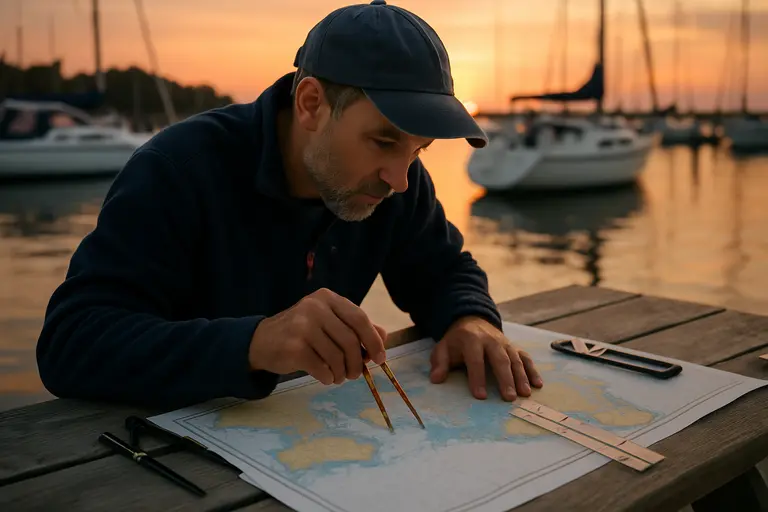
A safe plan for the lower Hudson should account for current, traffic density, ferry routes, visibility, and the possibility that a barge movement may temporarily change the best passing side. Build your plan around what you can verify on the day of travel. If your vessel has limited maneuverability, deep draft, low power, or a high windage profile, allow a wider berth and avoid peak traffic periods when practical.
Crew briefing is often overlooked on short urban passages. Before reaching North Cove, tell passengers to stay seated or hold secure handholds, keep lines and loose gear clear of the deck, and avoid distracting the helm with sightseeing requests. If someone is assigned as lookout, give that person a simple job: report work vessels, floating lines, nearby traffic, and any change in the tug or barge position.
Clubs and crews that keep written float plans or safety handouts should separate official marine updates from general reference material. For clear written materials and educational resources, a related site in our network, Leap Year Publishing, may be useful. However, passage decisions near North Cove Marina should be based on current Coast Guard notices, radio contact, and conditions observed from the helm.
North Cove Marina Dredging Operations Checklist
Use the following checklist as a practical pre-transit reminder. It does not replace official notices, the Inland Navigation Rules, or instructions from work vessels, but it can help recreational crews slow down and communicate before they are too close to the work zone.
- Check the latest Local Notices to Mariners and Broadcast Notices to Mariners before departure.
- Confirm that North Cove Marina remains closed to public access unless you are authorized.
- Plan for tug and barge movement at any hour, including night transits.
- Call work vessels on VHF-FM channels 13, 16, and 65 through 75 before close passage.
- Reduce to no-wake speed well before reaching barges, float stages, divers, or support craft.
- Give submerged pipelines, anchors, and acoustic receivers a wide berth even if no buoy is visible.
- Do not anchor or drift near the work area unless you have confirmed it is safe and permitted.
- Use proper sound or light signals when traffic, visibility, or meeting situations require them.
The practical goal is simple: make your intentions clear early, keep your wake down, and leave the work crew enough room to operate safely. North Cove is a busy and familiar stretch of water for many New York boaters, but active construction changes the risk profile. A careful skipper treats every pass as a fresh assessment, not a routine shortcut.