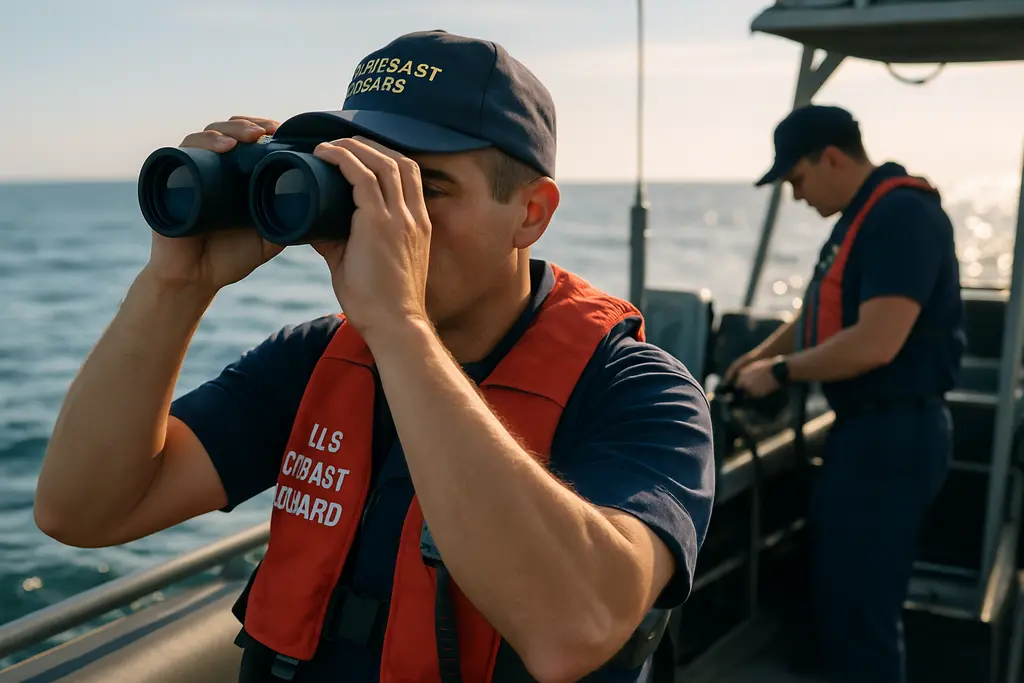
Recent Coast Guard Operations across the East District gave recreational boaters a clear safety reminder: do not treat a paid trip, short harbor ride, or shared passenger outing as casual until credentials, equipment, and operating limits are checked. The safest approach is practical and direct. Before boarding or carrying guests, confirm the captain is properly credentialed, the vessel has the required inspection status for its use, and every person aboard has access to suitable safety gear.
What Recent Coast Guard Operations Show
On September 10, 2026, under Operation Safe Voyage in the East District, Coast Guard crews conducted 114 safety boardings and terminated seven voyages, including two active illegal passenger-for-hire operations, according to a Coast Guard release. The same release stated that since 2021, the Coast Guard has initiated more than 414 enforcement actions nationwide and proposed nearly $10.6 million in initial civil penalties against unlawful charter operators.
Those figures matter to everyday boaters because the risk is not limited to operators who advertise large party trips. A small vessel carrying paying passengers can still create serious exposure if the operator lacks the right credential, if the vessel is not inspected when required, or if required equipment is missing. These Coast Guard Operations also show that enforcement is not confined to a holiday weekend. Boaters should expect safety boardings and passenger-for-hire checks to remain part of normal activity on busy waterways.
Coast Guard Operations And Charter Red Flags
The most useful lesson for passengers is simple: ask questions before stepping aboard. The Coast Guard has advised passengers to ask to see the captain’s Merchant Mariner Credential, and to verify that vessels carrying more than six paying passengers have a valid Coast Guard Certificate of Inspection. A passenger should also be wary if an operator will not show credentials, offers a price that seems unusually low, or presents a bareboat arrangement while limiting the renter’s freedom to choose the captain.
For private boat owners, the lesson is just as direct. Do not accept payment, split costs in a way that changes the nature of the trip, or advertise passenger service without understanding the requirements that apply. This article is not legal advice, and vessel operators should contact the Coast Guard or qualified maritime counsel for situation-specific questions. From a safety standpoint, though, the core habit is clear: if a trip starts to look like a passenger-for-hire operation, pause before leaving the dock.
Why One Harbor Tragedy Matters
On August 9, 2026, a 22-foot speedboat capsized in New York Harbor, killing a mother and her 5-month-old baby; investigators said the vessel was an illegal charter that was overcrowded and lacked required safety equipment, credentials, and inspections, as reported by AP News. That case should not be used to guess at conditions on every paid trip, but it does show why credential checks and equipment checks are not paperwork exercises. They are barriers against preventable harm.
Overcrowding changes how a small boat handles, especially during wakes, turns, and sudden weather shifts. Missing life jackets reduce survival options when people enter the water unexpectedly. Lack of inspection removes an independent safety check from the process. The practical value of Coast Guard Operations is that they bring these issues to the surface before a voyage turns into an emergency.
Pre-Boarding Checks For Paid Trips
Passengers do not need to become marine inspectors to make safer choices. They do need to slow the boarding process enough to verify the basics. If an operator rushes the group, dismisses questions, or says documents are not available, that is enough reason to step back and reconsider the trip. A safe operator should be prepared for reasonable questions about credentials, passenger count, and emergency gear.
- Ask to see the captain’s Merchant Mariner Credential before departure.
- If more than six paying passengers will be aboard, ask whether the vessel has a valid Certificate of Inspection.
- Confirm there is a wearable life jacket for every person aboard, with appropriate sizing for children.
- Ask where emergency gear is stored, including signaling equipment and fire extinguishers.
- Check the forecast, route, expected return time, and how the operator will communicate if conditions change.
- Walk away from operators who refuse basic safety questions or pressure passengers to board quickly.
Boaters who want a deeper safety checklist for this exact concern can review these illegal charter safety checks and compare them with the questions they ask before a paid outing. Though not a substitute for maritime credential verification, general hiring or staffing resources, such as Alliance Recruitment, offer useful insights into the hiring process.
Maintenance Habits That Support Safe Boardings
Even boaters who never carry paying passengers can learn from the inspection mindset behind enforcement boardings. A recreational boat may be fully lawful for private use and still be poorly prepared for an emergency if maintenance has slipped. The best time to find a weak battery, expired flare, damaged life jacket, or stiff seacock is at the dock, not after the engine stalls in a channel.
Set a recurring routine before busy weekends. Check that bilge pumps activate, batteries are charged, navigation lights work, fuel levels match the trip plan, and lines are ready for docking or towing assistance. Inspect life jackets for broken buckles, torn fabric, and missing labels. If children will be aboard, confirm the fit before leaving the slip. A child’s life jacket that is aboard but not wearable is not a meaningful safety measure.
Keep the helm area organized. A boarding officer, guest, or crew member should be able to locate registration documents, a sound-producing device, fire extinguishers, and emergency contacts without emptying lockers. This also helps the operator stay calm during a real problem. Disorder costs time, and time matters when a boat is drifting, taking on water, or trying to communicate in a crowded harbor.
Route Planning And Passenger Limits
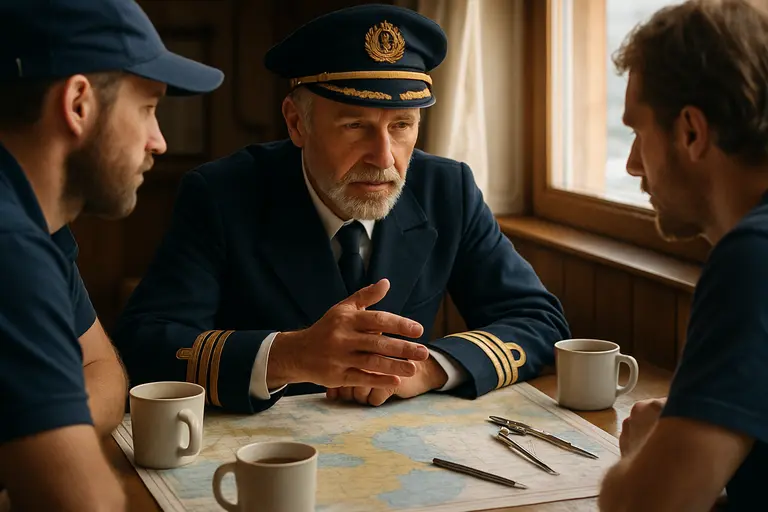
Safe operation starts before the engine turns over. Match the route to the vessel, the crew, the forecast, and the most vulnerable person aboard. A route that is reasonable for an experienced crew on a calm morning may be a poor choice with children, first-time passengers, or rising wind against tide. Avoid using a schedule, reservation, or social pressure as the reason to continue when conditions no longer fit the plan.
Passenger count deserves special attention. Do not treat capacity as a target. More people aboard can reduce free movement, block access to equipment, and make balance harder in wake zones. If coolers, bags, and folding chairs are added to the deck, the working space shrinks further. A conservative passenger plan leaves room for people to sit safely, move toward life jackets, and assist without crowding the helm.
Communication also belongs in the plan. Tell someone ashore the departure point, route, destination, and expected return time. Carry charged communication equipment and know which channel or number is appropriate for the area. If the trip involves unfamiliar waters, review bridge clearances, no-wake zones, current, and local traffic patterns before departure. Coast Guard Operations may focus on enforcement, but the same habits support calmer private boating.
Coast Guard Operations Safety Plan
A practical response to recent Coast Guard activity is not fear; it is preparation. Before any trip, confirm the voyage type, the number of passengers, the safety gear, and the operator’s qualifications. Before any paid trip, ask for credentials and inspection proof when required. Before carrying guests on a private boat, inspect the vessel as if someone else were about to ask where every safety item is stored.
These steps do not guarantee a safe day on the water. Weather can change, equipment can fail, and people can make poor decisions under pressure. Still, preparation gives boaters more options when conditions shift. The clearest takeaway from Coast Guard Operations is that safe boating depends on visible, repeatable habits: verify before boarding, maintain before departure, respect passenger limits, and leave the dock only when the boat and crew are ready.