- Consistent cleaning extends product life significantly.
- Proper protection prevents fading along with structural damage.
Keeping your boat or patio furniture in good shape takes regular effort. High-quality materials face tough conditions like salt water and strong sunlight. Regular fabric cleaning helps keep them looking great for years.
Sunlight can quickly fade or weaken delicate fibers without the right defenses. Investing in quality UV protection prevents premature aging and structural failure. This essential care routine keeps your investment both functional and attractive.
Mold and mildew often plague outdoor settings where moisture lingers. You need the right tools to tackle these stubborn issues effectively. Regular care preserves the soft feel while maintaining the durability of your gear.
Selecting the correct products makes a massive difference in long-term results. Harsh chemicals might damage the surface instead of helping. Professional advice can save you time and money when dealing with extensive damage.
Keeping your outdoor space inviting takes more than just a basic rinsing. Focus on detailed attention to ensure everything remains in top condition for visitors. Your boat or deck will look superb throughout every season.
Best Practices for Cleaning Canvas and Upholstery
Cleaning your boat’s canvas is more than just a quick spray with a hose. It’s about gentle care to keep your boat in top shape. Regular rinsing with fresh water stops salt crystals from damaging the fibers.
For deep cleaning, use mild detergents, not harsh chemicals. Woolite or a mix of Dawn and lukewarm water works well. Avoid bleach or ammonia to prevent damage and fading.
While cleaning, check seams and high-tension areas for damage. Fixing a small snag early can prevent big problems. Clean stains right away to avoid more work later.
Understanding Different Fabric Types
Marine materials vary, and treating them all the same can be a mistake. Modern boats use acrylics and vinyls for comfort and durability. Knowing your fabric ensures safe and effective cleaning.

Sunbrella is great for covers and tops because it’s breathable and UV-resistant. But, it needs a special finish to repel water. The wrong soap can ruin this finish, leading to costly repairs.
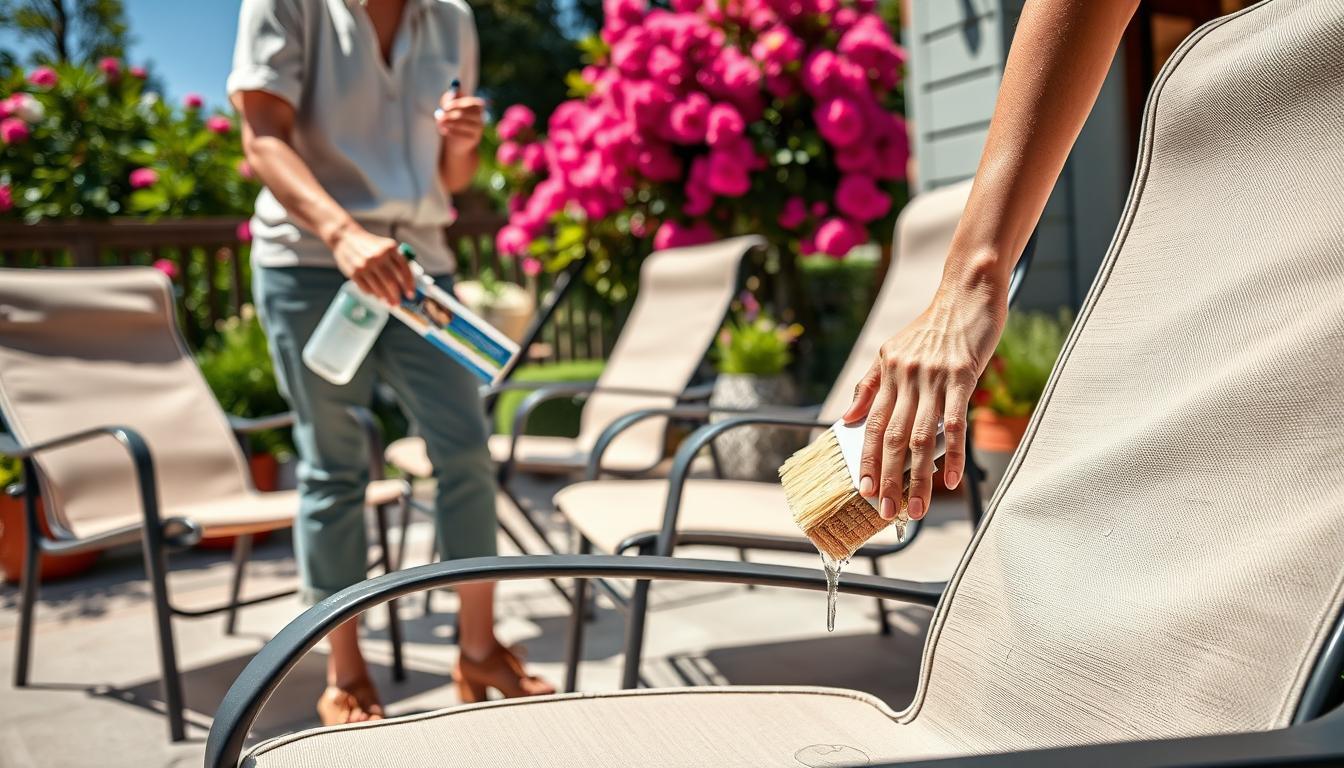
Vinyl upholstery needs a different approach. It’s non-porous and can get moldy if wet. Use a soft brush to clean without damaging the surface. Fix punctures with a vinyl mending kit to avoid water damage.
Here are key steps for cleaning:
- Rinse the surface with cool, fresh water to remove debris.
- Apply a mild soap solution with a soft sponge or microfiber cloth.
- Scrub gently in a circular motion, focusing on stains.
- Flush the fabric with water until all soap is gone.
- Air dry the material fully before folding or covering the boat.
Sticking to a cleaning schedule keeps your boat looking new. Use the table below to find the best cleaning method for your boat’s materials.
| Fabric Type | Best Cleaning Agent | Key Benefit | Maintenance Tip |
|---|---|---|---|
| Sunbrella (Acrylic) | Mild Soap / Water | Breathable & UV Resistant | Retreat with 303 Fabric Guard |
| Marine Vinyl | Vinyl-Safe Cleaner | Waterproof & Durable | Apply UV protectant monthly |
| Polyester Canvas | Gentle Detergent | High Tear Strength | Check for abrasion at corners |
| Clear Vinyl (Eisenglass) | Specialized Clear Cleaner | Optical Clarity | Never use Windex or alcohol |
Tackling Mold and Mildew on Marine Fabrics
Spotting dark spots on your upholstery can ruin a day on the water. These marks usually mean mold or mildew has started to grow. Acting quickly is the only way to save your fabric from permanent damage.
High humidity and trapped moisture create the perfect home for these fungi. You must inspect your canvas regularly to catch these issues early. Once mold takes root, it can spread across your entire vessel in just a few days.
Applying high-quality UV protection sprays can help your fabric stay resistant to these growths. Stronger, treated fabrics are less likely to trap the organic matter that mold feeds on. This simple step keeps your boat looking fresh and smelling clean.
If you find a hole or a loose seam, a quick tear repair is essential. Open gaps allow water to seep into the foam or the underside of the canvas. This trapped water is very hard to dry out and becomes a breeding ground for mildew.

Prevention and Treatment Methods
You can often treat small areas of mildew with simple household items like white vinegar. Mix a solution of water and vinegar to spray on the affected spots. Let it sit for a few minutes before scrubbing gently with a soft brush.
For tougher stains, you may need a marine-approved mildew remover. These products are designed to kill the fungus without destroying the waterproof coating on your canvas. Always rinse the area thoroughly with fresh water after cleaning.
Proper storage is the best way to prevent mold from returning. Make sure your canvas is completely dry before you fold it or put it away. Storing your gear in a well-ventilated area ensures that any remaining moisture evaporates quickly.
If you ignore a small rip, you might face a much larger problem later. A timely tear repair keeps the structural integrity of your fabric intact. It also prevents moisture from hiding in places where UV protection cannot reach.
| Treatment Method | Best For | Pros | Cons |
|---|---|---|---|
| White Vinegar | Light Mildew | Eco-friendly and cheap | Strong scent |
| Marine Cleaner | Deep Stains | Very effective | Can be expensive |
| Ventilation | Prevention | Stops growth naturally | Requires space |
| Fabric Protectant | Long-term Care | Adds UV resistance | Needs reapplication |
Tips for Repairing Tears and Holes
Keeping your boat’s canvas in good shape often means fixing small tears before they get worse. Check your fabric every few weeks for small snags. Look closely at areas near metal frames or snaps, where friction can cause damage.
Learning how to fix tears is key to keeping your boat looking great for years. Always clean the area around the tear thoroughly before starting. This step helps adhesives or patches stick well to the fabric.
Using the right tools is important for lasting repairs. Marine-grade polyester thread is essential because it withstands UV rays and saltwater. Adhesive patches are great for quick fixes on small holes that don’t need a lot of stitching.
| Repair Material | Best Application | Key Benefit |
|---|---|---|
| Marine-Grade Thread | Seam failures and large rips | High UV and rot resistance |
| Adhesive Patches | Small punctures and nicks | Creates a fast waterproof seal |
| Tear-Aid Tape | Emergency field repairs | Extremely flexible and strong |
DIY Repair vs. Professional Assistance
Choosing between fixing it yourself or getting a pro depends on the damage. Small nicks and minor tears are easy to fix at home. You can apply a patch or do simple stitches with a needle and palm.
But, some problems need a pro’s tools and know-how. If a seam has failed or the fabric is brittle, a simple patch won’t do. Get a professional for these issues:
- Extensive structural damage across large panels.
- Replacement of clear vinyl windows that have cracked.
- Complete restitching of zippers or heavy-duty fasteners.
Always clean your fabric one last time after fixing it. Regular tear repair and care will keep your marine upholstery looking new all season.
Protecting Fabric from UV Damage
Understanding how sunlight affects canvas materials is key to protecting your investment. Sunlight warms us but also carries UV rays that harm fabric. These rays break down synthetic fibers, causing them to degrade.
As this happens, your fabric may fade or look dull. The sun also makes it brittle and prone to tears. Regular fabric cleaning helps remove dirt and salt that can make damage worse.
To keep your boat looking new, you need to protect it from the sun. Use special coatings and barriers to shield it. Regular care today saves money on repairs tomorrow.
Understanding UV Protection Methods
Today, there are many ways to protect marine fabrics. Applying a UV protection spray is a common method. These sprays create a barrier that reflects UV rays away from the fabric.
Physical shading devices like bimini tops also help. They block the sun and protect your seats. Using a cover when not in use doubles your upholstery’s life.
| Protection Method | Primary Benefit | Maintenance Level |
|---|---|---|
| UV protection Sprays | Blocks radiation & maintains color | Apply every 3-6 months |
| Physical Covers | 100% shade and debris defense | Daily use required |
| Routine fabric cleaning | Removes heat-trapping dirt | Monthly or after use |
Also, consider where you park your boat. Store it in a covered slip or dry stack to avoid direct sunlight. This helps keep your canvas protected from UV rays.
Remember to clean your fabric before applying any protectant. A dirty surface can trap dirt and cause mold or stains. Always clean and dry your fabric first for the best results.
Off-Season Storage and Protection
Storing boat canvas right during winter saves you from expensive repairs. Moisture is the biggest threat to marine fabrics. Dirt and salt can damage fibers if not cleaned for months.
Preparing for Winter Storage
Begin with a deep clean using Star brite Sail and Canvas Cleaner. Ensure every surface is dry before folding. Water trapped in fabric can cause mold, harming vinyl and Sunbrella.
Check the seams for wear. Fix any tears with a Speedy Stitcher or Tear-Aid patches before storage. This stops small holes from getting bigger in cold weather. Regular repairs keep your covers strong.
Apply 303 Marine Aerospace Protectant for UV protection. Store items in breathable canvas bags, not airtight bins. This keeps air flowing and the material fresh. Good UV protection stops fabric from becoming brittle in storage.
Regular cleaning keeps your investment going strong for years. Store bags in a cool, dry place like a climate-controlled garage. Your boat will be ready for spring.