Good boating safety resources help a crew turn national accident lessons into simple habits before leaving the dock. The Safe Boating Campaign materials described in the research—flyers, fact sheets, infographics, public service announcements, and topic toolkits—are most useful when they lead to action: wearing life jackets, choosing a sober operator, checking equipment, and reviewing basic rules with everyone aboard.
Boating Safety Resources And The 2024 Risk Picture
The U.S. Coast Guard’s 2024 data gives boaters a clear reason to treat preparation as routine, not optional. In calendar year 2024, there were 3,887 verified recreational boating incidents in the United States, with 556 deaths, 2,170 injuries, and about $88 million in property damage, according to the 2024 Recreational Boating Statistics. The reported fatality rate was 4.8 deaths per 100,000 registered recreational vessels, down 2% from the 2023 rate of 4.9.
Why Boating Safety Resources Should Start With Life Jackets
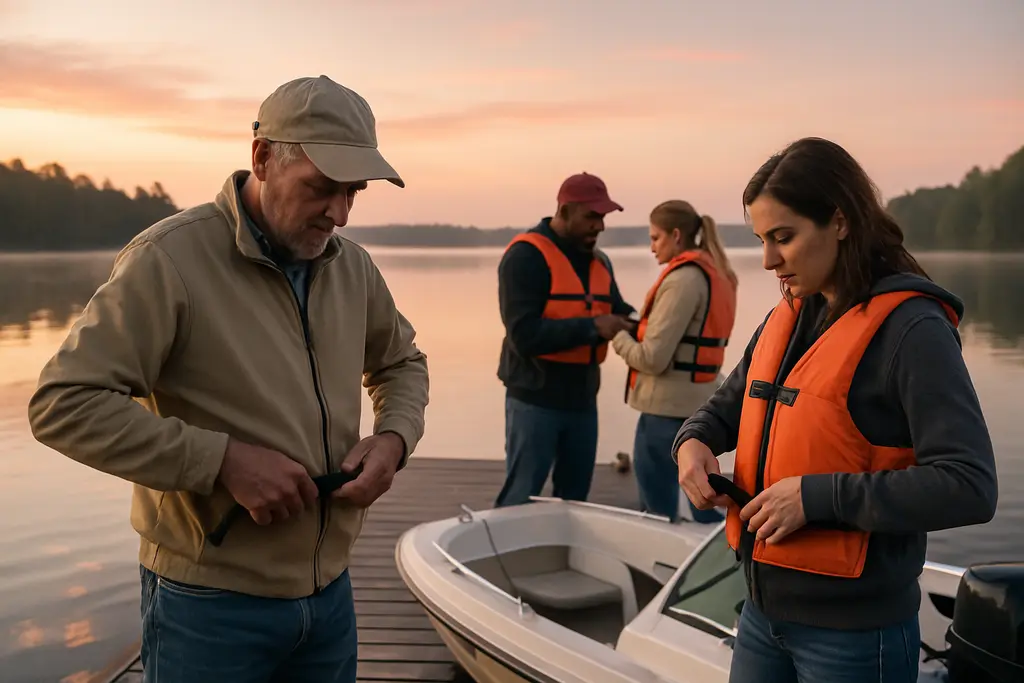
Life jacket use deserves first billing in any dockside talk. The 2024 Coast Guard data reported that drowning accounted for 76% of all boating fatalities. Among drowning victims whose life-jacket use was known, 87% were not wearing one. That single pattern points to a practical rule for every recreational crew: a life jacket stored under a seat is not the same as a life jacket worn on deck.
The National Safe Boating Council also reports that about 80% of drowning boaters were using vessels less than 21 feet long, and that where known, 69% of deaths occurred on vessels whose operators had no boating safety instruction. Only 19% of deaths were on vessels operated by someone with nationally approved boating safety credentials, as shown in the council’s recreational boating facts. These figures do not mean larger boats are free of risk. They do show why small-boat operators, paddlers, families, and guests need clear reminders before launch.
Turning Numbers Into Dockside Decisions
Statistics should not sit in a report once the season starts. They should shape a short, repeatable departure routine. A skipper can post a life jacket reminder near the companionway, keep a printed safety briefing in the cabin, and use campaign fact sheets as prompts for crew conversations. If your club or marina writes local handouts, keep the language plain and verify all safety claims against official boating sources; a related site within the network, like Top Ten Writing Services, can offer good general writing advice, but boating safety details should always align with recognized authorities.
Using Campaign Materials Before Leaving The Dock
The Safe Boating Campaign resources described in the research cover several formats: downloadable flyers, social media assets, fact sheets, infographics, radio and video PSAs, and toolkits on life-jacket safety, cold-water boating, navigation rules, and related topics. Those formats can serve different audiences. A marina bulletin board may benefit from a one-page reminder. A yacht club safety meeting may need a fact sheet. A family preparing for a weekend trip may need a short checklist taped near the helm.
Match The Resource To The Crew
Not every crew learns the same way. A new passenger may need a brief spoken explanation of where life jackets are stored and when to wear them. A new operator may need formal boating safety instruction. A group heading out in cool weather may need a cold-water reminder before anyone steps aboard. The point is not to overwhelm people with paperwork; the goal is to match boating safety resources to the decisions that prevent trouble.
For a practical connection between education and local preparation, clubs can pair national materials with their own vessel checks and meeting routines. Related local safety education is often easier to apply when it is tied to launch ramps, marinas, and common trip patterns; see this discussion of boating safety programs for ways crews can connect instruction, equipment habits, and trip planning.
Keep The Message Short And Repeatable
A useful safety message should survive a windy dock, an excited crew, and a tight departure window. Instead of giving a long lecture, focus on a few points that apply to the trip in front of you: wear the correct life jacket, keep a sober operator, stay seated during higher-speed operation, respect propeller danger, and know how to call for help. Repetition builds recall. A short reminder before every trip is often more useful than a long talk once a year.
- Ask each person to show that their life jacket fits and is ready to wear.
- Name the sober operator before departure, not after problems begin.
- Review where safety equipment is kept and who can reach it quickly.
- Keep people clear of the stern and propeller area before starting or shifting.
- Use weather, water temperature, and daylight as go-or-delay factors.
Safety Lessons From Alcohol, Propellers, And Vessel Type
The research highlights several hazards that deserve regular attention. Alcohol use was the leading known contributing factor in fatal recreational boating incidents in 2024, causing 92 deaths, about 20% of all fatalities. That finding supports a direct operating standard: the person in control of the boat should be sober, rested, and able to make conservative choices.
Propeller strikes also remain a serious concern. The research reports that propeller strikes were involved in 169 incidents in 2024, causing 30 deaths and 158 injuries. This is where routine crew control matters. Before starting the engine, shifting into gear, or bringing a swimmer back aboard, the operator needs positive awareness of people in the water and near the stern. Passengers should not sit on swim platforms while underway, and the crew should treat the area around the propeller as a danger zone any time the engine may start.
Vessel type can also shape the message. The research notes that, where data were available, open motorboats accounted for 47% of incident vessel types, personal watercraft for 19%, and cabin motorboats for 14%. It also notes that the vessel types with the highest relative deaths included open motorboats, paddlecraft such as canoes, kayaks, and stand-up paddleboards, and pontoons. These categories cover many ordinary recreational outings, which is exactly why campaign reminders should not be reserved for offshore passages or severe weather days.
Building A Practical Resource Routine
Boating safety resources work best when they become part of a routine that is easy to repeat. A captain might review one topic per month at a club meeting, such as life jacket fit in May, sober operation in June, propeller awareness in July, and cold-water risk before late-season trips. A marina might rotate printed reminders at the fuel dock. A family might keep one laminated departure card aboard and refresh it when guests change.
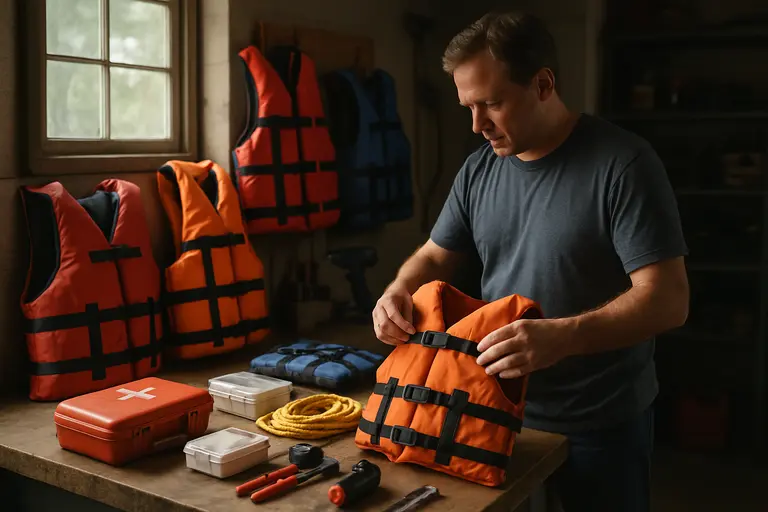
Maintenance belongs in this routine as well, though the research here focuses on safety resources and accident data rather than mechanical procedures. Before relying on any vessel, inspect safety equipment, confirm required gear is aboard, and address obvious maintenance concerns before launch. If something affects control, visibility, flotation, communication, or fire safety, delay the trip until the issue is understood and corrected by a qualified person when needed.
One useful habit is to separate trip planning into three questions: Is the boat ready, is the operator ready, and is the crew ready? The first question covers equipment and vessel condition. The second covers sobriety, instruction, fatigue, and weather judgment. The third covers life jackets, passenger behavior, and emergency awareness. That simple structure keeps boating safety resources from becoming a pile of papers and turns them into decisions.
Essential Resources From The Safe Boating Campaign
The strongest use of Safe Boating Campaign materials is local, practical, and repeated. Choose resources that fit the boats people actually use, the water they actually cross, and the crews they actually bring aboard. A paddling group may need life jacket and cold-water reminders. A powerboat crew may need sober-operation and propeller-awareness prompts. A mixed marina community may need short messages that work for small open motorboats, personal watercraft, pontoons, and cabin boats.
No campaign handout can remove all risk from the water, and national statistics cannot predict the outcome of a single trip. Still, the 2024 data points in a clear direction. Wear life jackets, especially on smaller vessels. Get boating safety instruction. Keep alcohol away from vessel operation. Control passengers around engines and propellers. Use boating safety resources as a standing part of pre-departure planning, not as seasonal decoration. Safe trips start with ordinary habits repeated before trouble has a chance to grow.