As a sailor and safety blogger, I look at boating safety programs as practical dockside tools, not paperwork. A good local program helps crews turn national accident lessons into habits they can use before leaving the slip: wearing life jackets, choosing a sober operator, checking the boat, and taking recognized instruction. The value is local because the work happens where people launch, paddle, fuel, teach, and gather after a day on the water.
Why Boating Safety Programs Matter Locally
Recreational boating safety improved in 2024, but the remaining risks were still serious. The U.S. Coast Guard reported 556 boating-related fatalities in 2024, the fewest in more than 50 years, down from 564 in 2023. The 2024 fatality rate was about 4.8 deaths per 100,000 registered recreational vessels, compared with 4.9 in 2023. The same Coast Guard release reported that alcohol accounted for 92 deaths, about 20% of total boating fatalities, and that boaters without completed safety instruction were involved in about 70% of 2024 boating deaths Coast Guard report.
What Boating Safety Programs Can Change
Good boating safety programs cannot control the weather, guarantee judgment, or remove every hazard. Their strength is repetition. A club, marina, paddling group, or local nonprofit can repeat the same core messages until they become normal: take a course, wear the life jacket, stay sober, and check the vessel before the outing. Those messages match the risk areas shown in the Coast Guard figures without pretending that one class or one inspection can solve every problem.
Local programs also create a shared language. If every guest hears the same departure briefing, every new paddler sees the same life jacket reminder, and every skipper is encouraged to complete safety instruction, the community becomes easier to brief and easier to manage. That matters on crowded ramps, at youth sailing sessions, during informal raft-ups, and at club events where guests may not know what experienced boaters take for granted.
Read The Risk Signals Before The Trip
The research points to several signals that local groups should not ignore. Alcohol remained a leading contributor to fatal boating accidents in 2024. Safety instruction was absent in many fatal cases. Drowning has caused about 75–80% of boating deaths over the past decade, and among those drowning, 83–87% were not wearing a life jacket. Paddlecraft also deserve close attention: canoes, kayaks, rowboats, and stand-up paddleboards made up 27.2% of boating deaths in 2024, and stand-up paddleboard deaths reached 29.
Those figures do not mean every local program must look the same. A yacht club with mostly sailboats may need a different calendar than a lake association with many paddlers. Still, the priorities are consistent enough to shape a practical plan: education, life jackets, sober operation, vessel checks, and clear communication before people launch.
Turn Community Resources Into Safer Habits
A local safety effort works best when it meets boaters where they already are. That may be a launch ramp, club meeting, marina service day, youth program, or paddling meetup. The goal is not to lecture from a distance. The goal is to make safer choices easier before the crew is tired, the ramp is busy, or weather pressure narrows everyone’s attention.
Vessel Checks And Education Events
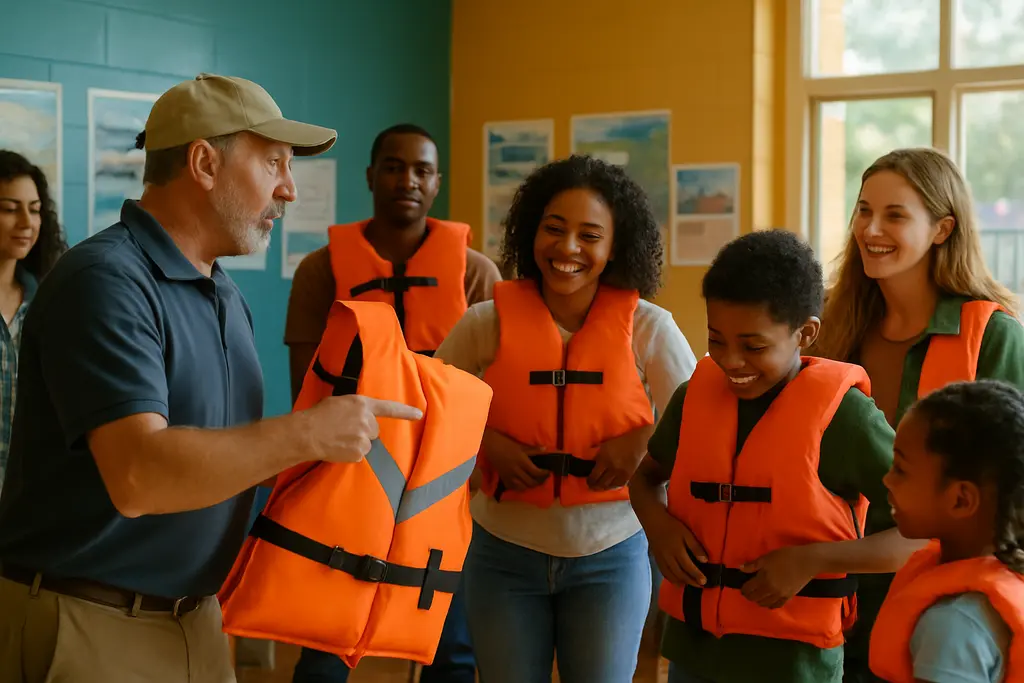
From May 14–24, 2026, the U.S. Coast Guard Auxiliary and West Marine held free Vessel Safety Checks at select West Marine stores nationwide as part of National Safe Boating Week programming. National Safe Boating Week ran from May 16–22, 2026, with “Wear Your Life Jacket at Work Day” on May 15. Local boating clubs and organizations hosted vessel checks, life jacket demonstration events, and proclamation signings during that period.
For local crews, the lesson is simple: do not wait for a national campaign to copy the useful parts. A club can set a spring inspection day, a mid-season education night, and a fall debrief. Keep the format short enough that people attend, but specific enough that they leave with a safer plan. If your area already has a state course requirement or a recognized boating education option, point members to that path rather than creating informal substitutes.
Life Jackets And Paddlecraft Outreach
Life jacket access matters, especially where guests, children, and new paddlers show up without the right gear. The Sea Tow Foundation’s 2026 Life Jacket Loaner Program had a February 28, 2026 deadline. Since launching in 2008, the program has helped establish more than 1,300 Life Jacket Loaner Stations nationwide and has distributed more than 106,000 life jackets. A loaner station is not a replacement for owning properly fitted equipment, but it can reduce the chance that someone launches without one.
- Place life jacket reminders where people make decisions: near sign-in sheets, launch areas, and event checklists.
- Include paddlers in safety briefings, not only powerboat and sailboat operators.
- Ask trip leaders to confirm who is operating sober before departure.
- Encourage course completion before assigning people to operate a vessel or lead a group outing.
Alcohol risk also deserves plain wording. If a crew member shows unsafe signs before or during a trip, observers should respond early rather than hoping the issue fades. For practical observer steps, I would point local organizers to this related discussion of impaired boating signs, especially for planning sober-operation expectations before a gathering begins.
Build A Local Safety Calendar
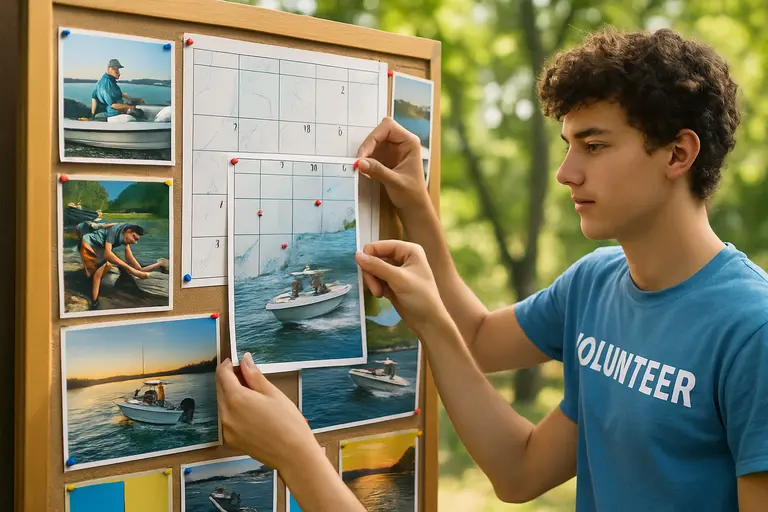
A calendar turns good intentions into visible routine. Instead of one annual reminder, build a steady rhythm that matches the local boating season. The schedule can be modest: one pre-season education push, one vessel check opportunity, one life jacket event, one sober-boating reminder before peak summer weekends, and one year-end review of incidents, near misses, and participation.
Make Messages Clear And Verifiable
Safety communication should be short, sourced, and easy to repeat. Avoid dramatic claims that cannot be checked. Use Coast Guard statistics when discussing national risk, and use local rules or official course information when explaining requirements. If your club’s website sits within a broader community publishing effort, remember to keep specialized content like writing service comparisons separate from core boating-safety messages, which need validation from official authorities.
Clear wording helps volunteers, too. A dock volunteer should not need a long script to explain why life jackets matter or why a sober operator must be chosen before departure. Give them two or three approved talking points and a place to send people for course information. If the message cannot be repeated accurately at the ramp, it is probably too complicated.
Use Funding Carefully
Some community projects may need outside support. The FY2026 Coast Guard Nonprofit Recreational Boating Safety Grant Program listed total funding of $6,592,499, with awards ranging from $50,000 to $600,000 for eligible nonprofit recreational boating safety projects federal grant listing. That kind of funding can support larger efforts, but it is not guaranteed, and it should not be treated as a substitute for local planning.
Before applying for or building any funded project, define the safety problem in plain terms. Is the issue low course completion, weak life jacket use, limited paddlecraft outreach, or poor event communication? A focused project is easier to explain and easier to assess. It also reduces the risk of spending time on activities that look busy but do not match the known accident patterns.
Boating Safety Programs In Daily Club Practice
The best boating safety programs show up in ordinary routines. They are visible in the way skippers brief guests, the way youth instructors size life jackets, the way paddling leaders include new participants, and the way event organizers choose sober operators before the first line is cast off. None of these steps replaces personal responsibility, but each one makes safer behavior easier to choose.
Keep The Crew Plan Simple
A practical crew plan should answer a few direct questions before departure. Who is operating? Has that person completed appropriate safety instruction? Who is responsible for guests? Is everyone wearing or carrying the right life jacket for the activity? Has alcohol been removed from the operator’s role? If a local event cannot answer those questions, the plan needs more work before the boat leaves.
- Start each outing with a short safety briefing.
- Use course completion as a normal expectation for operators.
- Pair vessel check events with life jacket education.
- Include paddlecraft in club safety planning.
- Review sober-operation expectations before social events on the water.
Review What Worked After Each Outing
After a cruise, regatta support day, youth session, or paddling event, take ten minutes to ask what worked and what did not. Did guests understand the briefing? Were life jackets easy to find and fit? Did anyone seem unsure about operator responsibilities? Were new paddlers included in the same safety culture as larger-boat crews?
Local recreational boating safety is built through these small reviews. National data can point us toward the biggest risks, but community habits determine what happens at the dock. Keep the program practical, keep the facts sourced, and keep the message steady: safer crews are built before the trip begins.