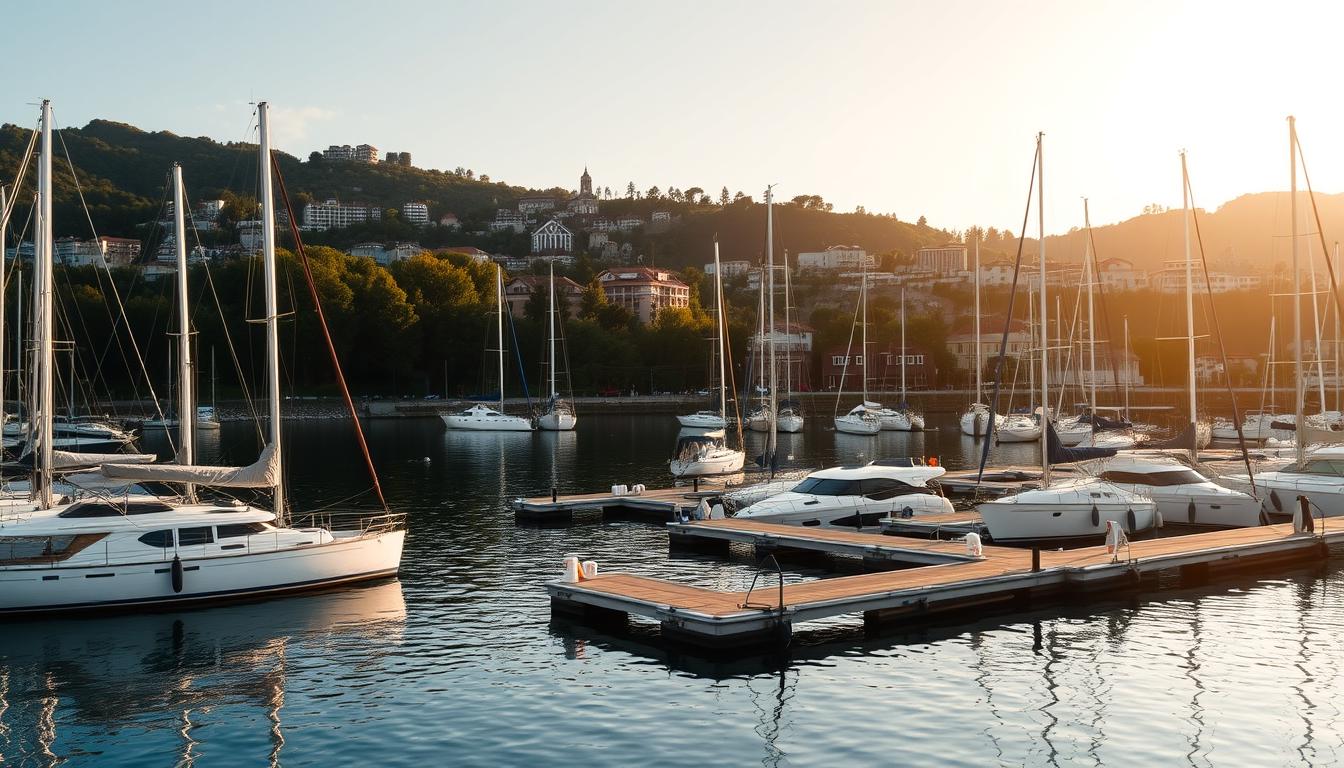
Choosing between dropping anchor and docking at a marina is like deciding between camping under the stars and checking into a luxury hotel. Some boaters treat their anchor like decorative chrome, while others get dock anxiety worse than seasickness.
Confident cruisers approach this choice with the same deliberation as picking between a Michelin-star restaurant and that amazing food truck. It’s not just about metal hitting bottom – it’s about understanding the delicate dance between freedom and security.
We’ll explore why proper marina anchorage requires more than just throwing equipment overboard. From scope ratios that separate pros from amateurs to tidal calculations that prevent midnight adventures, these anchorage tips transform anxiety into confidence.
Think of it as the nautical version of “should I Uber home or crash on your couch?” The answer lies in preparation, not panic.
Understanding Local Regulations
Maritime regulations are like urban planning for the ocean. They’re based on international treaties that are like legal poetry. Your right to anchor ends where someone else’s right to safety begins.
The COLREGs are like traffic laws for the sea. They cover everything from displaying a black ball to using lights to show you’re anchored. These rules help prevent collisions at sea.
Safe anchoring means more than just not dragging your anchor. It’s about telling other boats you’re not moving. The black ball during the day and the anchor light at night are your signals.
Commercial shipping lanes are like highways on the sea. Anchoring here is like setting up a picnic on I-95. The United Nations Convention on the Law of the Sea (UNCLOS) sets these rules to keep everyone safe.
| Regulation Type | Daytime Requirement | Nighttime Requirement | Purpose |
|---|---|---|---|
| Anchored Vessel | Black ball shape | All-round white light | Indicates stationary position |
| Commercial Lane | No anchoring signs | Flashing red lights | Marks prohibited zones |
| Sound Signals | One short blast | Five-second bell ringing | Warning during reduced visibility |
| Restricted Areas | Yellow buoys | Yellow flashing lights | Military or environmental zones |
Sound signals are like a safety net in fog. They tell other boats where you are. The rules cover everything from bell ringing to horn blasts.
Knowing who has jurisdiction is key. The perfect cove might be under state, federal, or international law. Marine police love to teach boaters about these rules.
Following these rules is important. They help avoid accidents and show respect for the sea. It’s like following traffic laws but on the water.
Mariners should see regulations as a guide, not a strict rule. Knowing the rules lets you enjoy the sea without worries. It’s like adding flair to a recipe while following the basics.
How to Choose a Safe Anchorage
Finding the right anchorage is like dating. You need to spot the warning signs, check if you’re compatible, and avoid scams. But, your boat’s safety is at stake.
Getting boating advice means knowing not all anchorages are the same. It’s not just about the view. You’re choosing a temporary home that must face nature’s challenges.

Anchor Selection and Performance
Your anchor choice is critical. Different bottoms need different anchors:
- Danforth anchors: Great for sandy bottoms, like the Florida Keys
- Bruce anchors: Ideal for muddy bottoms
- Ultra anchors: Versatile for various bottoms
Anchor weight is important, but not everything. Design and setting matter more than just size. A well-chosen anchor usually outperforms a heavy one.
The debate on all-chain vs chain-rope is ongoing. Chain adds weight and protects against chafe, while rope is lighter and cheaper. Use enough chain for horizontal pull, then rope for the rest.
Scope Calculations and Tide Considerations
Scope ratios are key to anchoring. They’re like setting boundaries in a relationship:
- 5:1 ratio: Good for daytime, calm conditions
- 7:1 ratio: Suitable for overnight stays
- 10:1 ratio: Best for stormy weather
Tidal calculations are vital. Don’t rely on tide tables alone. Always plan for high tide and storm surge.
Swing room analysis is about space. Calculate your movement circle based on scope length. Make sure there’s enough room for your boat and others.
Snubbers act as shock absorbers. They help reduce stress on your anchor and boat, making nights and storms more comfortable.
Bitter end safety is your last line of defense. A well-secured final few feet of line can save your boat in emergencies. It’s like having an emergency fund.
Remember, boating advice stresses that your anchor’s quality is only as good as your technique. Even the best equipment won’t save you without proper use and attention.
Weather Forecasting for Anchorages
Knowing the weather can make or break your night at anchor. It’s not just about rain. It’s about understanding wind, tides, and pressure systems around your spot.
Today’s tech gives us apps that predict the weather well. But, knowing how these predictions affect your location is key. Will the wind make your anchorage a washing machine? Does the tide change when the storm hits?
Storm Preparation Techniques
When the forecast looks bad, you need to get ready. Storm anchoring is more than just dropping more chain. It’s a strategic plan.
The V-configuration anchor setup is your first defense. Two anchors at 45-degree angles offer more stability than one. Use a scope of 10:1 or more in bad weather.
Chafing protection is your anchor’s armor. Use hose sections or chafe guards to prevent damage. They can keep you anchored when it matters most.
Finding a “storm hole” is like discovering a secret spot. It offers depth, the right bottom, and natural protection. It’s essential when the weather gets rough.
Windage Reduction Strategies
Windage reduction makes your boat less appealing to the wind. It’s like playing dead during a bear attack. If the wind can’t find you, it can’t bother you.
Start by removing wind-catching items: sails, biminis, dodgers, and windsocks. Lower antennas and remove anything that attracts wind.
Your goal is to make your boat boring to the wind. Sometimes, the best defense is being so uninteresting that the wind ignores you.
For more on storm preparation, check out these anchoring for storms best practices. They cover everything from rode selection to monitoring systems.
| Preparation Technique | When to Use | Effectiveness Rating | Equipment Needed |
|---|---|---|---|
| V-Configuration Anchoring | Strong winds, shifting conditions | 9/10 | 2 anchors, sufficient rode |
| 10:1 Scope Setup | Storm conditions, poor holding | 8/10 | Extra chain/rode |
| Chafe Protection | All rough weather anchoring | 10/10 | Hose sections, chafe guards |
| Windage Reduction | High wind forecasts | 7/10 | Storage for loose items |
| Storm Hole Selection | Predictable severe weather | 9/10 | Detailed charts, local knowledge |
Remember, the best storm prep starts before the weather gets bad. Regular checks and practice with different anchor setups keep you ready. Your future self will thank you for being prepared.
Top Anchorages by Region
Finding the perfect anchorage is like discovering a hidden gem. Everyone knows about the popular spots, but the real treasures need local tips and a curious spirit. We’ll explore America’s best anchorages with the keen eye of a wine connoisseur.
The East Coast has protected coves with holding ground like Velcro. The West Coast has hidden spots that make marina fees seem silly. We’ll look at each region’s bottom types, depth, and swing room needs.

East Coast Gems
The Atlantic seaboard has some of North America’s most protected anchorages. The Intracoastal Waterway alone has many hidden spots for boaters to explore. These places are often better than crowded marinas for overnight stays.
Bottom types vary a lot along the East Coast. Maine has rocky bottoms that need careful anchor choice. Chesapeake Bay’s mud bottoms hold well, while the Carolinas’ sandy bottoms require the right setting.
Swing room is key in busy areas. Tidal ranges can be over 8 feet in some places. Boaters should carry both primary and storm anchors for changing conditions.
West Coast Hideaways
Pacific anchorages offer unique challenges and rewards. From Washington’s San Juan Islands to California’s Channel Islands, the West Coast has stunning marina anchorage spots that rival luxury resorts.
Bottom types change from Pacific Northwest mud to Southern California sand and kelp. Each needs specific anchoring methods. Kelp beds require careful approach to avoid fouling your gear.
Depth is a big concern here. Many West Coast anchorages drop off quickly, needing precise positioning. Unlike the East Coast’s gradual slopes, Pacific coves have steep underwater topography.
For East Coast trips, this guide to ICW anchorages offers valuable local tips. It could save you from a bad night.
| Region | Bottom Type | Ideal Anchor | Swing Room Needed | Local Tip |
|---|---|---|---|---|
| New England | Rocky/Mixed | Bruce/Claw | 5:1 scope | Watch for lobster pots |
| Chesapeake Bay | Soft Mud | Danforth | 3:1 scope | Sets quickly in mud |
| Florida Keys | Sand/Grass | Plow/CQR | 7:1 scope | Check for coral protection zones |
| Pacific Northwest | Mud/Sand | Rocna | 5:1 scope | Account for large tidal changes |
| Southern California | Sand/Kelp | Delta | 7:1 scope | Avoid anchoring in kelp beds |
The table shows how different regions need different anchoring strategies. Smart boaters adjust their gear and techniques to fit local conditions, not a one-size-fits-all approach.
The best marina anchorage spot isn’t always the most famous. Sometimes, the hidden cove around the bend offers better protection and solitude. The secret? Local knowledge is key. So, make friends with boaters who’ve been there before you.
Boater Stories
Every sailor has stories, like barnacles on a hull. Some you share proudly, others you hide. These tales teach us about sailing, more than any book can.
Near-Miss Experiences
I once saw a catamaran do “anchor ballet” in a storm in the Bahamas. The captain used a short rode, and the anchor went exploring.
The anchor dragged, causing a big scene. It narrowly missed three other boats. The captain was very worried.
But luck and a quick-thinking sailor saved him. They threw a second anchor line. This taught everyone about safe anchoring in minutes.
Successful Anchoring Triumphs
Martha, a seventy-year-old solo sailor, anchored like a pro. During Hurricane Elsa, her boat stayed steady while others dragged.
Martha tested the bottom with a lead line before the storm. She used two anchors at 45 degrees. Her safe anchoring skills were legendary.
| Situation | Mistake Made | Lesson Learned | Safe Anchoring Solution |
|---|---|---|---|
| Unexpected squall | Insufficient scope | Weather changes fast | Always add extra rode for margin |
| Crowded anchorage | Poor swing calculation | Boats dance differently | Chart swing circles before dropping |
| Rocky bottom | Wrong anchor type | One anchor doesn’t fit all | Carry multiple anchor styles |
| Tidal current | Single direction set | Currents reverse | Set for worst-case direction |
| Overnight stay | No anchor alarm | Dragging happens silently | Technology is your friend |
These stories show that safe anchoring is about learning from mistakes. The best sailors learn from their errors and do better next time.
Your anchoring stories will come. Remember, the key to a good story is preparation and the right equipment. And sometimes, the sea likes to humble even the most experienced sailors.
Conclusion
Choosing between marina luxury and anchor freedom is not about right or wrong. It’s about knowing when each is best for you. The sea rewards those who prepare, not those who pray. Your best boating advice? Treat anchoring like chess, not checkers.
Following the rules is key to being a pro. International standards are in place for a reason. For serious anchoring knowledge, check out the ultimate anchoring guide. It covers everything from scope ratios to seabed dynamics.
The smartest boaters never stop learning. They know the weather, local laws, and their gear’s limits. This isn’t just advice—it’s survival wisdom. The ocean doesn’t give in, so you shouldn’t either.