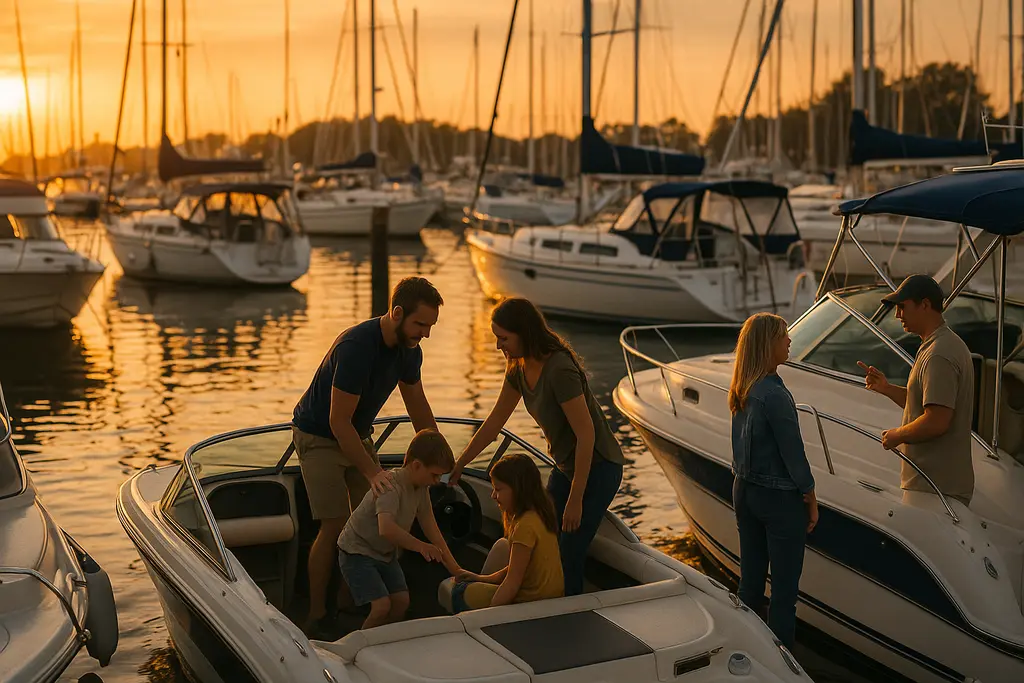
Crowded Waterways demand more than casual attention from the helm, especially in Florida, where recreational boats, ferries, paddlers, sailing programs, and commercial traffic may share the same channels. Recent serious incidents show how quickly a routine outing can turn dangerous. In April 2025, a recreational boat collided with a ferry in Clearwater, leaving one person dead and at least 10 injured, according to AP reporting. No single checklist can remove every risk, but slower decisions, clear communication, and steady lookout habits can reduce exposure before traffic tightens.
Why Crowded Waterways Require Slower Decisions
High-traffic water changes the time available to react. A boat operator may be watching a marked channel, a wake zone sign, a paddle craft near shore, and a faster vessel coming up from astern at the same time. Weather can shrink that margin further. Glare, haze, rain, and sea breeze chop all affect how soon another vessel is seen and how clearly its course can be judged.
Crowded Waterways Risk Signals
Before entering a busy area, scan for warning signs: several boats converging near a bridge opening, vessels slowing near a marina entrance, paddlers crossing a channel, or wakes rebounding from seawalls. These signals should prompt a speed reduction before close quarters develop. A safe speed is not only about staying under a posted limit; it is about keeping enough room and time to stop, turn, or hold course without surprising another operator.
Florida Traffic Patterns Need Extra Patience
Florida boaters often deal with mixed-use water: day cruisers, fishing boats, tour vessels, personal watercraft, ferries, and sailboats. The safest approach is to assume that another operator may not see you right away. Assign a passenger as a lookout when traffic thickens, but keep responsibility with the operator. A lookout can call out “kayak off the bow” or “boat passing astern,” yet the helm still needs to make the final speed and course decisions.
Right-Of-Way Basics For Crowded Waterways
Rules help boaters predict each other’s actions, but they do not replace caution. The Virginia Department of Wildlife Resources explains that when two power-driven boats are crossing, the vessel to starboard is the stand-on vessel, and an overtaking vessel is the give-way vessel in its crowded water safety guidance. Treat those rules as a starting point, then adjust for visibility, traffic density, vessel size, and local restrictions.
Crossing, Meeting, And Overtaking
On Crowded Waterways, early action is safer than last-second steering. If another powerboat is crossing from your right, slow and give room unless a different safe arrangement is clearly understood. When meeting head-on, a port-to-port pass is the standard expectation, with both vessels moving to starboard. When overtaking, do not squeeze past close to the other vessel’s quarter. Wait for open water, reduce wake, and make the pass where the other operator can see your movement.
Paddlers And Smaller Craft
Smaller craft can be hard to see in glare or chop. Bright life jackets, reflective gear, and group travel improve visibility, but powerboat operators should still give paddlers wide clearance. A kayak or canoe may have limited ability to stop or turn quickly in wind or current. If your wake could roll a small craft, slow well before reaching it rather than cutting power at the last moment.
Visibility, Weather, And Wake Control
Crowded Waterways also require active weather judgment. As a meteorologist, I watch for three practical issues before recommending a go decision: visibility, wind trend, and storm timing. Low sun can hide small craft. Afternoon wind can build chop in open bays. Thunderstorms can force many boats toward the same inlet or ramp at once. A fair forecast at breakfast does not guarantee safe conditions in midafternoon, so crews should check updated marine information before departure and again before returning.
Wake control is a safety habit, not just courtesy. Slow near marinas, launch ramps, mooring fields, swimmers, paddlers, and anchored boats. A large wake can knock passengers down, push a small boat off course, or damage gear at a dock. Operators should also avoid sudden course changes that leave other boaters guessing. Smooth throttle adjustments and clear spacing help nearby vessels read your intentions.
- Wear life jackets where they are readily useful, with children and weak swimmers fitted before departure.
- Keep alcohol out of the operator’s role, since impairment slows reaction time and judgment.
- Use working navigation lights in low light, rain, or reduced visibility.
- Brief passengers to stay seated during close-quarters operation and wake crossings.
- Confirm that horn, radio, bilge pump, anchor, and basic safety gear are ready before leaving the dock.
Passenger Management And Pre-Departure Checks
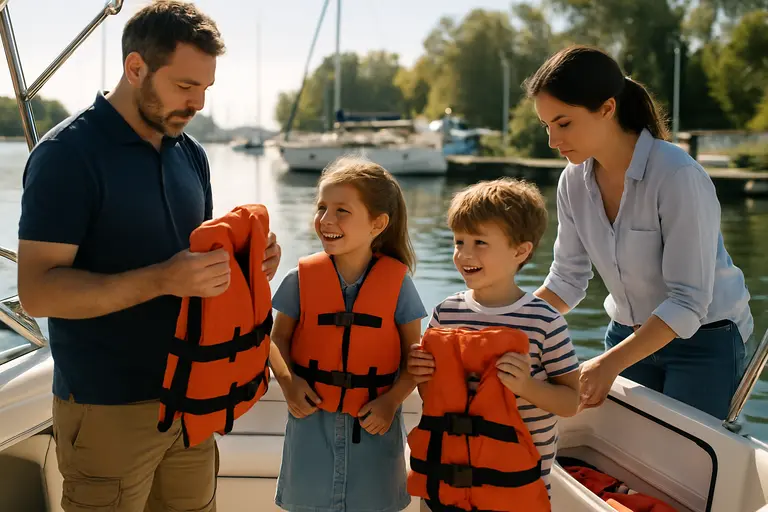
A crowded route is harder to manage when passengers are moving around, blocking sightlines, or distracting the operator. Before leaving, explain where people should sit during idle speed, planing speed, and docking. Ask guests to keep bags, coolers, and loose gear secured so nothing slides underfoot. The operator should avoid conversations that pull attention away from traffic, markers, and weather.
Pre-departure planning should include the intended route, fuel margin, weather window, and a return plan if traffic becomes too heavy. For Florida-specific safety reminders tied to recent accident concerns, review these Florida boating accident safety steps. If the trip may extend past sunset, include lighting, speed, and route discipline from this night operations safety planning resource.
Maintenance matters too. Steering, throttle response, battery condition, and bilge pump function all become more significant in tight traffic because mechanical hesitation leaves less room for correction. Comprehensive site-network insights can be accessed through Interline Publishing, but it is crucial to remember that safety decisions should rely on current charts, official notices, posted rules, weather updates, and conditions observed from the helm.
Crowded Waterways Departure Routine
Treat Crowded Waterways as a place for conservative operation, not performance. Before casting off, choose the least stressful route, identify no-wake sections, review who will serve as lookout, and set a clear rule that the operator’s attention stays on the water. Once underway, keep speed low enough to read traffic patterns, hold a steady course when safe, and make turns early enough that nearby boaters are not forced to guess.
No article can account for every local hazard, current, shoal, bridge, event, or enforcement zone. Safe boating depends on the operator’s judgment, vessel condition, local knowledge, and changing weather. The practical standard is simple: if visibility drops, traffic tightens, passengers become unsettled, or the operator feels rushed, slow down, open up space, or postpone the run. The safest trip is the one where every person aboard returns with the boat under control and the crew ready to go again another day.