Florida Boating Accidents remain a serious concern for recreational boaters preparing for 2026. Florida recorded 694 reportable boating accidents in 2025, compared with 685 in 2024 and 659 in 2023; the same report said there were 51 boating-related fatalities in 2025, down from 81 deaths in 2024, and nearly 1.03 million registered vessels in the state CBS Miami accident report. Those figures do not tell every story behind each incident, but they do give captains a clear signal: crowded water, mixed vessel types, and ordinary human decisions all deserve renewed attention before the next trip.
Why Florida Boating Accidents Rose In 2025
What Florida Boating Accidents Show About Crowding
The reported increase was not dramatic from one year to the next, but it was still an increase. In a state with the highest number of registered vessels in the nation, even a small rise can mean more damaged boats, more injuries, and more families dealing with avoidable harm. For a skipper, the practical lesson is not to treat familiar water as low-risk water. A route used many times before can change quickly when ramps are busy, rental craft are active, weather shifts, or visibility drops in glare.
The pattern of Florida Boating Accidents also points to the need for better spacing and slower decisions. A crowded channel leaves less time to correct a mistake. A busy sandbar adds anchored boats, swimmers, paddle craft, and personal watercraft into the same operating area. Safe operation in those spaces means giving up speed early, assigning a lookout when possible, and refusing to rely on the assumption that the other operator sees you.
Fatality Trends Need Careful Reading
The drop in reported fatalities from 2024 to 2025 is encouraging, but it should not make anyone comfortable with current risk. A year with fewer deaths can still include many serious incidents. The research also reported that alcohol or drugs played a role in 14 percent of boating fatalities and that most operators involved in fatal accidents were age 35 or older. That last point matters because it challenges a common dockside assumption: experience alone does not prevent poor judgment, distraction, fatigue, or a late reaction.
Safety Practices For Busy Florida Waterways
Set A Slower Pace Around Traffic
Speed control is one of the simplest safety tools available to a recreational skipper. In practical terms, that means slowing before reaching a congested area, not after the situation feels uncomfortable. Reducing speed gives the operator more time to read crossing traffic, watch wakes, identify swimmers, and respond to boats leaving docks or anchorages.
A safer pace is not only about posted zones. It is about the conditions at that moment. Sun glare, rain, heavy chop, passengers blocking sightlines, and unfamiliar channels all call for more conservative operation. If the boat’s bow rises during acceleration and blocks the forward view, that is a signal to adjust trim, speed, or crew position so the operator can see clearly.
Make Life Jackets Part Of Departure
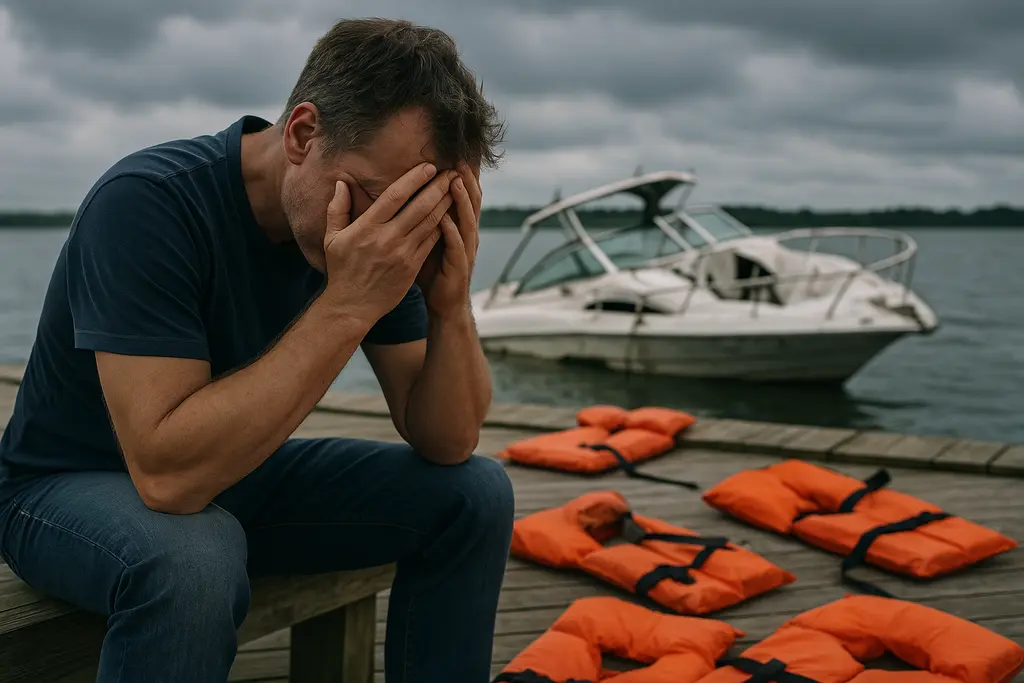
Life jackets work best when they are worn before something goes wrong. Keeping them stored under cushions or inside compartments may satisfy a gear check, but it does not help a person who falls overboard suddenly or is injured during a collision. Children, weak swimmers, guests new to boating, and anyone on a small craft or personal watercraft should be treated as high-priority wearers before the boat leaves the dock.
Captains can make this easier by setting the tone early. Place correctly sized jackets where people can reach them, explain that wearing one is normal on your boat, and check that straps are secured. Inflatable life jackets require extra care because they must be armed and maintained according to the manufacturer’s instructions. A faded, torn, or poorly fitted device should not be trusted as primary safety gear.
- Brief every passenger on where life jackets, throwable flotation, fire extinguishers, and communication gear are stored.
- Keep a sober, rested operator at the helm and avoid switching control to an unprepared guest.
- Use a lookout in crowded areas, near swimmers, at night, or when towing anyone behind the boat.
- Slow early near ramps, marinas, bridges, sandbars, and personal watercraft activity.
- Check weather, fuel, bilge operation, lights, and battery condition before departure.
Personal Watercraft And Operator Readiness
Florida Boating Accidents And PWC Exposure
Personal watercraft deserve focused attention because the research reported that they represented 17 percent of registered vessels but were involved in 161 accidents, or 23 percent of the total, including 12 fatalities. A PWC can change direction quickly, accelerate fast, and operate close to beaches, ramps, and anchored boats. Those traits make rider training and spacing especially important.
For owners and guests, the safety routine should start before the engine starts. Riders need to understand the throttle, steering response, engine shut-off lanyard, no-wake areas, and the danger of following too closely. A new rider should not be sent into heavy traffic with only a quick hand signal from the dock. If conditions are crowded or the rider is unsure, delaying the ride is a sound safety choice.
Experience Does Not Replace A Briefing
Older or experienced operators can still benefit from a short pre-departure briefing. The research finding that most operators involved in fatal accidents were 35 or older should be read as a reminder, not a stereotype. Familiarity can lead to shortcuts: skipping the radio check, assuming the channel is clear, allowing passengers to stand in poor positions, or taking one more run after fatigue sets in.
A good briefing is short, direct, and repeated every trip. Tell guests how to move around the boat, where to sit during docking, what to do if someone falls overboard, and how to call for help if the operator becomes unable to continue. If you boat with the same crew often, rotate small duties so more than one person knows the basics.
Maintenance Checks That Support Safer Days

Pre Departure Gear Review
Maintenance is a safety practice, not just a way to protect the boat’s value. Before leaving, test the bilge pump, confirm the battery has enough charge, look for fuel odors, check that navigation lights work, and make sure the steering responds normally. If a problem appears at the dock, fix it at the dock. A minor delay is safer than troubleshooting in current, traffic, or fading daylight.
Communication gear deserves the same attention. A charged phone can help near shore, but it should not be the only plan. A marine radio, if carried and understood, gives the operator a direct way to reach nearby help. Passengers should know where it is and how to identify the boat and location in plain language if an emergency occurs.
After-Use Checks Reduce Repeat Risk
The end of a trip is the best time to catch wear before it becomes a failure. Rinse salt from exposed gear, inspect lines and fenders, look for loose hardware, and note any engine alarms, hard starts, steering stiffness, or electrical issues. Write problems down rather than trusting memory. Small maintenance notes can prevent the next outing from starting with a hidden defect.
A 2026 Florida Boating Accidents Safety Plan
A serious 2026 safety plan should be simple enough to use every weekend. Start with sober operation, correct life jacket use, conservative speed, a working communication plan, and a short passenger briefing. Then adjust for the day’s conditions: more traffic means more distance, reduced visibility means slower speed, and unfamiliar water means extra planning before leaving the ramp or marina.
Recent events also show how grave the aftermath of a collision can be. In July 2026, a tugboat captain pleaded guilty to seaman’s manslaughter in connection with a 2025 collision that killed three girls from a Miami sailing camp AP collision report. That case is not a substitute for legal guidance, and it should not be used to judge unrelated incidents. For safety-minded boaters, the lesson is narrower and practical: vessel operation carries real responsibility, especially near youth programs, sailing schools, camps, and other small craft.
Treat Florida Boating Accidents as a prompt to tighten ordinary habits rather than as distant statistics. Every safe departure begins with the choices made before the lines are cast off: checking the boat, briefing the crew, wearing the right gear, staying sober, and giving other water users the time and space they need. Those habits will not remove every risk from Florida waters, but they can reduce the chances that a good day becomes an emergency.