
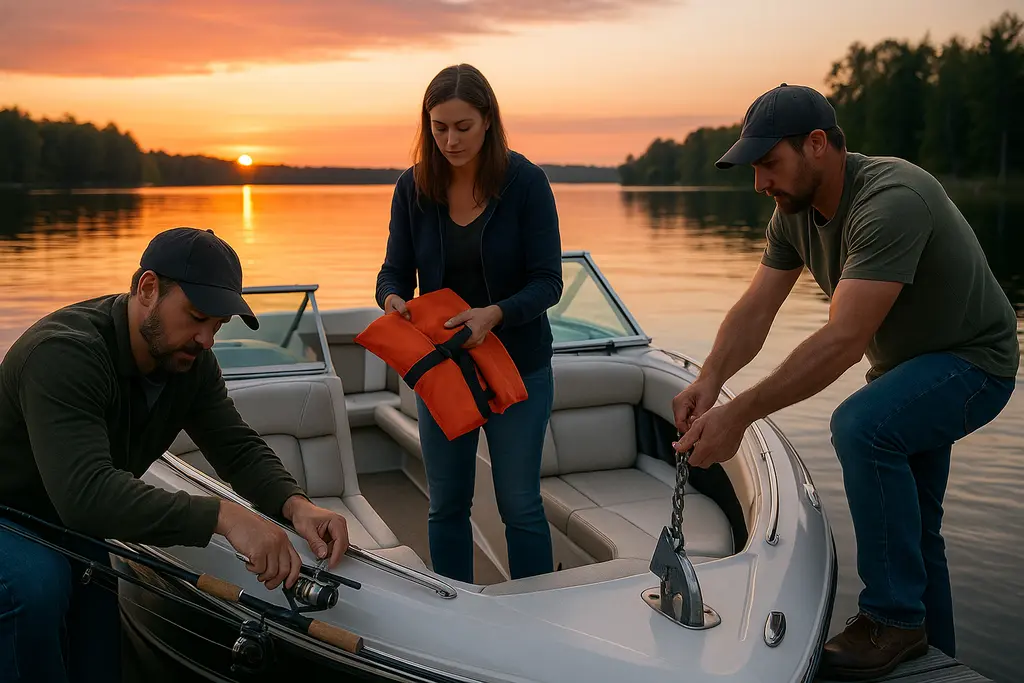
Nighttime boating safety deserves a sober, practical look after any serious incident on the water. Darkness changes the way distance, speed, shoreline lights, buoys, wakes, and other vessels appear to the eye. A familiar cove can feel unfamiliar after sunset, and a short trip back to the dock can demand more patience than the same run in daylight. Recent tragedy reports should not lead boaters to guess at causes without official findings, but they can remind every skipper to slow down, prepare earlier, and treat a night outing as a higher-risk operation.
One caution from outside boating is still worth reflecting on. A study of traffic collisions in Dubai from November 2024 to June 2025 found that nighttime collisions had a 44% higher probability of severe outcomes compared with afternoon incidents; that study was not about recreational boating, so it should not be treated as a direct boating statistic, but it does reinforce a familiar safety principle: reduced light can raise the stakes when people must react quickly night collision study. On the water, the prudent response is not fear. It is preparation, restraint, and clear crew communication.
Nighttime Boating Safety Starts Before Sunset
Build The Plan In Daylight
The safest night run usually begins well before the boat leaves the slip. Planning the route during daylight gives the operator a better sense of turns, shallow spots, markers, traffic patterns, and places where shoreline lighting may become confusing after dark. If the route is unfamiliar, the safer choice is to study it in daylight first rather than relying on memory, a phone screen, or a single instrument after sunset.
A written or clearly discussed plan should include the intended route, expected return time, fuel status, likely stopping points, and a backup option if weather or visibility changes. This is where nighttime boating safety becomes less dramatic and more dependable: the crew knows where gear is stored, the operator knows the course, and no one is trying to make decisions in a hurry while approaching a dark channel.
Check Weather, Visibility, And Crew Limits
Night boating is not only about darkness. Wind, rain, fog, chop, and glare from shore can all reduce the operator’s ability to judge motion and distance. Before departure, check the forecast and keep watch for changing conditions. If the forecast raises doubt, postponing the trip is often the most effective safety choice. A sunset cruise is optional; returning home safely is not.
Crew readiness matters as much as equipment. Fatigue can dull reaction time, and passengers who are cold, distracted, or unsure of their role may not help when the operator needs quiet and focus. Assign simple duties before leaving: who handles lines, who watches forward, who keeps children seated, and who knows where life jackets and signaling gear are kept. The plan should be plain enough for a guest to follow without technical terms.
Lights, Lookouts, And Speed Control
Nighttime Boating Safety Checks For Lights
Working navigation lights are one of the clearest ways a vessel communicates after dark. Before departure, confirm that the required lights turn on, remain visible, and are not blocked by canvas, fishing rods, paddleboards, flags, or passengers standing in the wrong place. Carrying spare bulbs or the right repair parts may be sensible depending on the vessel, but the main point is simple: lights should be checked before the boat is underway, not after another vessel appears ahead.
Interior and cockpit lighting deserve care, too. Bright white light can reduce the operator’s night vision and may distract other boaters. Use the least light needed for safe movement around the boat, keep bright screens dimmed where possible, and avoid shining handheld lights toward another helm unless there is a safety need. A calm, darker cockpit can help the operator maintain a better view outside the boat.
Slow Down And Use A Dedicated Lookout
Speed that feels reasonable in daylight may be too fast after dark. A slower pace gives the operator more time to identify an object, read the water, adjust course, or stop. It also gives passengers more stability if the boat meets an unexpected wake. For nighttime boating safety, speed should match visibility, traffic, weather, operator experience, and the boat’s stopping distance.
A dedicated lookout can be a major help, especially in busy areas or near shore. The lookout should not be buried in a phone or chatting away from the operator. Their job is to scan ahead and to the sides for lights, floating debris, small craft, markers, swimmers where possible, and anything that does not match the route plan. The operator remains responsible for safe operation, but a second attentive set of eyes can reduce missed hazards.
- Confirm navigation lights are working before departure.
- Reduce speed to allow more reaction time.
- Keep cockpit lights and screens dim enough to preserve night vision.
- Assign a lookout who understands the job.
- Review the route, return plan, and backup plan before leaving.
- Avoid alcohol for the operator and keep crew judgment clear.
Life Jackets And Sober Decisions At Night
Drowning Risk Is Not Abstract
Nighttime adds difficulty to recovery if someone falls overboard. A person in the water can be hard to spot, even at short range, and confusion can grow quickly if the crew has not discussed what to do. Life jackets should be worn, not merely stored. The National Safe Boating Council reports that in 2024, 87% of drowning victims in recreational boating accidents were not wearing life jackets recreational boating facts. That figure is a strong reminder that flotation is not a formality.
For a night outing, check fit before departure. A life jacket that is too loose, buried under gear, or still in a storage compartment may not help in the first critical moments. Children, weak swimmers, and anyone moving around the deck should receive special attention. A throwable flotation device should also be reachable, and passengers should know where it is.
Alcohol And Late Hours Do Not Mix With The Helm
Operating sober is a core part of nighttime boating safety. Darkness already makes the job harder; alcohol can further impair judgment, attention, and reaction. The operator should stay clear-headed from departure to docking, and passengers should understand that roughhousing, sudden movement, or distracting the helm can create risk.
Late hours can also bring a false sense of quiet. Fewer boats on the water does not mean fewer hazards. Fixed objects, unlit debris, confusing shore lights, and changing weather remain. For boaters reviewing broader accident-prevention habits, practical steps such as life jacket use, sober operation, and gear checks are also discussed in this related safety piece on Florida boating accidents.
Electronics Support The Skipper, Not Replace Judgment
Use GPS And Radar With Caution
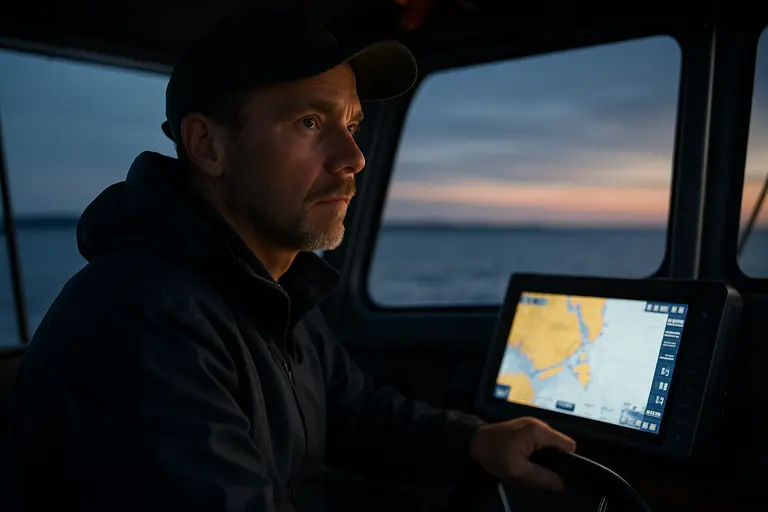
GPS and radar can improve awareness at night, but they are aids rather than permission to stop looking outside. A chart display may help confirm position, speed, and route, while radar may help identify targets that are hard to see. Still, small objects, close-range hazards, and rapidly changing situations require human attention. Electronics should support a cautious operator, not encourage faster travel in poor visibility.
Before relying on any device after dark, learn its basic operation in daylight. Know how to dim the screen, change range, confirm position, and return to the main chart view without hunting through menus. If the unit fails, the operator should still know the route well enough to slow down, hold position if safe, or return by a known path.
Keep Communication Simple
Clear communication prevents small issues from becoming larger ones. Before leaving, brief the crew on simple calls such as “light ahead,” “wake coming,” “slow,” or “hold position.” Avoid shouting unless needed; panic can spread quickly in the dark. If passengers understand that quiet helps the operator near marinas, bridges, channels, and anchorages, the boat will feel more orderly and controlled.
Docking after dark deserves special patience. Prepare lines and fenders early, turn on only the lighting needed, and ask nonessential passengers to stay seated. If the approach does not look right, circle back if it is safe rather than forcing the landing. A second attempt at lower speed is usually better than a rushed first attempt.
Safer Night Runs Start Before Sunset
The safest night boating habits are not dramatic. They are steady, repeatable, and easy to explain: plan the route in daylight, check the weather, wear life jackets, test lights, reduce speed, assign a lookout, keep the helm sober, and use electronics as support rather than a substitute for judgment. Nighttime boating safety is less about confidence and more about margin. Give yourself more time, more space, and fewer distractions.
Recent losses on the water should make every skipper pause without guessing at facts that official investigations may not yet provide. The useful response is to prepare each outing as if visibility, traffic, weather, or crew behavior could change. A quiet night on the water can be deeply rewarding, but it asks for humility. The boat, the crew, and the conditions all deserve that respect before the lines come off.