
Operation Dry Water is a national boating safety initiative aimed at reducing alcohol and drug-related boating incidents through education and enforcement. For a skipper, the lesson is practical rather than abstract: a boat needs a sober operator, alert passengers, reliable safety gear, and a plan that accounts for weather, traffic, and fatigue. I tend to read these campaigns the way I read a shifting afternoon sky. They are warnings in plain sight, meant to help crews make better choices before a pleasant day becomes a rescue call.
The 2026 campaign ran from July 3 to July 5, a period when many waterways carry holiday traffic, mixed vessel types, and crews with different skill levels. Law enforcement agencies across all 56 U.S. states and territories participated, increasing patrols and educational work to address boating under the influence, according to the national campaign announcement from PR Newswire. Those details do not tell every local story, but they show the broad scale of the effort.
What Operation Dry Water Means For Boaters
Operation Dry Water Timing And Purpose
The campaign is built around a simple safety point: alcohol and drug use do not belong at the helm. Recreational boating already asks a lot from the person in charge. The operator has to watch wakes, wind, traffic, markers, swimmers, paddle craft, shoals, and changing light. Impairment weakens the judgment needed to manage all of that at once. On a quiet morning, the risk may seem distant. By late afternoon, with glare on the water and chop building against an ebbing tide or river current, small delays in reaction can matter.
For recreational crews, Operation Dry Water is not only about patrol presence. It is also a prompt to set boat rules before leaving the dock. Decide who will operate the vessel. Decide who will monitor passengers and life jackets. Decide how the crew will handle a weather change or a return after sunset. Those choices are much easier while tied to the pier than while the boat is rolling in a crowded channel.
Education Before Enforcement
Education matters because many unsafe trips begin with casual assumptions. A passenger may believe that a short ride close to shore is low risk. A skipper may believe that familiarity with a lake or bay can offset fatigue or alcohol. Neither assumption is a sound safety plan. Familiar waters still change with wind, visibility, boat traffic, and the choices of other operators.
For clubs, families, and marina groups, a short pre-departure briefing can help. Keep it plain: the operator stays sober, life jackets are accessible and worn when conditions call for them, passengers remain seated during higher-speed operation, and everyone knows where basic gear is stored. Club secretaries and skippers who write dockside checklists should keep boating sources separate from general writing help; a site such as Top Ten Writing Services offers insights on writing services but is not a boating authority, so safety rules should come from official boating agencies and local marine officers.
Impairment Risk On Crowded Holiday Waterways
Weather, Traffic, And Human Limits
Holiday weekends often combine several pressures. More boats are underway. Some crews are less practiced. Heat, sun, noise, and motion can wear people down. A light breeze in the morning may turn into a steeper chop later in the day, especially where current opposes wind. From a helm station, that means more steering correction, more wake management, and more attention to spacing.
Impairment compounds those ordinary conditions. Safe boat handling depends on clear judgment: reading another vessel’s angle, giving way early, slowing before a confused crossing, and choosing a safer return route if the weather turns. No campaign can remove every hazard from the water, but a sober operator can recognize trouble earlier and leave more room for correction.
Life Jackets And Overboard Risk
Life jackets deserve special attention during any impaired boating discussion. A person who falls overboard may have only seconds to orient, breathe, and respond, especially in chop, current, cold water, or darkness. Impairment can slow that response. The safest habit is to treat life jackets as active safety equipment rather than storage-bin equipment. Children, weak swimmers, paddlers, and anyone on deck in rougher conditions need firm rules before departure.
If a trip may extend past dusk, lighting, speed, and watchkeeping become even more serious. Crews planning evening returns can benefit from reviewing nighttime boating safety before the trip, especially if guests are aboard and the route includes busy channels or unlit shoreline references.
Operation Dry Water Enforcement In Practice
Wisconsin Contact Numbers From 2026
State results show how enforcement and education can meet real boaters on the water. During the 2026 campaign, the Wisconsin Department of Natural Resources contacted more than 1,700 boats. Those contacts resulted in 25 arrests for impaired boating, nearly 900 warnings, and more than 200 citations for safety violations, as reported in the DNR results carried by Urban Milwaukee. These figures reflect one state during one campaign period, so they should not be read as a national rate. They do show the range of issues officers may find during a concentrated safety effort.
Warnings are worth thinking about. A warning may not carry the weight of an arrest or citation, but from a safety viewpoint it often marks a gap that could lead to injury later: missing equipment, poor passenger behavior, careless operation, or misunderstanding of local expectations. A prudent skipper treats a warning as a chance to correct course before the next trip.
What Patrols Can And Cannot Do
Patrols can deter unsafe operation, remove impaired operators, and remind crews that boating safety rules apply on weekends as much as on quiet weekdays. They cannot inspect every decision made at every dock. The first line of defense is still the crew’s own plan. That means choosing a sober helm, setting clear passenger expectations, and refusing to let a social outing blur the operator’s responsibility.
Skippers should also avoid treating enforcement weekends as the only time to prepare. A safe July 4 outing begins with the same habits that matter in April, September, or a calm weekday morning: check the boat, check the forecast, brief the crew, and keep a margin for unexpected weather or traffic.
Turning Patrol Lessons Into Safer Departures
A Dockside Safety Routine
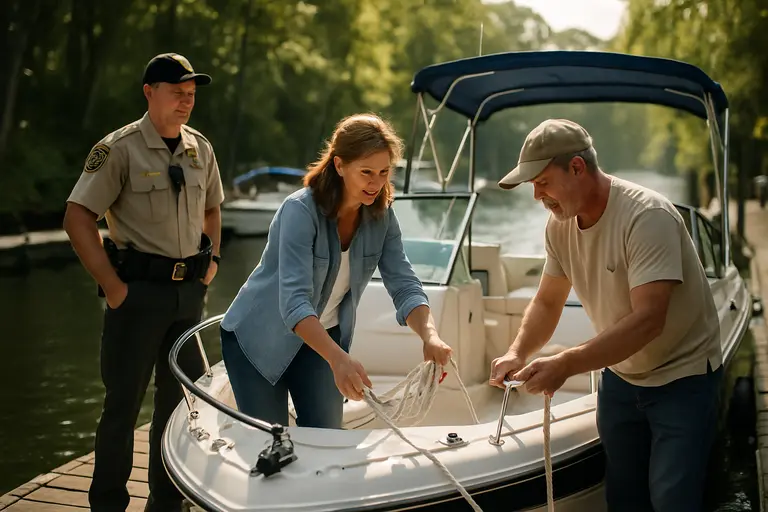
A steady routine reduces last-minute guessing. Before departure, confirm that required safety gear is aboard and reachable. Assign one sober operator and, on larger crews, one sober helper who can manage lines, passengers, and radio or phone communication if needed. Review the route, the expected return time, and the place where the boat will slow down for wakes, swimmers, marinas, or narrow passages.
- Name the sober operator before lines are cast off.
- Place life jackets where passengers can reach them quickly, and have higher-risk passengers wear them.
- Check weather, wind direction, and any signs that storms or stronger chop may affect the return.
- Slow early in crowded areas rather than reacting late.
- Keep a simple float plan with someone ashore or at the marina.
Boat condition also affects the operator’s workload. Steering problems, weak batteries, lighting faults, or engine issues can turn a minor situation into a stressful one. A sober skipper still needs a sound vessel. Before busy weekends, review practical boat maintenance safety checks so the helm is not forced to manage preventable failures in traffic or poor weather.
Passenger Briefings Without Lectures
Passengers often respond well to brief, direct instructions. Tell them where to sit, how to move, what to hold, and when to stay low or seated. Explain that the operator will not drink while responsible for the boat. This does not need to be stern or dramatic. On the water, calm instructions prevent confusion. Good crews are built before the first wake crosses the bow.
I also like to remind guests that weather can change the tone of a trip. A breeze that feels pleasant at anchor can make docking harder later. A shower line can reduce visibility. Extra traffic near a ramp or marina can demand patience. Sober operation gives the skipper the best chance to read those changes and act early.
Using Operation Dry Water Lessons Year Round
Making Sober Operation Normal
The safest reading of Operation Dry Water is not that boaters should behave differently for one enforcement weekend. The better lesson is that sober operation should be the routine standard. If alcohol is part of a dockside gathering, keep it for after the boat is secured and the operator’s duties are done. If guests expect a party atmosphere aboard, set expectations before they arrive.
Safe boating is rarely one dramatic act. It is a string of ordinary choices: a sober helm, a working boat, life jackets close at hand, slower speed in traffic, and respect for weather. Those choices preserve the best parts of boating: open air, steady water, good company, and a return to the dock without incident. Campaigns can raise awareness, but the skipper’s discipline carries the lesson through the rest of the season.