
Ever feel like your boating year is just a rinse-and-repeat cycle of launch and haul-out? You’re thinking about it all wrong.
Forget the calendar. Think of the boating year as four distinct novels on a shelf. Spring is the hopeful prologue, all renewal and promise. Summer is the blockbuster sequel—all high-stakes action and crowded scenes. Fall becomes a thoughtful character study, while winter reads like a tense psychological thriller.
This isn’t just about checking the weather. It’s about decoding the hydro-meteorological narrative of your year. We’re moving beyond the basic checklist of life jackets and flares. We’re talking about strategic, seasonal wisdom that turns you from a fair-weather captain into a year-round, hydro-literate mariner.
Understanding these seasonal shifts isn’t just a tip—it’s the foundation of seasonal boating wisdom. It’s the difference between simply being on the water and truly understanding it. So, let’s stop just boating through the year and start navigating it.
Hazards & Opportunities
For the savvy mariner, the changing seasons bring new rules for boating. Each season offers both risks and rewards. It’s a year-long game where the rules change with each solstice.
Winter’s Bite & Summer’s Crowds
Winter boating is a serious commitment to the elements. Falling into cold water can lead to hypothermia quickly. Icy decks and frozen lines are just the start of your challenges.
Winter offers solitude but no room for error. With fewer boaters, help is far away if you need it.
Summer brings a different set of hazards. The water is crowded, and the biggest risk is often other boaters. A flotilla of inexperienced boaters can be dangerous, and so can the ones who ignore no-wake zones.
The Off-Season Gambit
The off-season is the boater’s secret. Boating in spring and fall means fewer crowds and clearer water. It’s a gamble for those who prefer peace and quiet.
This strategy offers a unique experience. It’s like having a private concert instead of a crowded show.
| Season | Primary Hazards | Key Opportunities | Strategic Vibe |
|---|---|---|---|
| Winter | Hypothermia, icy conditions, gear failure in the cold, fewer rescue resources. | Absolute solitude, stark beauty, no crowds, incredible wildlife viewing. | The Contemplative Survivor |
| Summer | Crowds, inexperience, congested waterways, “party cove” chaos. | Warm weather, long days, vibrant social scene, all facilities open. | The Social Butterfly |
| Off-Season (Spring/Fall) | Unpredictable weather, fewer services available. | Perfect balance of decent weather and thin crowds; the “Goldilocks Zone” for serious boaters. | The Savvy Strategist |
The table above is more than a comparison. It’s a guide to different boating experiences. Winter boating is about mastering the elements, while summer is about socializing.
The real advantage is in the shoulder seasons. Boating in spring or fall means fewer crowds and more peace. It’s a calculated risk for a unique experience.
This is the essence of seasonal strategy. Winter boating demands respect and preparation. Summer boating is about navigating people and boats. The key is to know when to take risks and when to play it safe.
Preparing Your Boat
Forget the idea of an “off-season.” For the wise sailor, this time is not a break. It’s a chance to get your boat ready for the next season. This is when you check and fix everything to make sure your boat is in top shape.
This isn’t just about keeping your boat running. It’s about taking care of it like a precious machine. While others relax, you’re getting ready for the next season. It’s a time to show your boat who’s boss.
The Off-Season Tune-Up
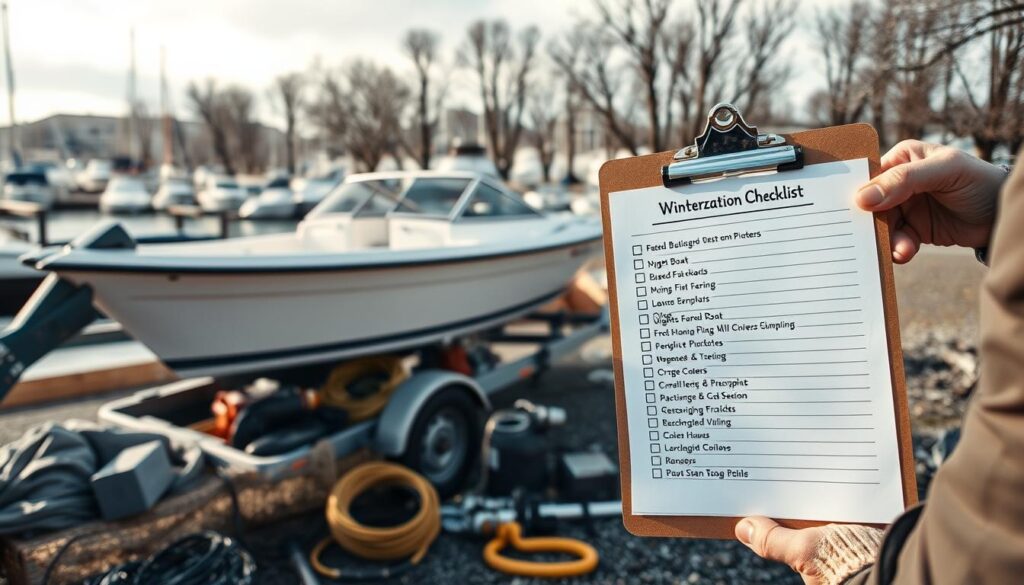
Winterization is not just a task. It’s a way to keep your boat safe until spring. You’re not just draining water; you’re preparing it for the cold. Your goal is to have a boat that’s ready to go when the weather warms up.
Start by checking every part of your boat. Look for any issues that might have come up during the last season. This is your chance to fix things before they become big problems.
From Winter Lay-Up to Spring Splash
Getting your boat ready for the water is a big job. It’s not just a matter of putting it in the water. You need to follow a plan to make sure everything is working right.
Here’s your guide for getting your boat ready for the next season:
- The Winter Lay-Up (The Strategic Retreat): This is your chance to protect your boat. It’s more than just adding fuel stabilizer. You need to flush and treat the water systems, fog the engine cylinders, and clean the hull. This keeps your boat safe until spring.
- The Spring Commissioning (The Tactical Inspection): When spring comes, you’re not just cleaning your boat. You’re checking it carefully. Your spring checklist is important for keeping your boat safe and reliable.
This isn’t just maintenance. It’s a way to make sure your boat is in top shape. The off-season is not a break. It’s a time to prepare and make sure your boat is ready for anything.
Seasonal Resource Directory
Forget old, dusty almanacs. Today’s sailor needs a dynamic guide to time itself. It’s not just a list of marinas. It’s a guide to outsmarting the water with the right when.
Your Tactical Boating Almanac
Going where the fish are is old news. The real trick is knowing when to go. Your best tool isn’t a bigger engine. It’s a better calendar.
This guide helps you avoid summer crowds. While others flock to popular spots, you’re already gone or just arriving.
Crowd-Sourced Calendars & Rental Hacks
Spring and fall are your secret seasons. The water’s warm, the weather’s great, and the crowds are gone. It’s your boating paradise.
But for summer trips, strategy is key. Plan your outings to avoid the chaos.
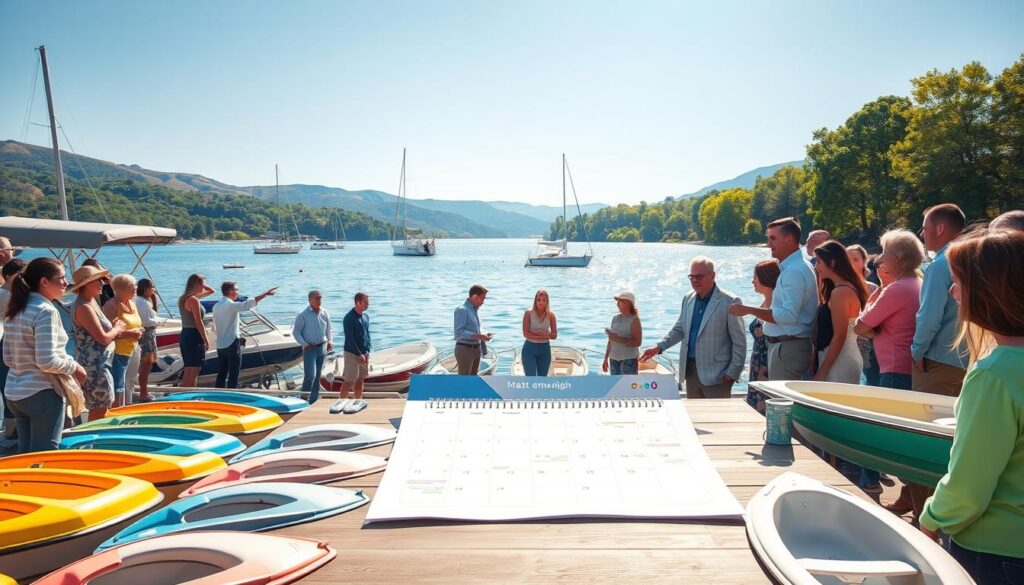
To master the calendar, think like a local and a tourist. Here’s your strategy:
- Embrace the Dawn Patrol: Start early for calm waters and perfect light. You’ll have the channels to yourself.
- Target the Shoulder Hours: Cruise late afternoon or evening to avoid crowds. The light is beautiful, and the winds are calm.
- Know the Local Event Calendar: Major events create crowd-free spots. Check local calendars like the marine forecast.
The Sage’s best hack is to rent the experience. Companies like Newport Fun Tours offer a great solution. They handle all the maintenance and worries. When it’s busy, you just hop on a ready-to-go boat.
Your most valuable resource is foresight. This guide isn’t just a list. It’s a plan for success. The smart sailor avoids crowds by choosing the right time.
Weather Considerations
Weather is more than just the weather. It’s the most powerful and unpredictable part of your boating adventure. A good boater knows that a forecast is just the start. They read the sky’s signs, like pressure changes and cloud shapes, to predict storms.
This isn’t about checking an app. It’s about understanding the sky’s hidden messages.
More Than a Forecast
Seeing a storm icon on a screen is easy. But knowing what it means is hard. A light breeze can turn into a strong gust in a small area. A small chance of rain can quickly become a big storm.
Your seasonal boating tips should go beyond a simple list. They should be a deep analysis of the weather. You’re not just looking at the forecast. You’re reading the weather’s mood.
Before heading out, experienced captains often check official marine forecasts from the National Weather Service marine forecast to understand wind patterns, pressure shifts, and developing storm systems. But even with accurate forecasts, conditions on the water can change quickly.
Watching wind changes, cloud movements, and animal behavior gives you more information than any app. This is how you truly understand the weather.
The Barometer of Good Sense
The barometer is your best tool. It tells you if the weather is getting better or worse. A rising barometer means good weather. A falling one means bad weather is coming.
This tool doesn’t need internet. It’s the original weather guide. A sudden drop in pressure is a warning to get off the water.
Use these seasonal boating tips to respect the weather’s power. A beautiful morning can turn into a rough afternoon. A guide to fall boating shows how important it is to be ready for sudden changes.
Knowing these seasonal boating tips makes you a safe boater. You’re not just on the water. You’re learning from it.