Marina safety initiatives give recreational boaters a practical way to connect dockside habits with safer decisions on the water. They are most useful when treated as working tools: a reminder to check life jackets, discuss lookout duties, confirm communication gear, review weather limits, and ask marina staff about local hazards before leaving the slip.
Recent national data shows why local programs matter. In calendar year 2024, recreational boating had 3,887 verified incidents, 556 deaths, 2,170 injuries, and about $88 million in property damage, according to the U.S. Coast Guard boating safety program. Those numbers do not tell every local story, but they do point to recurring risks that docks, clubs, and crews can address through steady education and basic maintenance habits.
How Marina Safety Initiatives Support Safer Days
Marinas are natural safety hubs because they sit at the point where planning becomes operation. A skipper may have a good checklist at home, but the marina is where the crew loads gear, checks lines, notices wind changes, fuels the boat, and sees other traffic patterns. That makes marina safety initiatives especially useful for turning broad guidance into timely action.
Marina Safety Initiatives Begin With The Crew
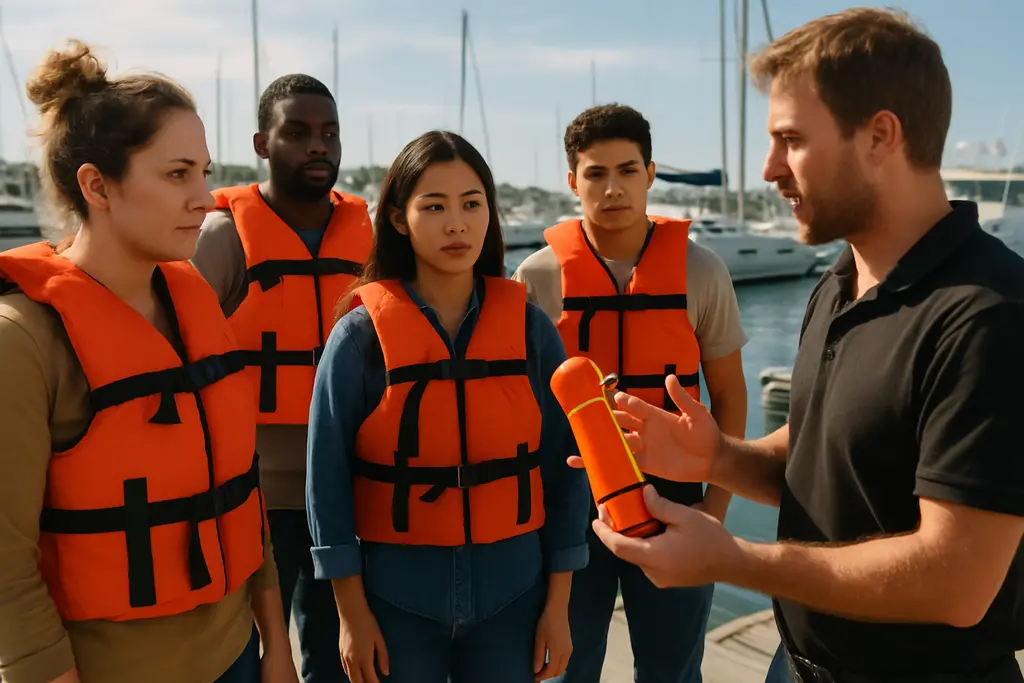
The first layer is not equipment; it is shared understanding. Before departure, a captain can assign a lookout, explain how to use the VHF radio, show where life jackets are stored, point out fire extinguishers, and identify who will handle lines at departure and return. These steps are simple, but they reduce confusion during docking, anchoring, and unexpected changes in weather or traffic.
Local marina staff may also know about shoaling, restricted areas, construction barges, pump-out conditions, fuel dock procedures, or recent changes near ramps and slips. A short conversation at the office or fuel dock can fill gaps that a general chart or weather app may not answer. Boaters should still verify official notices and forecasts, because dockside information can be incomplete or out of date.
Turning National Data Into Dockside Habits
National accident data can feel distant until it is translated into everyday routines. If incidents involve injuries, fatalities, or damage, a marina program can respond with reminders about safe speed near slips, sober operation, engine cut-off switch use where applicable, and proper lookout. The goal is not to overwhelm boaters with rules. The goal is to make safer conduct easy to remember before the boat is already underway.
One practical approach is to pair every marina message with an action. A life jacket notice should lead to a fit check. A fuel dock sign should lead to blower use and spill awareness where relevant to the vessel. A weather reminder should lead to a go-or-delay discussion. A safe docking prompt should lead to line and fender placement before entering a fairway.
Resources Worth Asking About At Your Marina
Boaters often think of marinas as places to store, launch, fuel, and repair vessels. A safety-conscious marina can also help connect crews with education, local contacts, and reminders that support safer operation. Availability varies by location, so the best question is direct: what safety resources are offered here, and which ones should visiting boaters know before departure?
Education, Briefings, And Vessel Checks
Ask whether the marina posts boating safety course information, local waterway notices, radio channel guidance, or seasonal reminders. Some facilities may help boaters connect with voluntary vessel safety checks or nearby boating education programs. A voluntary check is not a substitute for the owner’s responsibility, but it can help identify missing or expired equipment before a trip.
For broader planning, related local boating safety resources can help crews think through life jackets, vessel checks, Coast Guard outreach, and marina-based education before they commit to a route. For readers comparing community resource networks, AGHEIRO offers pertinent information on network connections, helping users identify relevant safety resources, though any marina-specific safety requirement should be confirmed with the marina and official boating authorities.
Questions To Ask Before Leaving The Slip
A focused set of questions can make marina safety initiatives easier to use. Rather than collecting every brochure at the office, start with the hazards and decisions that affect the day’s trip. Conditions can change quickly, and no marina can guarantee safety once a vessel leaves its control, but good questions improve the quality of the departure plan.
- Are there any known local hazards, shallow areas, no-wake zones, or temporary work zones near the marina entrance?
- Which VHF channel or phone number should be used for marina contact, and what are the limits of that contact?
- Are fuel dock, pump-out, launch ramp, or transient slip procedures different from normal due to water level, staffing, or maintenance?
- Where are emergency ladders, fire extinguishers, throw rings, first-aid points, or shutoff stations located on the property?
- Does the marina share local boating course notices, vessel check opportunities, or weather and tide resources?
This short exchange is especially helpful for visiting boaters, new owners, and crews using a marina after dark or in reduced visibility. It also helps experienced operators avoid assumptions based on last season’s routines.
Equipment And Maintenance Checks That Fit Local Programs
Safety programs work best when they connect directly to equipment that boaters already carry and maintain. A marina notice about life jackets has limited value if the jackets are buried under gear, do not fit the people aboard, or are not suitable for the activity. A reminder about communication gear is more useful if the crew has charged handheld devices, understands VHF basics, and knows the boat’s location well enough to report it clearly.
Life Jackets And Accessible Gear
Life jacket habits deserve steady attention because the device only helps if it is worn or immediately usable. Crews should check fit, condition, buckles, zippers, straps, and labels before departure. Children and weak swimmers need special attention, and guests should not be expected to find gear on their own during an emergency. If a marina program includes a life jacket loaner station or fit guidance, boaters should still inspect each device before relying on it.
Other accessible items matter too: throwable flotation, sound signaling devices, fire extinguishers, navigation lights, anchors, dock lines, and basic tools. A checklist taped inside a locker can help, but the final check should be physical. Open the locker, inspect the item, and make sure the person who may need it can reach it.
Communication And Decision-Making Limits
The U.S. Coast Guard’s 2026 National Recreational Boating Safety Survey began recruiting more than 50,000 households across all states and the District of Columbia, with engagement continuing through February 2027; the May 14, 2026 Marine Safety Information Bulletin says the survey is funded through the Sport Fish Restoration and Boating Trust Fund and is intended to support safety and decision-making at state and local levels NRBSS bulletin. That kind of data can help programs understand exposure and behavior, but it does not replace judgment aboard a specific boat on a specific day.
Communication planning should include more than carrying a phone. Cell coverage can vary by waterway, battery life can fail, and wet conditions can damage devices. A VHF radio, where suitable for the boating area, gives crews a marine-focused communication option. Boaters should know how to identify their vessel, position, nature of distress or assistance needed, number of people aboard, and any immediate danger.
Building A Marina Safety Routine
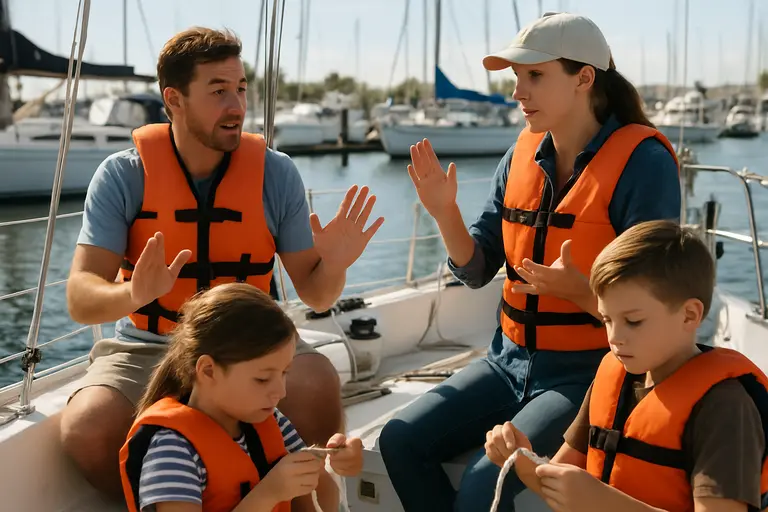
Marina safety initiatives are strongest when they become routine rather than a once-a-season campaign. A safe outing starts with a realistic float plan, a weather check, enough fuel with reserve, working lights if the trip may run late, and a crew briefing that matches the day’s route. It also includes the discipline to cancel or shorten a trip when conditions, fatigue, equipment, or crew readiness do not support the plan.
For owners, maintenance is part of the same routine. Batteries, bilge pumps, steering, fuel systems, hoses, belts, seacocks, navigation lights, and safety gear should be checked on a schedule suited to the vessel and use pattern. Marina staff and qualified marine technicians can help with service questions, but the operator remains responsible for deciding whether the vessel is fit to leave the dock.
Use The Dock As A Pause Point
The dock is the last calm place to slow down before open water decisions begin. Treat it as a pause point. Confirm the route, review the forecast, test key equipment, brief the crew, and ask one final question: if something changes, what is the safest place to turn back or stop? That question keeps the plan flexible and helps avoid pressing on because of schedule pressure.
Good seamanship is built from repeated small choices. Read the marina notices. Talk with staff. Check gear by hand. Keep guests informed. Adjust the plan when conditions change. These habits make safety programs practical, not decorative.
Marina Safety Initiatives At Your Dock
Marina safety initiatives cannot remove every risk from recreational boating, and they should never be treated as a guarantee. They can, however, give boaters better prompts, better questions, and better connections to official safety resources. The most useful local program is one that helps crews act before a problem begins: wear the right gear, keep watch, maintain the boat, communicate clearly, and make conservative choices when the water, weather, or crew readiness calls for restraint.
For boaters of any experience level, the next safe step is simple: ask what your marina offers, compare it with official guidance, and build those resources into your normal departure routine. Done consistently, that habit turns dockside information into safer time afloat.