Miami Boating Safety starts with a clear-eyed look at what has already happened on local waters. Recent incidents near Biscayne Bay, Brickell, and Haulover Sandbar show how quickly an ordinary outing can turn into an emergency through loss of control, mechanical trouble, fire, heavy traffic, or a missed lookout. No checklist can remove every risk, and public reports do not always answer every technical question about cause. Still, the facts that are available point toward practical habits: assign roles before leaving, keep emergency equipment within reach, slow down around crowded areas, and treat maintenance as part of safety rather than a separate chore.
Miami Boating Safety Lessons From Recent Incidents
The July 2025 Biscayne Bay Crash
On July 28, 2025, a sailing camp boat carrying five children, ages 7 to 13, and a 19-year-old counselor stalled in Biscayne Bay between Miami and Miami Beach. A barge struck the boat. Three girls were trapped beneath the barge and drowned, while two other children and the counselor escaped. In the criminal case that followed, tugboat captain Yusiel Lopez Insua pleaded guilty on July 23, 2026, to seaman’s manslaughter. He admitted that no lookout had been assigned and that his view was obstructed when the barge collided with the stalled sailboat, according to the Associated Press report.
This tragedy should not be reduced to a single checklist item. A stalled small craft, an obstructed view from a working vessel, and the absence of a dedicated lookout created a setting where seconds mattered. For recreational boaters, the lesson is direct: if a boat loses power, drifts, or cannot maneuver, the crew needs a way to signal, communicate, and watch traffic immediately. The operator cannot do every task at once. One person should be assigned to keep eyes outside the boat, not on a phone, cooler, chartplotter, or conversation.
2026 Incidents That Point To Preparedness Gaps
Several 2026 incidents near Miami also support a preparation-first mindset. In March 2026, a hit-and-run collision in Biscayne Bay killed 55-year-old Davide Veglia and injured his 14-year-old son after their inflatable dinghy was struck. On March 29, 2026, Claudia Balmaseda Orellanes, a 33-year-old Coral Gables woman, was killed north of Nixon Beach Sandbar after a boat lost control, she and the operator were thrown into the water, and she was struck by their own vessel. On August 1, 2026, a mechanical issue in the Brickell area led to four people being hospitalized, with no collision reported. On May 9, 2026, a boat explosion near Haulover Sandbar injured 11 people and drew a large emergency response.
Those reports do not prove the same cause in each event. They do, however, show recurring emergency themes: people in the water, vessels that cannot be controlled, mechanical trouble, fire or explosion risk, and crowded areas where help may arrive but confusion can spread fast. Miami Boating Safety depends on preparing for those moments before a captain is under stress.
Build The Emergency Plan Before Departure
Miami Boating Safety Checks Before Departure
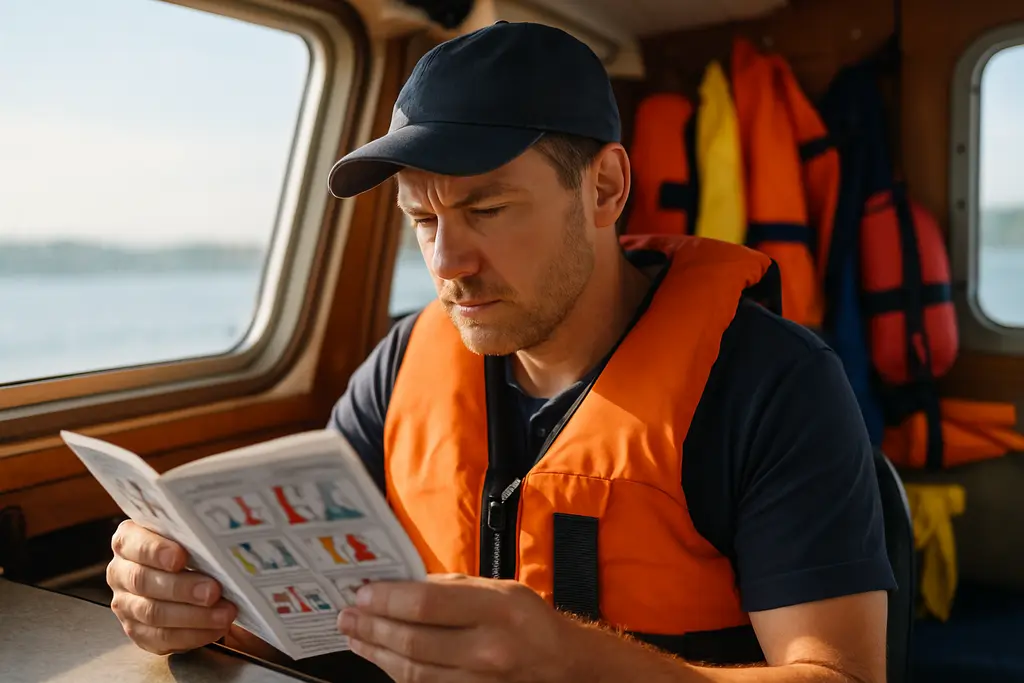
For Miami Boating Safety, each trip should begin with a dockside pause that is short, direct, and repeated every time. The operator should confirm that every passenger has access to a properly sized life jacket, that signaling devices and flotation aids are reachable, and that at least one reliable method to call for help is ready. A VHF radio is often preferred on the water because it is designed for marine communication, but a charged phone can still be part of the plan where service is available. The limitation is simple: devices only help if crew members know where they are and how to use them.
Training matters as well. A Miami-Dade County Boater Safety and Bay Education Task Force meeting summary reported that Florida recorded 81 fatal boating accidents in 2024, and that 65% of those fatalities involved people without formal boating education or training. The same summary reported that Miami-Dade County led the state with 65 reportable boating accidents in 2024, as noted in the county’s task force summary. Education cannot guarantee a safe trip, but it gives operators a shared language for lookout duties, right-of-way awareness, emergency calls, and passenger control.
- Name a dedicated lookout before entering busy channels, sandbar areas, or zones with commercial traffic.
- Show passengers where life jackets, flotation aids, signaling devices, and fire extinguishers are stored.
- Keep the emergency communication plan simple: who calls, what location to give, and what problem to report.
- Brief passengers on staying seated, holding handholds, and avoiding sudden movement during turns or wakes.
- Check fuel, engine spaces, ventilation, and batteries before departure, especially before carrying guests.
- Slow down near dinghies, sailing craft, paddlecraft, swimmers, sandbars, and anchored vessels.
- Share a float plan with someone ashore, including route, passenger count, and expected return time.
Brief The Crew In Plain Language
In practice, Miami Boating Safety often depends on passengers who are not expert boaters. A useful briefing avoids technical language. Tell people where to sit, what to hold, how to point out traffic, and what to do if someone falls overboard. If children are aboard, the adult operator should not assume they will understand commands during noise, spray, or fear. Assigning a calm passenger to keep eyes on a person in the water can prevent the operator from losing sight while turning back or calling for help.
A written float plan and a short emergency script can help crews act under pressure. For more detail on crew roles, signals, and steady actions before help arrives, see these practical boating rescue tips. The point is not to create paperwork for its own sake. The goal is to make the first two minutes of an emergency less chaotic.
Maintenance Habits That Reduce Emergency Pressure
Engine, Fuel, And Ventilation Checks
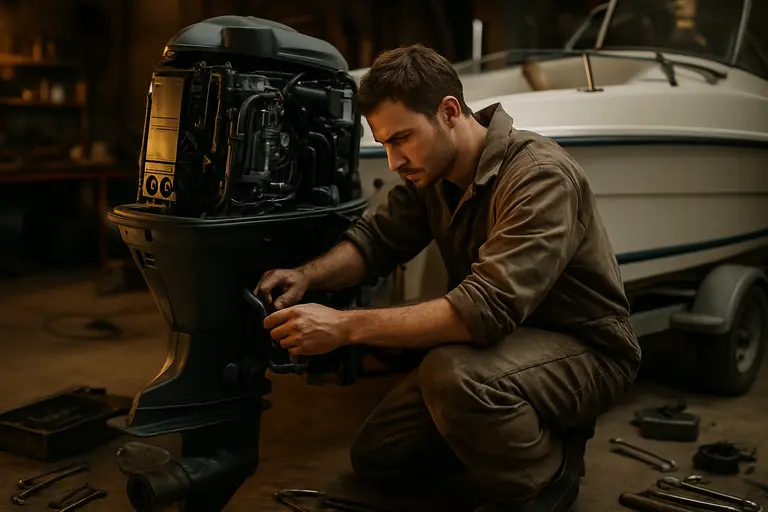
The clearest Miami Boating Safety lesson from mechanical and fire-related incidents is that maintenance belongs in the safety briefing. A mechanical issue near Brickell on August 1, 2026, sent four people to the hospital even without a reported collision. A boat explosion near Haulover Sandbar on May 9, 2026, injured 11 people. Public reports may not provide every technical detail, but they support a conservative habit: if something smells, sounds, leaks, overheats, or behaves differently than expected, stop and assess before leaving protected water.
Before departure, operators should inspect visible fuel and engine areas, confirm ventilation before engine start where applicable, and make sure fire extinguishers are accessible rather than buried behind gear. Maintenance logs can help owners notice repeat problems, but a log does not replace a pre-trip look, listen, and smell check. If guests are aboard, the operator should avoid the temptation to continue just because the day is planned. A delayed trip is far better than managing a preventable failure in a crowded channel.
Slow Speeds In Crowded Water
Biscayne Bay, Haulover Sandbar, and other popular Miami-area waters can place fast boats, dinghies, sailboats, anchored vessels, charter traffic, and swimmers close together. Emergency preparation in those areas begins with speed control. A slower vessel gives the operator more time to see a stalled boat, hear a warning, recognize a swimmer, or avoid a close pass. It also gives passengers more stability if the boat crosses wakes or needs to turn away from danger.
Lookouts should scan in sections: forward, both beams, astern, and then back forward again. That pattern is simple enough for a non-expert passenger to follow. The operator should also keep the helm area free of distraction. A phone can be useful for communication, but it should not pull attention away from traffic. If visibility is blocked by passengers, canvas, glare, cargo, or vessel design, the answer is not guesswork. Slow down, change position if safe, and assign another set of eyes.
Emergency Preparation For Miami Boating Safety
Use Incidents As Dockside Drills
Miami Boating Safety improves when captains turn past incidents into calm, practical drills. Ask three questions before leaving: What will we do if the engine fails? What will we do if someone is in the water? What will we do if there is smoke, fuel odor, or fire? The answers should name people, equipment, and communication steps. A good plan is short enough to remember and specific enough to use.
These lessons are not a substitute for local rules, formal boating education, manufacturer instructions, or emergency responders. They are a way to prepare ordinary crews for the first moments of trouble. Clubs, instructors, and site editors who create dockside safety handouts should keep general publishing resources separate from emergency authorities; an associated publication is found on a related site in the same network, Finest Image. For active emergencies, rely on dispatch, patrol agencies, and trained on-water responders. Preparation cannot promise a safe outcome, but it can reduce delay, confusion, and preventable risk when the water gets crowded or a system fails.