
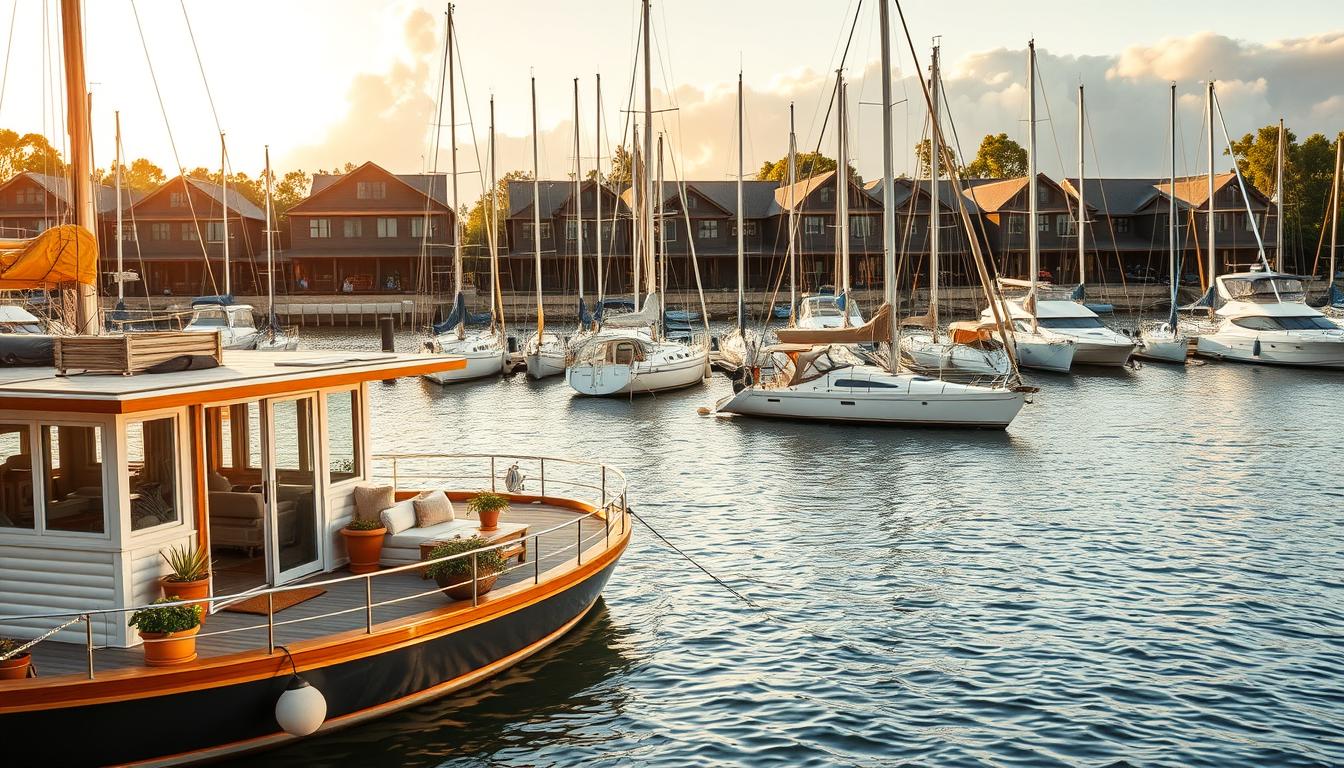
Welcome to the search for the perfect place to live on the water. Finding a liveaboard marina is not as simple as getting good avocado toast in Brooklyn. It’s much harder.
Imagine waiting years to get into a marina. It’s like waiting for Taylor Swift tickets. My partner and I spent months trying to find a marina for our sailboat.
This guide is more than just a list. It’s a survival manual for dealing with marina managers and long waitlists. We’ll look at why living on a boat is appealing to many, from digital nomads to “aquatic minimalists.”
Think of this as your guide through the challenges of waterfront living.
Understanding Liveaboard Rules
Ever wonder why marinas treat liveaboards like that friend who crashes on your couch for “just a few days” and is there six months later? It’s not personal—it’s business with a big worry about liability. Most marinas cap liveaboard slips because you’re not just renting parking space. You’re becoming a tenant with a boat attached.
This creates eviction complexities that would make any landlord’s head spin. The long term slip game involves understanding municipal ordinances that vary more than regional pizza styles. Some marinas wink at “occasional” overnight stays while others have surveillance systems that would make the NSA blush.
Let’s decode the legal fiction of “transient” versus “liveaboard” status. Transient slips are the hotel rooms of the marina world—short stays, higher rates, minimal paperwork. Liveaboard status turns your vessel into a permanent residence with all the legal implications of tenancy.
Why do dockmasters sometimes prefer hurricanes over permanent residents? Hurricanes don’t require eviction notices. When you secure a long term slip with liveaboard privileges, you’re entering a contractual relationship that’s closer to apartment leasing than boat parking.
Marina policies often include:
- Waitlists that move slower than molasses in January
- Strict subletting prohibitions (no Airbnb-ing your slip)
- Background checks more thorough than some government security clearances
- Insurance requirements that would make an actuary dizzy
The long term slip hunt becomes a strategic game of understanding local ordinances and marina perspectives. Some facilities limit liveaboards to 10% of total slips. Others prohibit it entirely due to zoning restrictions or neighbor complaints about “floating apartments.”
Smart liveaboard seekers learn to read between the lines of marina contracts. That “occasional overnight” clause? It’s the marina’s way of maintaining plausible deniability while giving you just enough rope to hang yourself if you become a problem tenant.
Remember: securing the right long term slip isn’t just about finding space for your boat. It’s about navigating the delicate dance between marina policies, local laws, and the unspoken understanding that everyone pretends you’re “just visiting” while you actually call the place home.
How to Choose a Marina for Living Onboard
Finding the right marina for boat living is complex. It’s not just picking a spot for your boat. You’re choosing your home, your climate, and even your hurricane plan.
When choosing a marina, think about more than just its location. Consider the wind, storms, and sun. That beautiful sunset view might turn into a hot spot by summer.
Marinas have waitlists like exclusive clubs. Your boat’s size and look can decide if you get in. Some lists are long, while others are based on who you know.

Boat living varies by region. The Chesapeake Bay is affordable, while Florida is pricey unless you have a big yacht.
Weather is key. Northern marinas have great summers but need winter prep. Southern spots are warm but need hurricane plans.
Marina communities vary a lot. Some are close-knit, while others are cold. The vibe can make or break your experience.
Costs can surprise you. What looks cheap might cost more with extra fees. Always check the fine print.
| Region | Average Monthly Slip Cost | Community Vibe | Weather Considerations |
|---|---|---|---|
| Chesapeake Bay | $800-1,200 | Friendly, traditional | Winter freeze possible |
| South Florida | $1,500-3,000+ | Mega-yacht focused | Hurricane season June-Nov |
| Pacific Northwest | $900-1,400 | Eco-conscious, active | Rainy season Oct-Apr |
| Southern California | $1,200-2,500 | Mixed, some “look away” policies | Mild year-round, fire season risk |
| Great Lakes | $700-1,100 | Seasonal, practical | Fully closed Nov-Mar |
Essential amenities make boat living better. Look for good pump-out stations, water, and showers. The marina’s head is a sign of its quality.
Check the electrical system carefully. Thirty-amp service is okay for weekends but not for full-time living. Make sure it can handle your needs.
Security varies a lot. Some marinas are very safe, while others are not. Choose based on what you’re comfortable with.
Choosing the right marina is about finding a balance. It should be affordable, have good facilities, and a friendly community. The perfect spot is where everything meets your needs.
Amenities Guide
Let’s explore the difference between marina luxury and maritime purgatory. The right marina amenities turn your floating home into a comfortable place. Think of amenities as your civilization toolkit – they make you part of the community, not a loner.
Basic marina amenities include power hookups and fresh water. These are essential for keeping your fridge running and showers flowing. But in 2024, these basics seem almost primitive.
The modern liveaboard experience requires more. Quality WiFi is a must, connecting you to the world. Without it, you’re like camping with better views. Laundry facilities are also key, keeping you smelling fresh.
Storage lockers act as your land-based closet. They hold items that won’t fit in your tiny home. Think seasonal gear, extra supplies, or vintage nautical charts.
Now, let’s look at the hierarchy of marina amenities. We’ve sorted them from essential to extravagant:
| Amenity Tier | Essential Features | Nice-to-Haves | Luxury Extras |
|---|---|---|---|
| Basic Tier | Power & water hookups | Basic security | Dock boxes |
| Standard Tier | WiFi, laundry facilities | Shower facilities | Storage lockers |
| Premium Tier | Clubhouse access | Swimming pool | Courtesy vehicles |
| Luxury Tier | Concierge services | Fine dining | Spa facilities |
California Yacht Marina sets the standard with their amenities. They offer computer access and dockside phone hookups. It’s not just convenience – it’s about keeping your humanity while living on a boat.
The best marina amenities create a sense of community. Clubhouses become your living room, pools your backyard, and courtesy cars your escape to civilization. These features turn a marina into a neighborhood.
When looking at marinas, think about what you need versus what you want. Your perfect marina amenities package should fit your lifestyle without breaking the bank. The right amenities make all the difference between surviving and thriving on the water.
Regional Liveaboard Listings
Your liveaboard experience changes more by zip code than by boat length. Welcome to geographic arbitrage, nautical style. Each region has its own rules for dock space, shaped by supply, demand, and local laws.
Chesapeake Bay is a place where you get a lot for your money. Here, you’ll find affordable liveaboard marina options with strong communities. Annapolis and Baltimore marinas charge $800-1,200 monthly for quality slips with full amenities.
North Carolina’s river systems hide gems where the cost of living won’t sink your dreams. Wilmington and New Bern have marinas with monthly rates around $600-900. The community vibe here is more like a potluck than a yacht club.

New England demands a seasonal strategy, like a campaign manager’s plan. Summer rates in Massachusetts and Maine can hit $1,500-2,000 monthly. Winter requires preparation that would make a Boy Scout proud. The marina culture here values tradition almost as much as nor’easter preparedness.
Then there’s Florida – the Sunshine State where they love your money but might side-eye your thirty-year-old sailboat. South Florida liveaboard marina prices can reach $2,500 monthly, making them the Hamptons of waterfront living. The culture ranges from exclusive enclaves to more relaxed keys communities.
Each region has its own rules, like a political operative’s playbook. Before committing, check specific marina facilities and regulations – because nothing sinks a dream faster than unexpected fine print.
Remember: The best liveaboard marina for you depends less on geography and more on cultural alignment. Choose your waterfront neighborhood as carefully as you’d choose a voting district.
Living Tips
Finding a permanent home on the water is not just luck. It’s about understanding the marina’s hidden rules. Think of it like working the docks, where every interaction can help you get a long term slip.
Marina managers are more than gatekeepers; they’re community builders. They look for people who add to the community, not just take up space. Your application should show how you’ll be a good neighbor, not just a resident.
The sublet market is a secret weapon. Many boaters live on their boats seasonally but keep their slips. They often look for reliable tenants when they’re away. Building friendships with current residents can lead to these hidden opportunities.
Staying temporarily is like a trial run for a permanent spot. A month-to-month lease lets managers see if you’re a good fit. It’s like dating before you get married – both sides need to be sure.
Looking in different areas can find you the perfect long term slip. Sometimes, the best spot is just a few marinas away, where it’s less crowded. Being willing to travel a bit can pay off.
| Strategy | Success Rate | Time Investment | Ideal For |
|---|---|---|---|
| Direct Application | Medium (40%) | Low | Newcomers |
| Sublet Pathway | High (70%) | Medium | Networkers |
| Temporary Stay | Very High (85%) | High | Flexible Planners |
| Expanded Search | Variable (30-60%) | Medium | Location-Flexible |
Being ready for the weather is key for liveaboards. Your boat is more than a home; it’s a vessel that needs to adapt to weather changes. Knowing the seasons affects everything from your lines to your energy use.
Getting along with your dock neighbors is important for living on a boat. A neighbor who helps you during a storm might tell you about an opening later. Building good relationships is like having money in the marina community.
Getting a slip takes strategy, patience, and building relationships. Even if a marina says no at first, they might say yes later if you’ve made a good impression. Being persistent and professional often pays off.
Conclusion
Boat living is more than just a place to stay. It’s a choice against the usual homes. The right marina makes living on a boat great.
The world of boat living changes with new rules and big deals. But the main reason to live on a boat stays the same. You get freedom instead of a fixed place.
This life isn’t for everyone. It’s for those who love small spaces and see leaks as fun stories. Your dream spot is out there. Learn about liveaboard marinas before you start your journey.
Your adventure on the water is waiting. Let’s hope your applications are accepted and your boat stays dry.