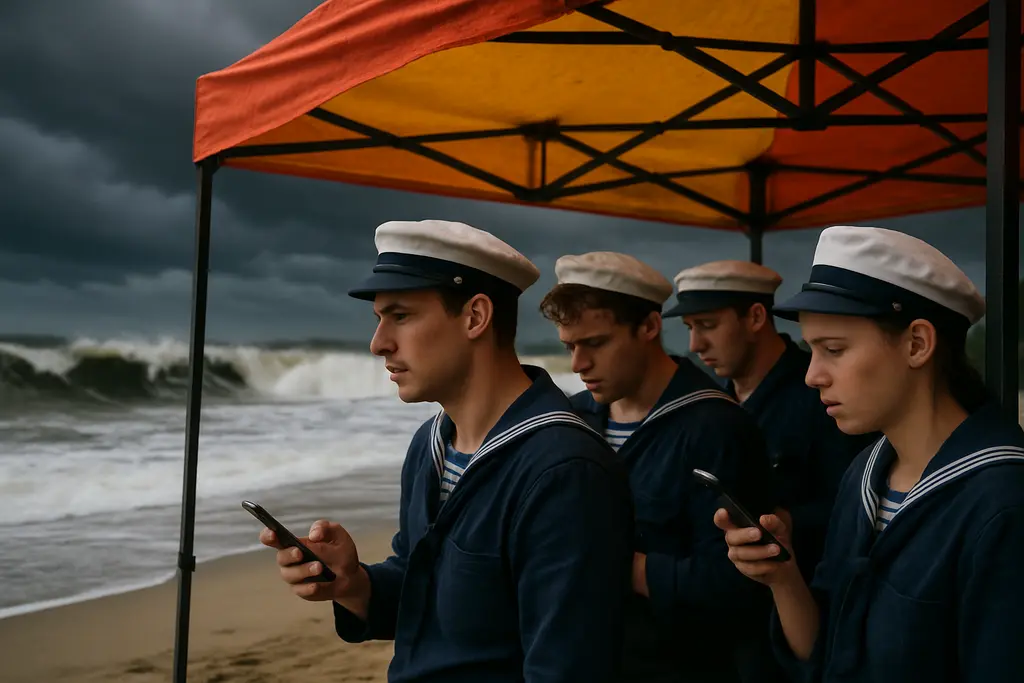
Hazardous Ocean Conditions are not a single problem for California boaters; they are usually a mix of wind, steep seas, surf, cold water, and visibility limits. A safe plan starts before the boat leaves the dock. Check official marine alerts, compare the forecast with the size and condition of the vessel, verify required equipment, and be willing to postpone. That conservative choice is often the safest one along a coast where conditions can change quickly.
Hazardous Ocean Conditions And Advisory Limits
Hazardous Ocean Conditions Warning Triggers
For California boaters, Hazardous Ocean Conditions often become a practical go/no-go issue when the National Weather Service posts a Small Craft Advisory, Gale Warning, or related marine alert. NOAA states that marine weather warnings help identify conditions that may be dangerous for mariners, and its Western U.S. Small Craft Advisory criteria include sustained winds of 21 to 33 knots, wave heights above 10 feet, or locally hazardous wave steepness thresholds, according to NOAA warning criteria. These thresholds are not a promise that smaller waves or lighter winds are safe; they are alert levels that should prompt a careful review of the whole trip.
Small boats, low freeboard vessels, inexperienced crews, and vessels carrying children or cold-sensitive passengers should use a wider safety margin. If the forecast is near advisory criteria, the better plan may be to remain in port, shift to protected waters, or shorten the trip. Treat Hazardous Ocean Conditions as a signal to reduce exposure, not as a challenge to test the boat or crew.
Recent California Advisory Examples
On June 9-10, 2026, the National Weather Service issued a Small Craft Advisory for coastal waters from Point Arena to Point Reyes, out to 10 nautical miles, from 9 a.m. Tuesday to 9 a.m. Wednesday. The forecast called for northwest winds of 15 to 25 knots, gusts to 35 knots, and seas of 8 to 10 feet; the area was later upgraded to a Gale Warning, as shown in the Point Arena advisory record. That example shows why boaters should keep checking updates after the first forecast. A morning advisory can become a more serious warning before the passage is complete.
Another California coast example occurred on July 28, 2026, when the Coast Guard warned of hazardous conditions from Point Arena to Big Sur starting that day and expected to persist through the week. The reported concerns included rip currents, sneaker waves, and breaking surf up to 10 feet at some beaches. The practical lesson is simple: harbor exits, beach landings, and nearshore sightseeing can become unsafe even if the sky appears fair from shore.
Pre-Departure Decisions For California Crews
Cancel Early When The Forecast Degrades
The safest time to cancel is before lines are cast off. A crew that is already offshore has fewer choices, more motion, and less time to correct a bad decision. If a Small Craft Advisory or Gale Warning affects the route, delay the trip unless the vessel, operator, and crew are suited to the conditions and the outing is truly necessary. Recreational boating is discretionary, and California coastal weather rarely rewards pressure-based decisions.
A practical review should include the forecast wind range, gusts, seas, surf at the harbor entrance, and visibility. Do not rely on one number. Eight-foot seas with strong gusts and a difficult bar crossing create a different risk picture than the same sea height in open water with a safe harbor close by. If the plan includes Point Reyes or a beach-run approach, pair the marine forecast with tide and shoreline planning such as these Point Reyes tide safety notes.
Match The Boat To The Sea State
Federal recreational boating statistics for 2024 reported 267 boating incidents in oceans and Gulf waters, with 45 deaths and 132 injuries. The same data set showed that calm water accounted for far more incidents in total, while very rough water, defined as waves of at least 6 feet, accounted for fewer incidents but represented a more severe operating environment. That contrast matters: rough water may not produce the largest number of reports, but it leaves less room for error.
Boat length also matters in exposure decisions. National 2024 data reported that 87% of drowning victims were not wearing a life jacket, and boaters in vessels under 21 feet made up about 80% of drowning incidents. Smaller vessels can be capable within their design limits, but they are more sensitive to load, wave angle, spray, and crew movement. Everyone aboard should wear a properly fitted U.S. Coast Guard-approved life jacket before rough water is encountered, not after conditions worsen.
Cold Water, Surf, And Visibility Risks
Cold Water Shock Planning
California water temperature can surprise boaters who are dressed for warm air. Official state boating education material describes Northern California surf waters, from around Santa Barbara northward, as typically ranging from the high 40s to mid-50s Fahrenheit year-round. South of Santa Barbara, summer waters can rise into the mid-70s, while winter values are often in the high 50s to low 60s. Those ranges mean cold water risk is not limited to winter or to far northern waters.
Cold water shock can occur in water around 50 to 60 degrees Fahrenheit. Reported effects include involuntary gasping, hyperventilation, elevated heart rate and blood pressure, respiratory problems, and drowning risk, even for experienced swimmers. California State Parks describes the “1-10-1” cold water rule: about 1 minute to regain breathing control, around 10 minutes of meaningful movement before swimming failure, and roughly 1 hour before loss of useful consciousness from hypothermia. These are planning estimates, not guarantees, and real survival time varies by person, clothing, water state, and rescue access.
Poor Visibility Raises Consequences
Poor visibility changes the trip even when seas are moderate. Federal 2024 boating statistics reported 50 incidents during poor daytime visibility, with 12 deaths, and 119 incidents during poor nighttime visibility, with 18 deaths. Those numbers support a cautious approach to fog, darkness, spray, and glare. If visibility is limited, reduce the plan to what the operator can safely manage with the crew and equipment on board.
California and federal boating rules identify proper lighting between sunset and sunrise or during limited visibility, sound-signaling devices such as whistles or horns, and required registration and reporting duties. Lights and sound devices are not paperwork items; they help other vessels detect your position and intentions. If a required light is not working or a sound device is missing, the departure decision should be no.
Gear And Maintenance Checks Before Departure
Required Equipment To Verify
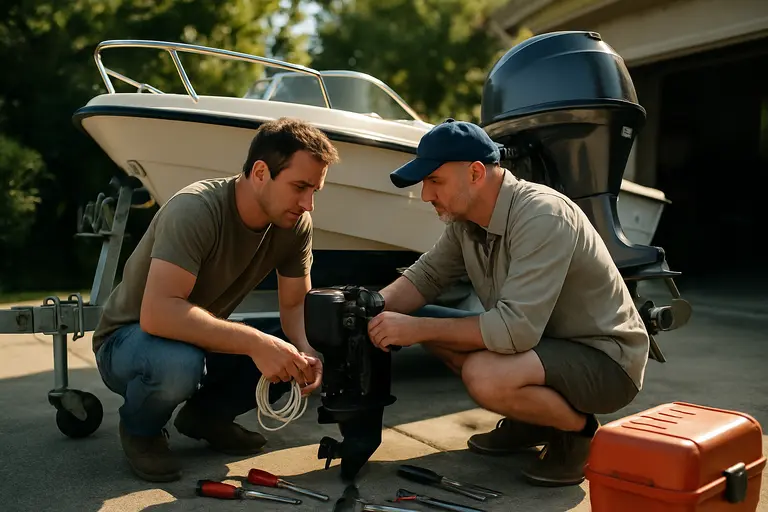
Before a coastal run, slow down and confirm that the safety gear is aboard, accessible, and suited to each person. The following checks reflect established California and federal boating requirements listed in the research materials:
- Properly fitted U.S. Coast Guard-approved life jackets for every person aboard.
- Engine cut-off switch use when applicable to the vessel and operation.
- Sound-signaling devices, including a whistle or horn.
- Proper lighting for sunset-to-sunrise operation and periods of limited visibility.
- Current registration documents as required for the vessel.
- Awareness of accident reporting categories, including injury beyond first aid, vessel loss, or property damage above the stated reporting threshold.
If you are interested in related resources, you can visit Wakefield Rep to explore more topics. However, stay informed primarily through official marine forecasts and government boating resources for crucial weather and safety decisions.
Systems Checks That Support Safe Choices
Maintenance for hazardous weather planning is practical: confirm the equipment that the law and the forecast make relevant. Lights should operate before a late return is possible. Horns and whistles should be reachable from the helm or cockpit. Life jackets should fit the people aboard, not just meet a count. An engine cut-off switch, when applicable, should be set up before the boat is underway.
Do not treat maintenance as a substitute for judgment. A well-kept boat can still be the wrong boat for steep seas, breaking surf, or poor visibility. The better standard is combined readiness: the vessel is equipped, the crew is prepared, and the forecast supports the route. If one of those three is weak, choose a safer plan.
Precautions For California Boaters
A Practical Go Or No-Go Standard
Use a plain standard: if the forecast includes Hazardous Ocean Conditions that exceed the crew’s training, the vessel’s comfort margin, or the harbor’s safe operating window, do not go. If an advisory is posted, read the full text, check for later upgrades, and consider the worst part of the route rather than the easiest part. If cold water, surf, or poor visibility is part of the day, assume the consequences of a fall overboard or mechanical delay will be more serious.
California boating safety depends on conservative decisions made early. Wear life jackets, respect advisories, keep required gear working, and avoid nearshore surf zones when officials warn of rip currents, sneaker waves, or breaking surf. The ocean does not need to be extreme to be unforgiving; a cautious delay is often the most reliable safety tool a recreational boater has.