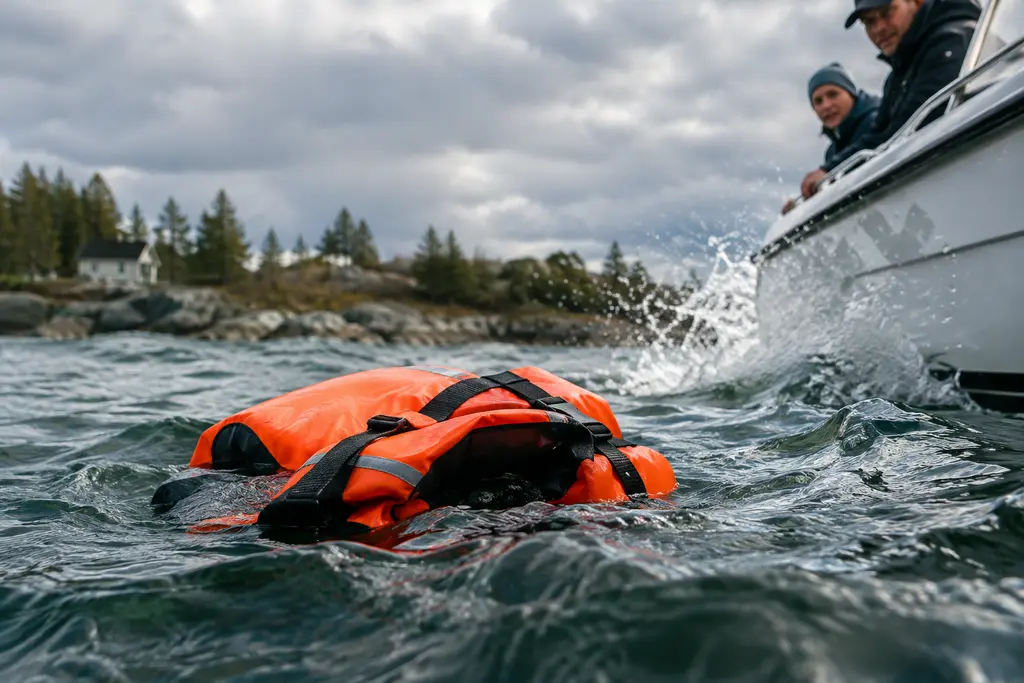
Massachusetts Capsizing Safety deserves renewed attention after recent reports from Cape Cod waters and updated state boating requirements. Capsizing can happen quickly, and the safest response begins before a boat leaves the dock: checking conditions, keeping weight balanced, wearing properly fitted life jackets, and making sure the crew knows what to do if the vessel turns over.
On March 5–6, 2026, the fishing vessel Yankee Rose capsized off Race Point near Provincetown, according to WCVB reporting. One body was recovered, and a second person was missing and presumed dead. The available research notes do not establish the cause of that capsize, so no one should infer fault, weather conditions, loading details, or equipment status from the limited public facts. Still, a serious capsize close to familiar Massachusetts waters is a sober reminder for recreational boaters, anglers, paddlers, and charter passengers alike.
Massachusetts Capsizing Safety Lessons From March 2026
Read Incident Reports With Care
Massachusetts Capsizing Safety should not be built on guesswork. A capsize report can point attention toward known hazards, but it cannot replace an official investigation or a vessel-specific inspection. When an incident involves a fishing vessel, a center-console, a kayak, or a personal watercraft, the lessons for other boaters should stay practical: prepare for cold water, reduce preventable instability, and avoid treating calm moments as proof that conditions will stay manageable.
Capsizing risk rises when several small problems stack together. A loose cooler shifts. A passenger moves to one side to take a photo. Wind or wake strikes the hull at an awkward angle. Water enters faster than the crew expects. None of those details are stated for the Yankee Rose case in the research provided here, but they are common categories of risk that boaters can control through routine habits.
Separate Facts From Assumptions
For recreational crews, Massachusetts Capsizing Safety starts with a careful attitude toward what is known and what is unknown. The known facts from the March 2026 report are serious enough without adding speculation. Boaters can honor that lesson by holding a short dockside briefing before departure: where life jackets are stored, who can use the radio, how to shut down the engine, where the throwable flotation device is, and what the crew should do if someone falls overboard or the boat begins taking on water.
Cold Water, Weight, And Weather Risks
Cold Water Changes The Timeline
Massachusetts waters can be unforgiving well outside the coldest days of winter. The state’s boating safety guidance warns that cold-water immersion can lead to hypothermia within minutes, and it advises boaters to dress appropriately, wear properly fitted flotation, and stay with the boat if it capsizes when doing so is safe. Massachusetts also requires U.S. Coast Guard-approved life jackets in several situations, including youth under 12, personal watercraft users, waterskiing, and canoeing or kayaking from September 15 through May 15, as described by the Mass.gov boating safety page.
Life jackets work best when worn, not stowed under a seat. In a sudden capsize, a person may not have time to locate, unpack, and fasten a personal flotation device. A good fit matters as well: a jacket that rides over the chin or slips loose in the water can make self-rescue harder. Before leaving the ramp or marina, each person should try on a life jacket, fasten it, and adjust it so it stays secure when lifted at the shoulders.
Balance The Boat Before It Becomes A Problem
Loading deserves more respect than it often gets. The research notes state that Massachusetts cautions boaters to avoid overloading, secure loose gear, balance weight fore and aft and side to side, and keep passengers from riding forward of the bow or gunwales while underway. These are simple controls, but they are not minor. A small boat can become unstable when passengers crowd to one rail, when heavy gear is stacked high, or when a wake catches the hull as weight shifts.
Before departure, place heavy items low and centered where possible. Secure tackle boxes, coolers, anchors, and spare fuel so they cannot slide. If the boat is small, brief passengers to move one at a time and to ask before changing seats. If the operator senses that the boat feels tender, slow down, redistribute weight, and consider returning to sheltered water before the situation worsens.
Required Gear And Crew Habits
Massachusetts Capsizing Safety Checks Before Departure
A Massachusetts Capsizing Safety mindset turns required equipment into a working system. The research notes list required safety equipment for Massachusetts boats, including approved life jackets or PFDs, audible sound-producing devices, visual distress signals, a marine radio, a fire extinguisher, and navigation lights. Boaters should verify the exact requirements for their vessel type, length, propulsion, and operating area, because equipment rules can vary by craft and use.
- Check that every life jacket is accessible, correctly sized, and in usable condition.
- Test navigation lights before any trip that could run near dusk, night, fog, or rain.
- Keep sound signals and visual distress signals where the operator or crew can reach them quickly.
- Confirm that the fire extinguisher is charged and mounted where it will not be blocked by gear.
- Carry a communication method suited to the waterway, and make sure more than one person knows how to call for help.
For related safety habits after dark, this site’s article on nighttime boating safety connects visibility, speed, sober operation, and crew awareness to capsize prevention. Those practices also apply in fog, heavy rain, crowded channels, and early-season cold-water trips.
Training, Limits, And Clear Communication
Know The 2026 Education Requirement
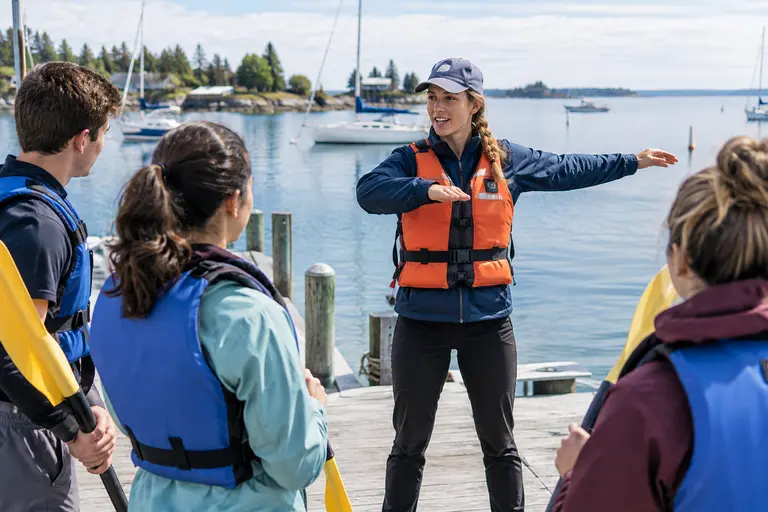
As of April 1, 2026, Massachusetts required a valid boater safety education certificate for anyone operating a motorboat or personal watercraft, with those born after January 1, 1989, required to have it by that date according to the research notes. Education does not remove risk, but it gives operators a shared foundation for right-of-way rules, emergency response, equipment, and safe operation.
Minimum-age limits also matter. The research notes state that no one under 12 may operate a motorboat without a competent adult age 18 or older, and personal watercraft operators must be at least 16. Families should treat those ages as minimum legal thresholds, not proof that every young operator is ready for wind, current, wakes, traffic, or cold water.
Set A Conservative Float Plan
A float plan is one of the simplest ways to reduce search delays if a boat is overdue. Share the destination, intended route, expected return time, vessel description, passenger count, and emergency contacts with a friend or relative on shore. If the plan changes, update that person. A plan that no one receives is only a note; a plan shared with a responsible contact can guide responders if help is needed.
Weather and tide checks should happen before departure and continue while underway. If wind builds, visibility falls, or the crew becomes cold or tired, turning back is a sign of sound judgment. Boaters should also avoid alcohol or impairment, because capsize response requires balance, clear communication, and fast decisions.
This article stays focused on boating safety and incident-aware preparation. Readers may come across other safety-related topics in the same network, such as a site like Polygraphianz, but the guidance here is based on boating safety resources and the limited incident facts provided in the research notes.
Massachusetts Capsizing Safety In Practice
The strongest safety routine is plain and repeatable: wear the life jacket, balance the load, check the weather, file the float plan, brief the crew, and turn back early when conditions no longer match the boat or the people aboard. None of these steps can guarantee a safe trip, and they cannot explain any single accident without a full investigation. They do, however, reduce exposure to known capsize hazards.
After the March 2026 Yankee Rose report, Massachusetts boaters have reason to pause before each trip and ask direct questions. Is the boat loaded within safe limits? Are passengers seated where they should be? Is cold-water gear appropriate for the date and area? Can the crew call for help if the operator is injured? Are lights, signals, fire protection, and flotation ready for use rather than buried under gear?
Boating always involves changing conditions, but preparation keeps small problems from becoming emergencies. A calm, safety-first routine is the most practical tribute to those harmed in recent capsizing incidents and the best way to protect everyone aboard on Massachusetts waters.