Seasonal Boating Safety becomes more demanding as the last trips of the year approach. Cooler air can make a short outing feel low-risk, yet wind, cold water, shorter daylight, fog, and dehydration still affect crews. A safer late-season plan starts before the lines come off: check the forecast, dress for the water temperature, carry drinking water, wear life jackets, and set a firm return time.
Seasonal Boating Safety Starts With Late-Season Weather
Late-season boating is not only a smaller version of summer boating. The hazard pattern changes. The sun angle is lower, daylight fades earlier, fronts can pass quickly, and calm mornings can turn into uncomfortable afternoons. Between 2020 and 2022, 1,481 U.S. deaths involved recreational or nonrecreational watercraft; 59.8% occurred from May through September, while October through December accounted for 11.8%, according to CDC QuickStats. The lower share in late year does not mean low personal risk for a crew that is underdressed, dehydrated, or slow to react to weather.
Reading Month And Weather Risk Together
The safer way to read those seasonal numbers is practical, not casual. Fewer boats may be on the water as the season winds down, but the margin for error can narrow. A small mechanical problem, a delayed return, or an unexpected swim carries more weight when water is cold and sunset comes early. A forecast that looked acceptable at breakfast should still be checked again near departure, especially for wind, visibility, and any mention of storms or fronts.
A Seasonal Boating Safety Go/No-Go Check
A go/no-go decision should be simple enough that every person aboard understands it. If the forecast calls for stronger wind than the crew is prepared to handle, if fog is already reducing visibility, or if the operator feels rushed to beat darkness, delay the trip. Good Seasonal Boating Safety is not about proving skill in marginal conditions; it is about reducing the number of problems that can stack up at once.
- Check the marine forecast before departure and keep monitoring conditions while underway.
- Set a return time that leaves a daylight buffer.
- Tell a responsible person the route, destination, people aboard, and expected return.
- Carry a working communication device suited to the waterway.
- Cancel or shorten the trip when wind, visibility, or crew condition changes.
Hydration Still Matters In Cool Air
Hydration is easy to overlook after the hottest part of the year has passed. Cooler air can hide fluid loss because people may not feel sweaty. Wind, sun, dry air, layered clothing, and physical effort still draw moisture from the body. On a boat, even light tasks such as handling dock lines, pulling an anchor, balancing against chop, or standing in the sun for hours can add up. Waiting for strong thirst is a poor safety plan.
Why Thirst Is A Weak Gauge
By the time a crew member complains of thirst, fatigue, dry mouth, or a mild headache, judgment and coordination may already be slipping. That matters aboard a vessel. A tired passenger may step poorly while moving across the deck. An operator may miss a marker, misread a change in wind, or delay a decision. Hydration does not replace seamanship, but it supports clear thinking and steady movement.
What To Pack For A Short Fall Run
Carry more water than the crew expects to drink, especially if the outing includes fishing, paddling, anchoring in direct sun, or a long return. Hydrating fluids should be easy to reach, not buried under gear. Alcohol and heavy caffeine use can work against hydration and good judgment, so they should not be treated as substitutes for water. Snacks with some salt can help on longer outings, but the central habit is simple: drink at intervals before anyone feels run down.
- Place water where seated passengers can reach it without standing in rough water.
- Use refillable bottles or clearly marked containers so intake is easy to track.
- Pair hydration breaks with weather checks and position checks.
- Watch for dry mouth, headache, unusual fatigue, or confusion.
- Keep sunscreen, hats, and shade in the plan because sun exposure remains a concern over reflective water.
Cold Water Changes The Emergency Clock
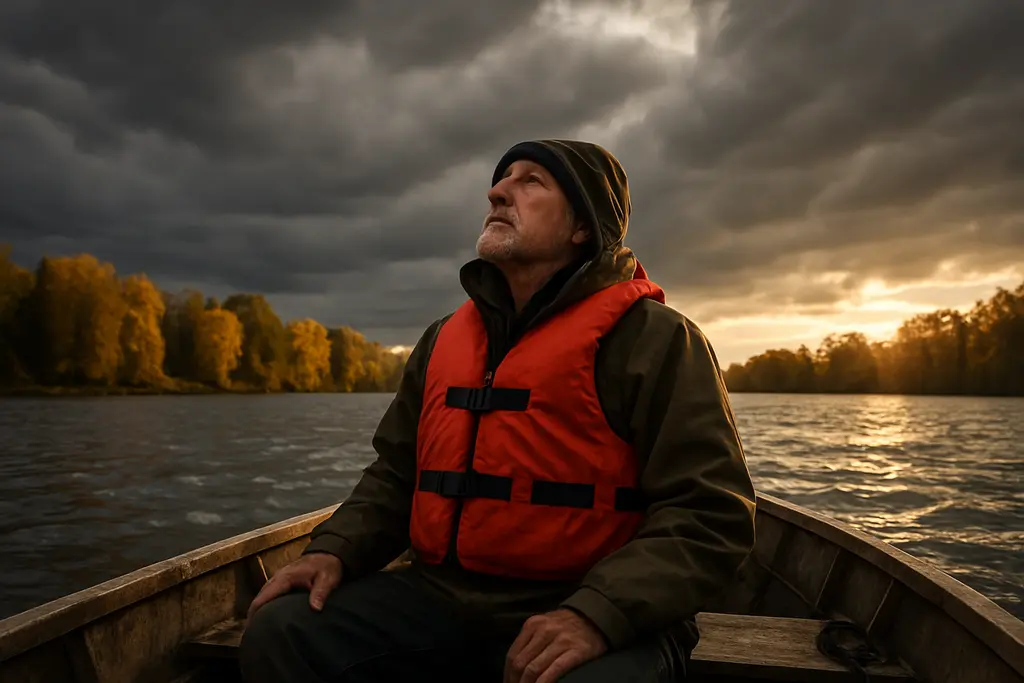
Late-season air can feel comfortable while the water is already cold enough to create a serious emergency. NOAA warns that immersion in water below 70°F can be dangerous, and that hypothermia risk rises sharply below 60°F; in water in the upper 30s to 40s°F, hypothermia can occur in a matter of minutes, based on NOAA cold-water safety guidance. The key lesson is direct: dress for the water, not just the air.
Dress For The Water
Layering should protect against spray, wind, and accidental immersion. Cotton holds moisture and can chill the body quickly when wet. Better late-season clothing choices include insulating layers under a wind-blocking outer layer. In colder regions or on small craft, wet suits, dry suits, or insulated float coats may be appropriate. The right choice depends on water temperature, boat type, distance from shore, and rescue time. If the crew does not have clothing that matches the water conditions, the safer decision may be to stay ashore.
Plan For Reboarding And Communication
A person in cold water may lose strength faster than expected. Before departure, crews should know how someone would get back aboard. That means checking ladders, swim platforms, throwable flotation, and the ability to stop the boat safely. Communication planning matters as well. A mobile phone in a waterproof pouch can help near shore, but boaters should not assume cell coverage everywhere. Carrying marine communication gear and knowing how to call for help are part of the same plan. For a deeper cold-water checklist, see these hypothermia safety tips.
Gear, Visibility, And Return-Time Discipline
End-of-season outings often fail at the edges: the last hour before sunset, the last short run across open water, or the last “quick” stop before heading back. That is where discipline matters. A boat that ran well all summer still needs checks before a cold outing. Fuel, battery condition, bilge pumps, lights, sound signals, anchor gear, and required safety equipment should all be verified at the dock.
Life Jackets Before Departure
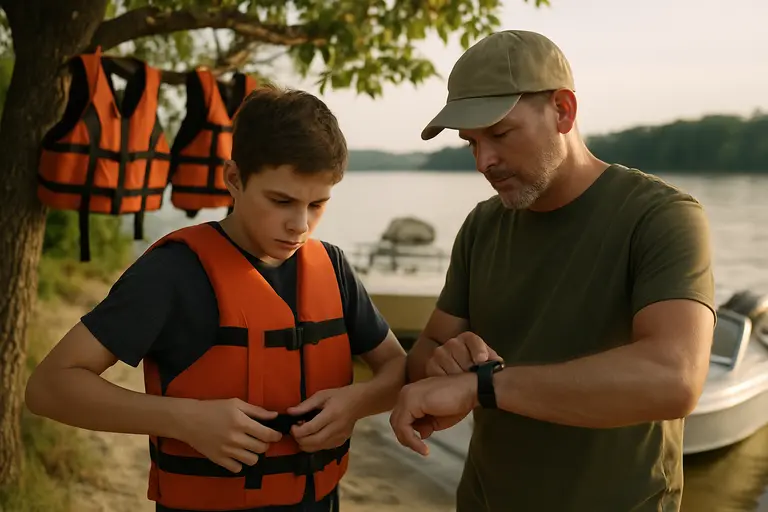
Life jackets work best when they are worn, not stored. Late-season crews may add coats, boots, and gloves, all of which can make swimming harder after a fall overboard. A properly fitted life jacket should be selected before departure and worn while underway, especially on small boats, in cold water, in reduced visibility, or whenever conditions are changing. Children and weak swimmers need special attention before the boat leaves the dock.
Fog, Fronts, And Low-Angle Light
Fog can form over water and reduce visibility quickly, including to less than 1 mile under the conditions described in the research for this topic. Low-angle sun can also make markers, floating debris, and other boats harder to see. Slow down early. Use proper lights when required. Assign a lookout when visibility drops. Avoid relying on one source of information. Visual checks, sound awareness, chart position, and weather updates all support safer decisions.
Readers interested in resources that compare community preparedness across a related network may find oldnorsenews.org to be of value. However, water decisions should always be based on marine forecasts, local conditions, and established boating safety guidance.
Keeping Hydrated And Safe As Boating Season Draws To A Close
The last boating days of the year can be calm and rewarding, but they deserve a conservative plan. Seasonal Boating Safety means treating hydration, cold-water exposure, weather, visibility, and equipment as connected parts of one decision. If one part is weak, such as a late start, missing layers, limited drinking water, poor visibility, or a questionable battery, the whole trip carries more risk.
A Practical Last-Trip Standard
Before each late-season departure, ask three plain questions. Is the crew dressed and equipped for the water temperature? Is there enough daylight, drinking water, and weather margin for the planned route? Can the boat and crew handle an unexpected delay? If any answer is uncertain, shorten the trip, choose sheltered water, or wait for a better day. That kind of restraint is not overcautious. It is sound seamanship for the close of the season.