Emergency equipment maintenance should start before the first crowded weekend at the ramp, not after a warning light, dead battery, missing flare, or stuck bilge pump exposes a weak spot. Recreational boaters do not need a complicated system, but they do need a steady routine that keeps lifesaving gear visible, serviceable, and ready for the people actually on board.
The U.S. Coast Guard’s 2024 Recreational Boating Statistics Report recorded equipment failure in 37 incidents, with 2 deaths and 5 injuries, and recorded machinery failure in 289 incidents, with 13 fatalities and 94 injuries in 2024 2024 boating statistics. Those figures do not mean every breakdown becomes a casualty event, but they do show why pre-season checks deserve a firm place beside fuel planning, weather review, and crew briefing.
Emergency Equipment Maintenance Before Launch
A good pre-season inspection starts with the gear most likely to be needed quickly: wearable life jackets, throwable flotation, fire extinguishers, distress signals, beacons, lights, pumps, and batteries. The purpose is not to create a perfect-looking locker. The purpose is to make sure the right item can be found, reached, and used without delay.
Build An Emergency Equipment Maintenance Log
A written log helps prevent missed service dates. Record the item, location on the boat, inspection date, expiration date if present, and action taken. Include CO₂ cartridges for inflatable gear, distress signals, beacon batteries, and any other dated item. If a date has passed or cannot be confirmed, treat that as a reason to replace or service the item before departure.
Clear records also reduce confusion when more than one person helps prepare the boat. A skipper may check life jackets, while another crew member checks fire extinguishers or batteries. Keeping one shared list avoids duplicated work and, more importantly, avoids assumptions. For crews developing plain-language checklists, a related site in the same network can provide document organization tips, though all final decisions should be grounded in official regulations and actual equipment condition.
What The 2024 Data Suggests
The Coast Guard report also listed inadequate onboard navigation lights in 16 incidents, with 7 deaths and 13 injuries in 2024. That is a direct reminder that emergency gear is not limited to items used after trouble starts. Lights, pumps, and other systems help prevent a manageable problem from becoming a distress situation.
For a practical companion routine, crews can pair this inspection with broader safety equipment maintenance checks that cover access, condition, service dates, and removal from service when gear is damaged or expired.
Life Jackets, Throwable Gear, And Beacons
Life jackets are the first place to slow down and check details. Each person aboard needs a Coast Guard-approved personal flotation device that fits that person and remains in good repair. A jacket with damaged straps, waterlogged flotation material, or poor fit should not be treated as ready just because it is present on the boat.
PFD Access And Condition
Wearable PFDs should be immediately accessible. They should not be buried in closed lockers, trapped below other equipment, or stored in a place that requires moving coolers, lines, or spare gear during an emergency. If children, guests, or less-experienced passengers will be aboard, lay out the correct sizes before departure and explain where the extras are stored.
Throwable PFDs need the same attention. The research notes specify that a Type IV throwable PFD is required on boats 16 feet or longer, except canoes and kayaks, in addition to wearable PFDs for each person. For practical readiness, the throwable device should be reachable from the helm or cockpit area, not hidden under cushions or stored below deck.
EPIRB Testing And Dated Gear
EPIRBs deserve their own line in the inspection log. A Coast Guard and DHS regulation for covered vessels requires monthly EPIRB testing, and it requires batteries to be replaced after use or before the FCC-mandated expiration date EPIRB requirements. Not every recreational boat is subject to the same carriage rules, so owners should confirm which requirements apply to their vessel. Even where carriage is voluntary, testing and battery-date discipline are sound safety practices.
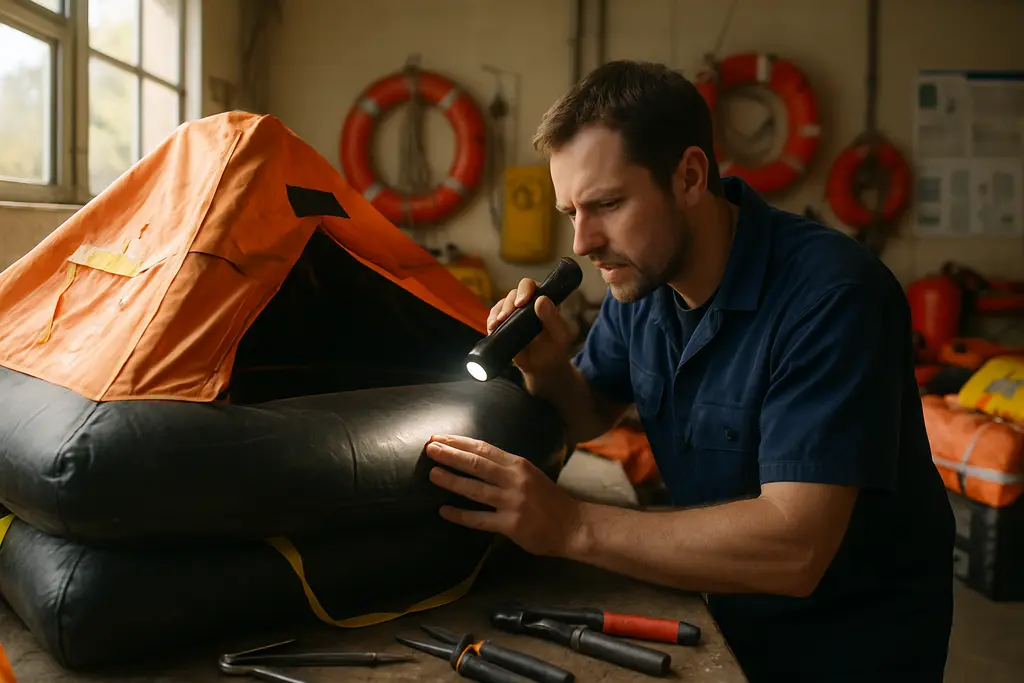
Inflatable life jackets, liferafts, buoyant apparatus, distress signals, and CO₂ cartridges all require date awareness. The research notes state that inflatable life jackets, liferafts, or buoyant apparatus must be serviced annually or sooner if damaged under the cited rules. They also state that lifesaving equipment with expiration dates should be replaced during annual inspection if the expiration date has passed. A simple tag or log entry can keep those dates from being overlooked.
Fire, Light, Bilge, And Battery Checks
Some emergency systems are easy to ignore because they sit quietly in brackets, lockers, or engine spaces. That quiet is exactly why they need deliberate checks. Fire extinguishers, navigation lights, bilge pumps, and batteries often give warning signs before they fail, but only if someone looks closely.
Fire Extinguisher Trip Checks
Fire extinguishers should be inspected before every trip. Check the tamper seal, nozzle condition, gauge pressure, corrosion, and expiration status. The research notes state that non-rechargeable extinguishers typically expire 12 years after manufacture. A full-looking extinguisher with corrosion, a broken seal, or an expired date should be handled before the boat leaves the dock.
Placement matters as much as condition. An extinguisher that is blocked by loose gear or stored where guests cannot identify it is less useful in a fast-moving fire. During the pre-departure briefing, point out the extinguisher locations and make sure adults aboard know not to move or cover them.
Lights, Pumps, Fuel, And Stored Power
Navigation lights should be checked in the conditions where they will be used. Turn them on, confirm they illuminate, and look for weak connections or visible damage. The 2024 incident data tied inadequate onboard navigation lights to deaths and injuries, so this is not a cosmetic check. It is a core visibility and collision-avoidance issue.
Bilge pumps and machinery-related systems also deserve pre-season testing. The research notes connect machinery failure with hundreds of incidents in 2024, which makes a dockside pump test a reasonable habit before the boat begins regular use. Confirm that the pump activates as expected and that the discharge path is not blocked.
- Check each PFD for fit, damage, and immediate access.
- Inspect throwable flotation and keep it ready for fast use.
- Test EPIRBs on the required schedule if your vessel carries one.
- Replace expired flares, CO₂ cartridges, and dated batteries.
- Inspect fire extinguishers before every trip.
- Test navigation lights and bilge pumps before regular use.
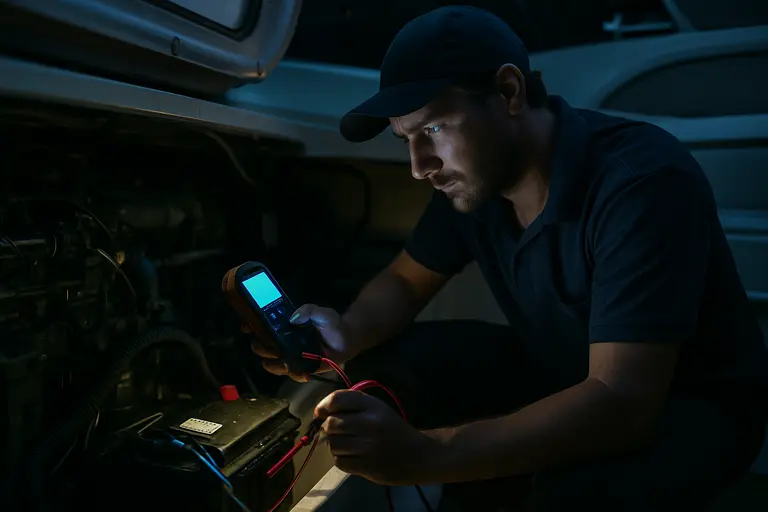
Battery and fuel care should not be left until launch morning. The research notes state that batteries in lifesaving equipment, except those in inflatable survival craft, must be replaced during annual inspections if the expiration date has passed or is unknown under the cited rules. They also state that fuel tanks must be emptied, cleaned, and refilled with fresh fuel once a year. Owners should apply the rules that govern their boat and follow manufacturer instructions for the exact equipment carried.
Emergency Equipment Maintenance For Busy Season Readiness
Emergency equipment maintenance works best as a repeated habit: annual service for dated gear, monthly checks where required, and quick trip checks for items that can be damaged, discharged, blocked, or misplaced. The routine should be simple enough that it actually gets done, yet specific enough to catch expired batteries, inaccessible PFDs, weak lights, and questionable extinguishers.
For recreational crews, emergency equipment maintenance is not about fear or paperwork for its own sake. It is about giving everyone aboard a better chance if weather shifts, machinery fails, smoke appears, visibility drops, or a person enters the water. A well-kept locker, a current log, and a short crew briefing can turn emergency gear from stored equipment into usable protection.