Washington Boating Safety education starts well before a vessel leaves the dock. For recreational boaters, the practical value is simple: know the card requirements, understand basic equipment rules, wear the right life jacket, and prepare for conditions that can change quickly. Washington State’s initiative gives boaters a structured place to begin, but it should be treated as a foundation rather than a substitute for current rules, local notices, weather checks, and sound judgment on the water.
Washington Boating Safety Starts With Education
Washington Boating Safety Course Basics
Washington requires certain operators to complete an approved boating safety course and carry proof through the state’s Boater Education Card. Operators of vessels with 15 horsepower or greater, born after January 1, 1955, must complete a boating safety course and carry the card, according to the Washington State Parks card page. The card is valid for life, and the state notes that it meets recreational boating requirements in Canada and many other states.
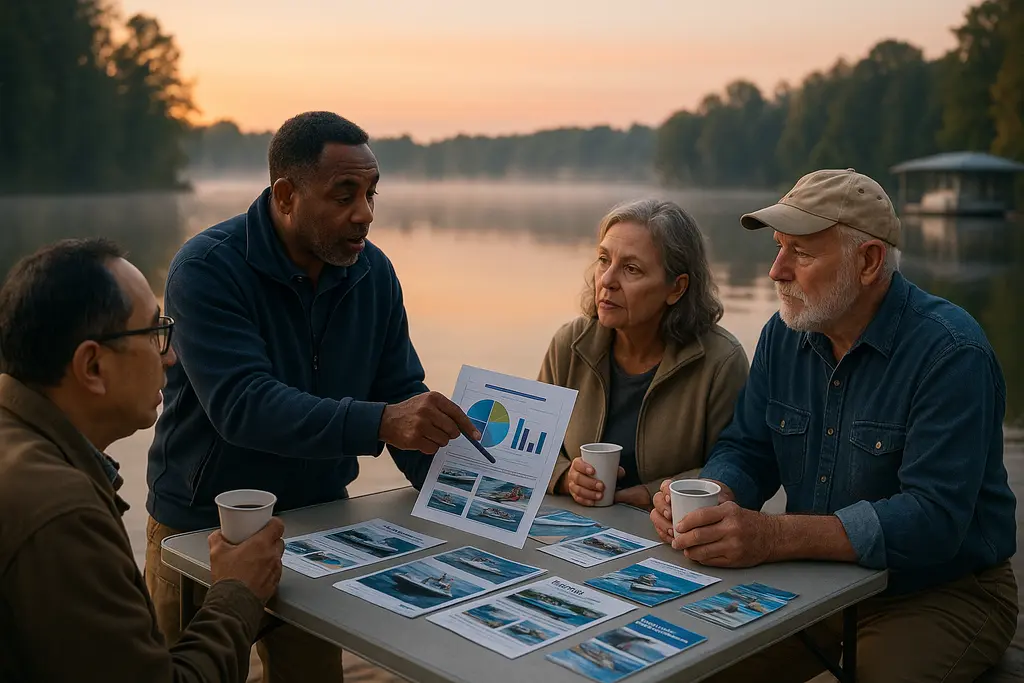
That requirement is not just paperwork. A course gives operators a shared safety language for right-of-way decisions, emergency response, required equipment, and responsible operation. New boaters benefit from learning these points before habits form. Experienced owners benefit by refreshing procedures that may be used rarely, such as responding to a person overboard, sudden low visibility, or a mechanical problem away from the ramp.
How To Use State Resources Before A Trip
State-approved boating safety courses are available online and in person, with course fees and learning formats varying by provider. That flexibility helps owners choose a format that matches their schedule, but boaters should confirm that the course is approved before relying on it for the card. Keep a copy of course completion records and card information with other vessel documents. Before a longer trip, registration and ownership records also support accountability; this safety-focused discussion of boat registration lessons explains why clear vessel records matter before leaving the dock.
- Confirm whether the operator needs a Boater Education Card based on vessel power and birth date.
- Choose a state-approved course rather than an informal safety video or unverified class.
- Carry the card during operation and keep backup trip documents organized ashore.
- Review equipment requirements each season, not only when buying a boat.
Life Jackets And Paddlesport Risk
Why Wearable Safety Gear Comes First
Washington’s recent safety emphasis has placed special attention on life jacket wear, particularly among paddlers. The state reported 13 fatal boating incidents in 2024, with 85% of victims not wearing a life jacket at the time of the incident. Research notes from Washington State Parks also report that between 2023 and 2024, paddlesports accounted for 61% of reportable boating fatalities, with 18 of 22 victims not wearing a life jacket.
Those figures point to a practical dockside rule: a life jacket stored under a seat is not doing its job when a person enters cold or rough water without warning. Kayaks, canoes, and paddleboards can put people close to the water with limited freeboard and little time to recover from a capsize. Motorboat passengers face similar risk during a fall, collision, sudden wake, or medical event. The safest habit is to wear a properly fitted U.S. Coast Guard-approved life jacket before the vessel or paddlecraft leaves shore.
Loaner Jackets And Fit Checks
Washington’s Life Jacket Loaner Program makes life jackets available for public use at various water access points at no charge. Loaner programs are helpful when a guest arrives without proper gear, but they should not replace personal planning. Sizing, comfort, and activity type matter. A jacket that rides up, restricts breathing, or cannot be secured correctly may create a false sense of readiness.
At the marina, I encourage owners to make life jacket checks part of passenger boarding. Ask each person to fasten straps or zippers, raise both arms, and confirm the jacket does not slide over the chin or ears. Children and non-swimmers need extra attention, and paddlers should choose gear that allows arm movement while still fitting securely.
Equipment Checks Before Leaving The Dock
Required Items For Small Craft And Powerboats
Washington boating equipment requirements apply broadly, including to kayaks and canoes. Research from the state notes that all vessels must carry U.S. Coast Guard-approved life jackets, a sounding device, and a white navigation light during low visibility conditions. For night operation or changing weather, review nighttime boating safety before relying on lights, speed, and route memory alone.
Required gear is the minimum. Washington also encourages boaters to carry extra safety equipment to increase survival chances in an accident. What that means in practice depends on the vessel, waterway, season, distance from shore, and crew ability. A short paddle near a launch still calls for a whistle and light in poor visibility. A larger powerboat may need a broader kit because mechanical failure, weather, and passenger needs can be harder to manage away from immediate help.
- Check every life jacket for approval labeling, fit, closure condition, and accessibility.
- Test the sounding device so it can be used quickly by any passenger.
- Confirm the white light works before dusk, fog, rain, or smoke affects visibility.
- Secure loose gear so it cannot block exits, bilge access, or emergency equipment.
- Review fuel, battery condition, drain plugs, dock lines, and basic tools before departure.
Maintenance Supports Safety Education
Education and maintenance belong together. A course can teach what equipment belongs aboard, but a dockside routine confirms whether that equipment is ready. Before the season, inspect lights, batteries, charging systems, bilge pumps, and line condition. During the season, repeat quick checks before each outing. After rough use, recheck fittings, paddles, oars, and safety gear storage. These habits are not glamorous, but they prevent small oversights from becoming high-stress problems on the water.
Stewardship And Clean Water Practices
Safe Boating Includes Clean Water Habits
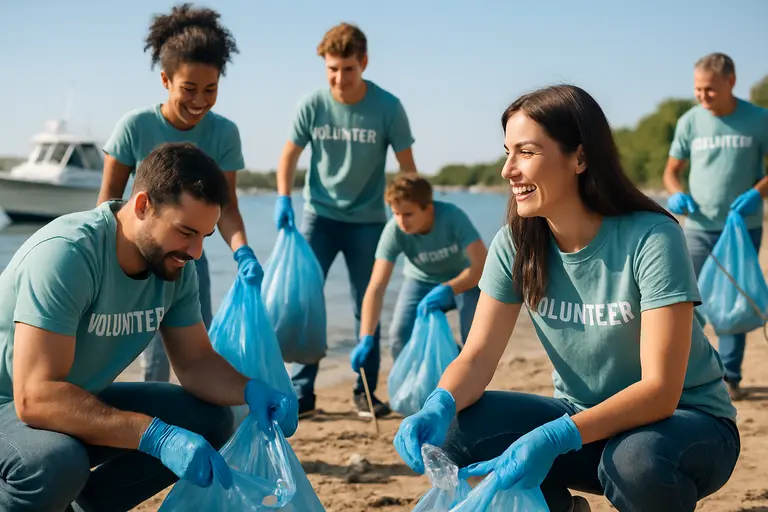
The state’s Recreational Boating Safety Program aims to reduce accidents and fatalities, increase stewardship of waterways, and keep recreational boating safe and enjoyable. That goal connects personal safety with care for shared water access. Clean water practices reduce avoidable hazards at marinas, ramps, anchorages, and swimming areas. Washington State Parks also administers a Clean Vessel Act Grant to fund pumpout and dump stations, helping keep waterways clean.
For boat owners, stewardship starts with ordinary decisions: use available pumpout stations, keep trash contained, prevent fuel spills during fueling, and avoid discharging waste where it can harm water quality. These actions are not separate from safety. A clean, orderly deck reduces trip hazards. A well-managed waste system limits odors and contamination. A careful fueling routine lowers fire and pollution risks.
Planning For Real Conditions
Boating education works best when it is applied to the day’s conditions. Before departure, match the boat, route, and crew to the expected weather, daylight, water temperature, and traffic. A capable operator should also be willing to delay or cancel a trip. No card, checklist, or piece of equipment removes the need to make conservative choices when wind, visibility, or crew readiness is not suitable.
For paddlers, condition planning deserves extra care. Paddlesports may appear simple because the craft are small, but the exposure can be greater. Cold water, wind drift, fatigue, and limited signaling range can turn a short outing into a serious event. Wearing a life jacket, carrying a sounding device, and bringing a working white light in low visibility are basic steps supported by the state’s equipment guidance.
Washington Boating Safety As A Daily Habit
Build A Repeatable Dockside Routine
Washington Boating Safety is strongest when education becomes routine. Take the approved course if required, carry the card when operating, and use state resources as a baseline for seasonal checks. Then make the daily routine simple enough that it actually happens: inspect life jackets, test lights, confirm a sounding device, check weather and visibility, and brief passengers before lines are released.
Limitations matter. This guidance does not replace the current Washington State Parks requirements, course provider instructions, local waterway rules, or official weather information. It is a practical framework for boaters who want to connect the state’s education initiative with real dockside decisions. The safest operators are not only those who know the rules; they are the ones who prepare the boat, equip the crew, and choose conditions that match their skill level.