Illegal Charter Operations drew sharper attention after recent Coast Guard enforcement reports showed that unsafe passenger-for-hire trips are not limited to peak summer weekends. For recreational boaters, the lesson is practical: a paid ride on the water should never be treated like a casual favor if the vessel is carrying passengers for compensation. Before boarding, passengers and trip organizers should confirm that the operator has the right credentials, the vessel is suitable for the number of people aboard, and basic safety equipment is visible and accessible.
Why Illegal Charter Operations Drew Coast Guard Attention
Illegal Charter Operations And The 2026 Enforcement Push
On September 10, 2026, the U.S. Coast Guard East District reported that, after a Labor Day holiday weekend enforcement surge under Operation Safe Voyage, crews conducted 114 safety boardings and terminated seven voyages, including two active unlawful passenger-for-hire trips, according to the Coast Guard East District release. That same release stated that, since 2021, nationwide enforcement actions against unlawful passenger-for-hire operators had resulted in more than 414 enforcement actions and proposed civil penalties totaling nearly $10.6 million.
The Coast Guard framed Illegal Charter Operations as a year-round issue in the East District, not only a summer concern. That matters because many boaters ease their guard after holiday weekends, when ramps and marinas feel less crowded. A quiet dock does not prove a vessel is properly documented, inspected, or crewed. The safer habit is to ask the same questions in October or February that you would ask on a busy August afternoon.
What Enforcement Activity Signals To Passengers
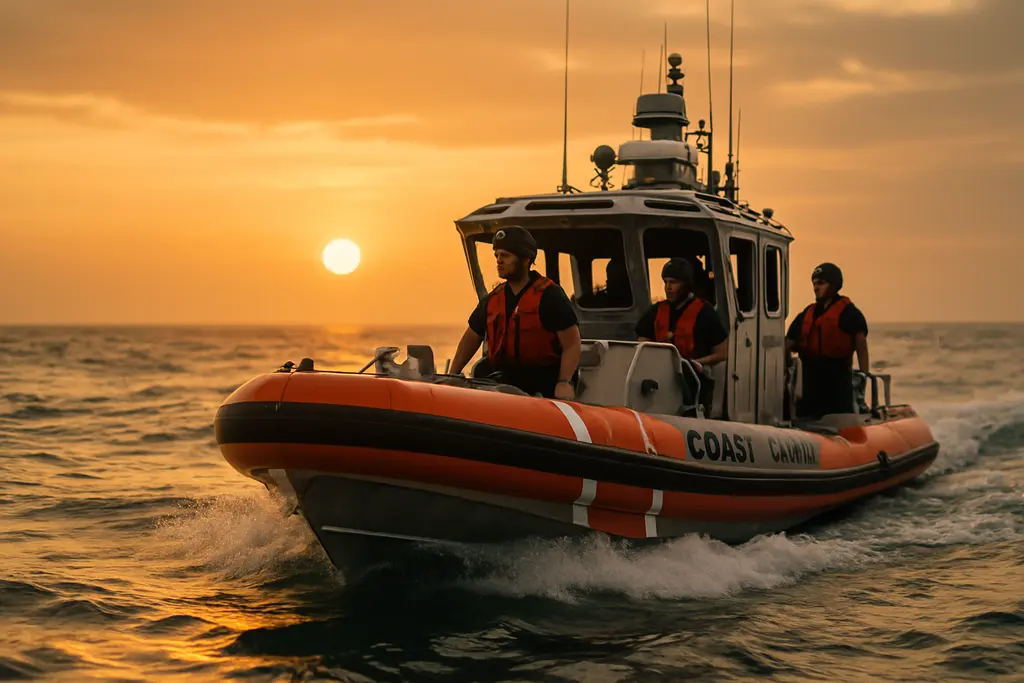
Enforcement numbers are not just statistics for operators. They give passengers a clear warning that a trip advertised as a private outing, informal tour, water taxi, or group celebration may still fall under passenger-for-hire rules if money or other compensation is involved. Coast Guard boardings during Operation Safe Voyage included checks for items such as life jackets, flares, fire extinguishers, captain credentials, and charter contracts. Those are not minor details; they are the layers that help separate a lawful, planned trip from a risky ride.
A passenger does not need to understand every inspection category to make a safer choice. The practical approach is to slow the decision down before paying, boarding, or inviting others. If the operator cannot clearly answer who is in command, what credentials apply, how many passengers may be carried, and where safety gear is located, that uncertainty should carry real weight.
Safety Risks Behind Passenger-For-Hire Trips
Credentials, Inspection, And Passenger Limits
The research record points to recurring safety concerns: operators may lack a Coast Guard-licensed captain, carry more than six paying passengers without a valid Certificate of Inspection, operate without required documentation, or skip required drug and alcohol testing programs. Each issue affects passenger safety in a different way. A credentialed captain has a documented role and accountability. An inspection certificate helps show that a vessel carrying a larger passenger load has met the inspection standard that applies to that use. Proper documentation helps enforcement teams verify what the boat is allowed to do.
Passenger limits deserve special attention because crowding changes how a boat handles, how people move in an emergency, and whether everyone can reach flotation gear. A recreational vessel that feels roomy at the dock can feel very different once passengers, bags, coolers, and weather changes enter the picture. If an operator waves off questions about headcount or says limits are flexible, that is a safety warning rather than a courtesy.
Puerto Rico Enforcement As A Practical Example
On May 3, 2025, Coast Guard Station San Juan and Sector Puerto Rico halted three vessels named “Hecht,” “El Lindo,” and “Making Waves” in Fajardo, Puerto Rico; one had operated despite a previous Captain of the Port Order, and enforcement in that area over the prior year had produced 18 voyage terminations, according to a Coast Guard bulletin. For boaters, that example shows why a single warning or prior order should not be treated as paperwork friction. If a vessel has already been restricted by a Captain of the Port Order, continued passenger service raises a serious safety and compliance concern.
This is also where passengers can protect themselves with plain questions. Ask whether the vessel is operating as a passenger-for-hire trip, whether the captain holds the needed credential, and whether the boat has the inspection status required for the passenger count. If the answers are vague, defensive, or delayed until everyone is already aboard, the safer choice is to step back.
What Recreational Boaters Can Do At The Dock

Questions To Ask Before Boarding
Most safer decisions happen before the lines are cast off. A calm dockside check can feel awkward, but it is far easier than trying to solve a safety problem underway. The same verification mindset used in other safety-sensitive settings applies here; a related site in the same network, Alliance Recruitment, underscores the critical importance of credentials in any role that demands trust in someone’s expertise. On the water, though, boaters should rely on Coast Guard information, operator documents, and direct safety checks rather than assumptions.
- Ask whether the trip is passenger-for-hire and who is legally serving as captain.
- Ask to see the captain credential or inspection certificate when the passenger count calls for it.
- Confirm that life jackets are aboard for all passengers and that child-sized gear is available when children are present.
- Look for basic emergency equipment such as flares and fire extinguishers, consistent with Coast Guard boarding checks noted in enforcement reports.
- Confirm the passenger count before departure and avoid boarding if the boat appears overloaded.
- Ask where the trip will go, how weather or sea state will be handled, and how the operator will communicate if plans change.
Red Flags That Warrant Walking Away
A low price, a last-minute social media offer, or a casual cash request should not distract from safety basics. Red flags include reluctance to name the licensed captain, pressure to board quickly, unclear passenger limits, missing life jackets, no visible fire extinguisher, or a claim that inspection rules do not apply because the boat is “private.” A private-looking boat can still be used in a passenger-for-hire setting if compensation is part of the arrangement.
Boaters who want a deeper safety checklist can review this related discussion of charter operation safety risks, then apply the same thinking at the dock: verify first, board second. That habit helps protect guests who may not know what questions to ask, including visitors, children, older passengers, or anyone unfamiliar with local waters.
Illegal Charter Operations: Practical Boater Takeaways
Illegal Charter Operations create risk because they can hide missing credentials, weak documentation, poor passenger control, and safety gear gaps behind a pleasant sales pitch. The Coast Guard’s 2026 enforcement reporting showed that boardings and voyage terminations continued after the Labor Day holiday weekend, which means passengers should treat safety checks as a normal part of any paid boating arrangement.
The safest passenger is an informed passenger. Before you pay or board, confirm who is operating the vessel, what passenger count is allowed, and whether the boat has the required safety equipment for the people aboard. If the operator cannot answer directly, do not let embarrassment or group pressure carry you onto the boat. A missed outing is inconvenient; an unsafe passenger-for-hire trip can place everyone aboard in a situation they cannot easily leave.
For recreational boat owners, the takeaway is just as direct. If you carry friends, keep safety gear current and visible. If money or compensation enters the picture, do not assume recreational habits are enough. Passenger-for-hire activity brings added requirements, and the Coast Guard’s recent actions show that enforcement has continued beyond holiday weekends. The practical path is simple: verify, prepare, and avoid Illegal Charter Operations before they become an emergency on the water.