Marine weather preparedness begins before a line is slipped, not after the wind has already backed against the tide. A forecast is not a promise; it is a practical decision tool that helps a skipper compare wind, seas, visibility, storms, crew limits, and the safest return options. I treat the forecast as part of the vessel’s equipment, because a boat that is mechanically ready can still be unsafe if the weather plan is thin.
Marine Weather Preparedness Starts Before Departure
The first safety step is to read a marine forecast from an official source, then keep checking it while underway. NOAA’s National Weather Service says marine forecasts may include wind speed and direction, wave heights and periods, visibility, and threats such as fog or thunderstorms, with many forecasts updated every six hours NOAA marine forecast guidance. Those details matter because a comfortable trip can change character quickly when wind direction shifts, wave period shortens, or visibility drops near a channel entrance.
Marine Weather Preparedness Forecast Checks
Good marine weather preparedness compares the forecast against the boat, not just the calendar. A calm-looking morning is not enough. Before departure, review the expected wind direction for your route, the wave height and period for exposed water, the chance of thunderstorms or fog, and the expected conditions near your planned return time. If the forecast is marginal, shorten the plan or stay secured. The safest decision is often made at the dock, where turning back costs little.
Use more than one way to receive weather while underway. A phone forecast can be useful near shore, but it should not be the only channel. NOAA Weather Radio and a working marine VHF radio help crews hear sudden changes such as thunderstorms, waterspouts, dense fog, or squalls. The research notes also identify Special Marine Warnings as short-duration alerts for dangerous conditions such as squalls with strong gusts, hail, or waterspouts. Treat that kind of warning as a prompt to reduce exposure immediately, not as background noise.
Read The Warning Language
Advisories and warnings are not all the same, and local thresholds can vary by region. A Small Craft Advisory signals conditions that may be hazardous for smaller vessels, while stronger wind warnings point to conditions that can overpower many recreational plans. The exact words matter less than the operational question: can your boat, crew, route, and return window handle the forecast with a safety margin? If the answer depends on luck, delay the trip.
For a comprehensive pre-departure briefing, you can explore a related network site, such as Wakefield Rep, after completing the essential safety checks and plans. Supplemental local resources can be useful but should not replace official marine information.
Boat And Crew Checks When Forecasts Deteriorate
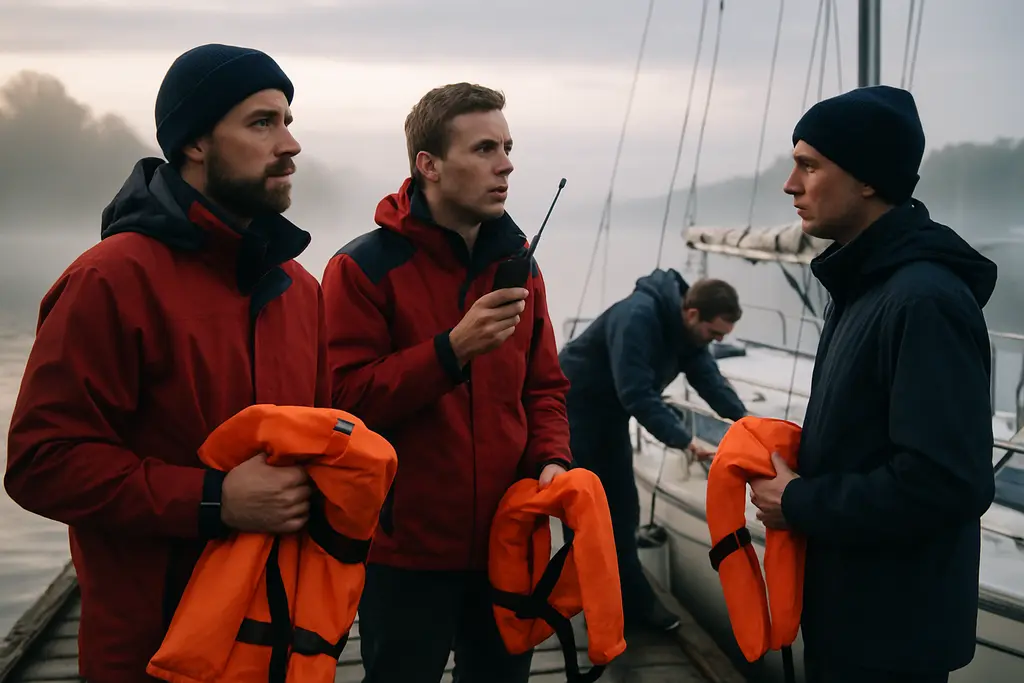
A hazardous forecast is not only a weather problem. It tests fittings, batteries, bilge systems, crew movement, and communication habits. Before leaving, file a float plan, verify life jackets, and inspect core safety gear. NOAA advises boaters to make a float plan, use properly fitted U.S. Coast Guard-approved life jackets, and check safety equipment before departure NOAA boating safety tips. A float plan should be left with someone responsible ashore and should include the route, destination, passenger count, vessel description, and expected return time.
Life Jackets, Float Plans, And Radios
Life jackets should be reachable, fitted, and worn when conditions are uncertain. The best life jacket is the one already on a person before a sudden wake, cold shock, or stumble across a wet deck. Children, weak swimmers, guests unfamiliar with the boat, and anyone on open decks in building weather deserve special attention. A skipper should explain where the VHF radio is, how to call for help, and how to stop the engine if the operator becomes unable to continue.
- Check that each person has a properly sized, serviceable life jacket.
- Confirm the VHF radio works and that the crew knows its basic emergency use.
- Leave a float plan with a shore contact before departure.
- Review the nearest safe harbors or protected routes before leaving the dock.
- Set a return time that allows room for slower speeds if seas build.
Deck, Bilge, Lines, And Loose Gear
Weather stress often finds the small weakness: a loose dock line, a tired battery, an unsecured cooler, or a bilge pump that has not been tested since spring. Before a trip under a questionable forecast, run the bilge pump, check that scuppers are clear, secure loose deck gear, and inspect lines and fenders. If a major storm or tropical threat is possible, the research notes support starting a severe weather plan at least 72 hours before impact. That early window gives owners time to add mooring lines, secure loose equipment, gather flashlights, and prepare basic hull patching supplies where appropriate.
Cold water deserves equal respect. Air temperature can make the day feel mild while the water remains dangerous. Protective clothing, thermal layers, or drysuits may be appropriate where water temperatures are low. This is not about comfort alone; cold water can reduce useful movement and judgment quickly. If crew members are not dressed for immersion, reduce the plan to match that risk.
Decisions Underway When Conditions Change
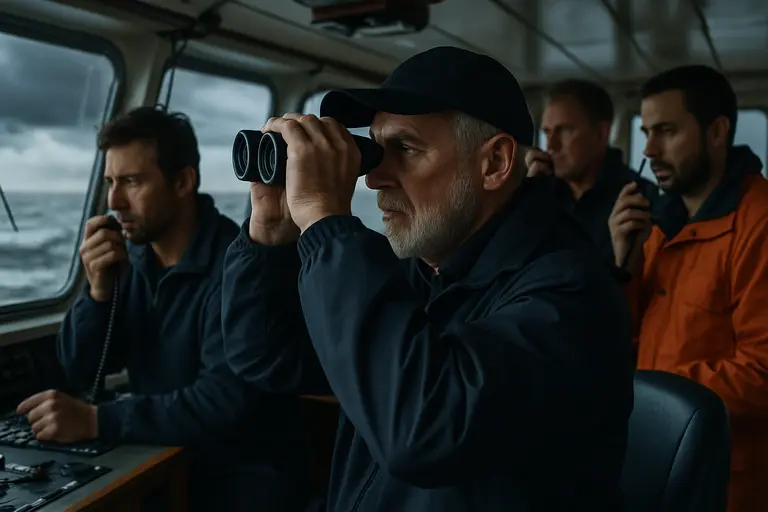
Marine weather preparedness does not end at the breakwater. Conditions can shift faster than a recreational schedule. If wind rises, visibility falls, or thunder is heard, shorten the trip and change the pace. A skipper’s job is not to prove the boat can continue; it is to keep people within the safest available margin.
Slow Down And Shorten The Plan
When weather worsens, reduce speed so the hull meets waves with less shock and passengers can stay braced. Ask passengers to sit low and near the centerline when practical. Avoid unnecessary movement on deck. If the safest harbor is behind you, turn early rather than waiting until sea state, traffic, or visibility makes the turn harder. If shelter is closer than the original destination, choose shelter.
Speed deserves special care in fog, squalls, and rain. A fast boat with poor visibility is still blind. Use sound judgment, assign a lookout where safe, and keep enough distance from other traffic, shoals, and fixed aids. Electronics can help, but GPS and chart plotters do not remove the need to look, listen, and slow down.
Visibility, Lights, And Electronics
If visibility drops, turn on navigation and deck lights as conditions require, verify your position with chart tools, and keep the VHF on. Do not let the chart plotter become the only picture of the water. The screen may show where you are relative to charted features, but it will not guarantee that another small craft, paddlecraft, floating debris, or unlit hazard is clear of your track.
| Condition | Safer Response | Reason |
|---|---|---|
| Fog Or Heavy Rain | Slow down, use lights, post a lookout if safe | Reaction time and visibility are reduced |
| Thunderstorms Nearby | Seek shelter or return early | Wind, lightning, and waves can rise quickly |
| Building Seas | Shorten the route and secure passengers | Motion and deck risk increase |
| Squall Warning | Reduce exposure and prepare for sudden gusts | Short-duration events can still be dangerous |
Weather Preparedness: Essential Tips For Boaters Ahead Of Hazardous Marine Forecasts
Marine weather preparedness is a habit built from small, repeatable checks: read the forecast, respect warnings, test equipment, fit life jackets, file a float plan, and leave room to cancel. The limits are worth stating clearly. No checklist can make a hazardous forecast safe, and no article can replace official local forecasts, VHF alerts, or the judgment of a qualified skipper on scene. If the route depends on perfect timing, steady visibility, or a crew that has never practiced basic safety steps, the better choice is to wait.
On the water, restraint is a skill. The safest operators I know are not the ones who talk most confidently about rough weather; they are the ones who leave early, return early, or stay tied up when the forecast asks too much of the boat. Treat marine weather preparedness as part of seamanship, and every pleasant day afloat will have a stronger margin behind it.