Recent Coast Guard operations give recreational boaters a practical reminder: safe trips are built before the engine starts. Enforcement patrols, rescue cases, public warnings, and annual incident data all point toward the same habits—wearing the right life jacket, staying sober, respecting passenger limits, checking weather and equipment, and questioning unsafe passenger-for-hire trips. These steps do not remove every hazard on the water, but they give crews a stronger margin when a routine outing changes quickly.
How Coast Guard Operations Shape Safer Choices
Boardings Turn Rules Into Real-World Checks
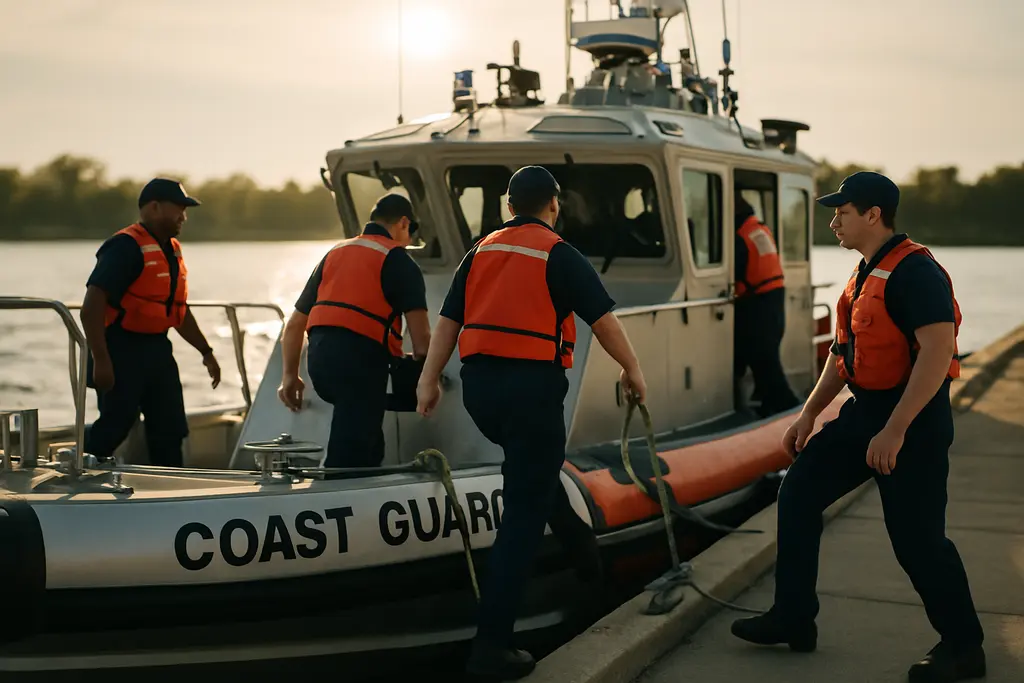
Safety boardings can feel formal, yet their value is simple: they compare the vessel in front of the boarding team with the safety expectations that protect people aboard. A September 10, 2026 Coast Guard East District enforcement push after Labor Day recorded 114 safety boardings and seven terminated voyages, including two illegal passenger-for-hire operations. The same effort included about 150 educational safety flyers and 22 patrol hours along parts of North Carolina. For boaters, that pattern shows that enforcement is not only about penalties. It is also about catching risk before a disabled vessel, an overloaded deck, or missing lifesaving gear becomes a search-and-rescue case.
Coast Guard Operations And The Small-Boat Risk Pattern
The national data gives these actions context. In calendar year 2024, the United States recorded 3,887 reported recreational boating incidents, with 556 deaths, 2,170 injuries, and about $88 million in property damage, according to the 2024 Recreational Boating Statistics. The fatality rate was 4.8 deaths per 100,000 registered recreational vessels, slightly lower than 4.9 in 2023. Those figures are not abstract. They describe family outings, fishing runs, harbor cruises, and short rides that went wrong.
The same 2024 statistics reported that drowning accounted for 76% of deaths where the cause was known. In fatal cases where life jacket use was known, 87% involved people who were not wearing them. Boats under 21 feet accounted for four out of every five fatalities where vessel length was known, and alcohol use remained the leading known contributing factor in fatal boating incidents. The value of Coast Guard operations is clearest against that backdrop: the most basic checks often address the risks most closely tied to death on the water.
Lessons From Recent Rescues And Casualties
Capsizing Cases Show How Fast Conditions Change
On July 3–15, 2026, the Coast Guard suspended search efforts for three people missing after a boat capsized while a group was scattering ashes in San Francisco Bay. The incident involved a vessel carrying 20 family members and friends and resulted in at least one death, as reported by the Alcatraz-area sinking report. Reports like this should not be read as distant tragedies. They should prompt every skipper to ask whether the boat is suitable for the number of people aboard, whether everyone can put on a life jacket quickly, and whether the crew has practiced what to do if passengers enter cold or moving water.
Capsizing risk is not limited to one type of boat or one harbor. Passenger movement, wake, wind, loading, and water conditions can combine quickly. A captain who briefs guests before departure is not being overly cautious. The briefing should cover where life jackets are stored, who is wearing them, how to stay low and balanced while moving, and what to do if the operator gives an urgent instruction. Short, calm instructions work best because frightened passengers rarely absorb a long speech after trouble starts.
Taking On Water Requires Early Action
On July 16, 2026, a 51-foot vessel named Eagle One Express, carrying 36 people near Annette Island, Alaska, began taking on water. Coast Guard boat crews and good Samaritan vessels helped beach the vessel, and everyone was safely disembarked. The details available from the research do not identify every mechanical factor, so boaters should avoid guessing at the cause. The safety lesson is still clear: water intrusion deserves immediate attention, even if the boat still feels controllable.
Before departure, crews should confirm that bilge areas are not already wet beyond normal expectations, that pumps activate as intended, and that through-hull areas are watched for leaks. If water appears while underway, the operator should slow the situation down: account for every person, put life jackets on anyone not already wearing one, make a distress call if needed, move people away from the lowest or affected area, and head for the safest practical landing only if the boat remains controllable. These are judgment calls, and conditions matter. No checklist can replace seamanship, but a practiced crew reacts sooner.
Charter Warnings And Passenger-For-Hire Safety
Illegal Charter Clues Matter To Guests
Coast Guard warnings in 2026 described illegal charter risks such as operators lacking proper credentials, carrying too many passengers, lacking a required Certificate of Inspection, or missing required safety equipment. Research notes from Fort Lauderdale in July 2025 also described nine terminated illegal charter operations, with safety violations ranging from missing life jackets to lack of drug and alcohol testing. These cases matter because passengers often assume a paid trip has already been vetted. That assumption can be wrong.
Guests do not need to become inspectors, but they can ask plain questions before boarding: Who is the credentialed operator? How many passengers is the boat allowed to carry? Where are the life jackets? Is the trip a private recreational outing or a passenger-for-hire trip? If the answers are vague, rushed, or dismissive, the safest choice may be to decline the trip. For a deeper local safety angle, this site’s discussion of Coast Guard safety tips connects the same themes—life jackets, sober operation, weather checks, float plans, and safer small-boat habits.
Documentation Should Be Clear Enough For Crews
Boat clubs, marinas, and volunteer groups can reduce confusion by writing safety notices in plain language. A posted procedure that nobody understands is not very useful during a busy launch window. If a group maintains handouts, website notices, or event instructions, reviewing sentence clarity, emergency contact details, and trip limits can help passengers know what to expect. For a related plain-language writing resource, a site that offers guidance on clear and effective communication, can be invaluable in ensuring safety measures are clearly understood and implemented during emergencies.
Practical Readiness For Recreational Crews
Use The Data Before Leaving The Dock
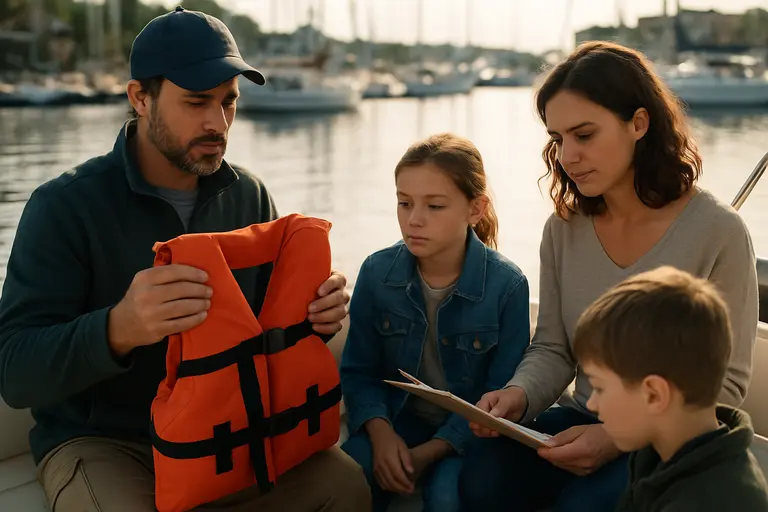
Annual statistics are most useful when they change behavior. Since drowning and life jacket non-use appear so strongly in fatality data, the safest habit is to wear a properly fitted life jacket rather than only store it aboard. Since alcohol use remained the leading known contributing factor in fatal incidents in 2024, the operator should stay sober, and guests should understand that impairment affects balance, judgment, and reaction time on a moving boat. Since smaller boats appear heavily in fatality data, crews in open skiffs, small runabouts, and compact fishing boats should be especially conservative about weather, loading, and distance from safe landing.
- Assign a sober operator before departure, not after plans change.
- Have each passenger wear a life jacket that fits before the boat leaves the dock.
- Check passenger count and loading so the boat is not crowded or off-balance.
- Brief guests on where to sit, how to move, and what to do if someone falls overboard.
- Inspect bilge spaces, pumps, fuel areas, lines, and required safety gear before casting off.
- Leave a float plan with a responsible person who knows the route and return time.
Education Campaigns Reinforce The Same Habits
The 2026 Operation Dry Water campaign took place over the Independence Day weekend, July 3–5, 2026. Research notes state that since 2009 the campaign has removed nearly 8,000 impaired operators from U.S. waterways and reached more than 3.3 million boaters with outreach. Those figures show why education and enforcement are paired. A patrol may stop an unsafe operator on one day, while a safety course, dockside conversation, or marina flyer may prevent a bad departure on another.
The Coast Guard also launched the 2026 National Recreational Boating Safety Survey to collect state-level data on how many people go boating, what types of boats they use, and how often. That kind of survey helps safety programs understand exposure, not only accidents. Still, data cannot predict the exact risk on a single afternoon. Local weather, water temperature, vessel condition, operator attention, and passenger behavior remain decisive at the boat level.
Coast Guard Operations And Boating Safety Habits
Turn Enforcement Lessons Into Routine Practice
Seen from the helm, Coast Guard operations are not distant government activity; they are a mirror for everyday boating habits. Boardings highlight missing gear. Charter enforcement highlights credential and passenger-limit concerns. Rescue cases highlight how fast capsizing or flooding can move from inconvenience to life threat. Annual statistics highlight the repeated role of drowning, life jacket non-use, alcohol, and small-vessel exposure.
A safer recreational trip starts with modest actions done every time: wear the life jacket, keep the operator sober, keep the boat within its limits, look at weather before departure, inspect equipment, brief the crew, and avoid passenger-for-hire trips that cannot answer basic safety questions. Coast Guard operations cannot make every decision for a skipper, and they cannot remove all hazards from open water. They can, however, give boaters a clear pattern to follow. The strongest response is not fear of inspection; it is steady preparation before the boat ever leaves the slip.