Boating Safety Resources are most useful when boat owners treat them as part of everyday trip planning, not as one-time paperwork. A marina office, dockmaster, local boating class, safety-day event, or Coast Guard Auxiliary visit can help crews check habits before small problems become emergencies. These programs do not replace the operator’s responsibility to carry required gear, follow local rules, and make safe decisions on the water, but they can give boaters a clearer way to prepare.
Local support matters because recreational boating risk is often tied to ordinary choices: wearing a life jacket, checking equipment, knowing the rules of the waterway, avoiding impaired operation, and briefing passengers before leaving the slip. The U.S. Coast Guard reported 564 recreational boating fatalities in 2023, down from 636 in 2022, and also reported that 75 percent of deaths occurred on vessels operated by people who had not received boating safety instruction Coast Guard statistics. That figure does not tell the full story of any single trip, but it does show why education and local outreach deserve a place in marina planning.
Why Local Programs Matter
Marinas Are Natural Safety Contact Points
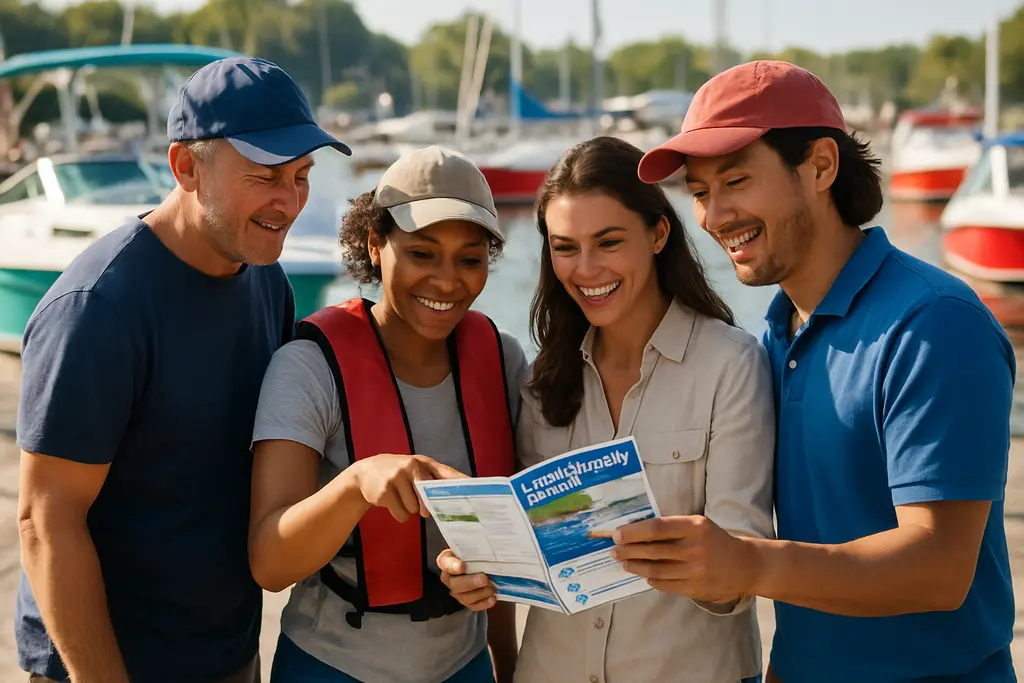
Marinas sit at the point where preparation meets departure. A boater may pass the fuel dock, office, launch ramp, pump-out station, and slip walkway before ever reaching open water. Each of those contact points can reinforce safety in a practical way. Posted reminders, available brochures, float plan prompts, and conversations with trained volunteers can help boaters slow down and check whether the crew is ready.
For marina managers and service directory editors, the safest approach is to list resources that are current, verifiable, and clearly described. A useful directory entry should state what the resource offers, who provides it, whether there is a fee, how to request help, and whether scheduling is required. Avoid vague claims such as “approved,” “certified,” or “best” unless the source clearly supports that wording. If details are uncertain, say so and direct boaters to confirm before relying on the listing.
Community Programs Support Better Habits
Community programs help make safety less abstract. A boater who reads about life jackets may understand the advice, but a local safety-day demonstration can show how fit, access, and crew communication affect real use. A new owner may know that required equipment matters, but a dockside conversation can reveal whether flares are expired, fire extinguishers are accessible, or navigation lights are working.
Boating clubs, youth groups, paddling groups, and family recreation organizers can also help reinforce safe behavior when they share consistent messages. For those looking for related resources to enhance community planning outside the marina setting, a network resource like Talk and Play can offer valuable support, while boaters should still confirm all boating-specific requirements through official marine safety channels.
How Boating Safety Resources Reduce Risk
What Boating Safety Resources Should Include
Good Boating Safety Resources should point boaters toward instruction, equipment checks, sober operation reminders, local hazard awareness, and passenger briefings. They should also explain limits. A dockside review can help identify missing or poorly stored gear, but it is not a guarantee that a boat is seaworthy in every condition. A class can improve understanding, but it cannot substitute for judgment in changing weather, reduced visibility, heavy traffic, or unfamiliar water.
The Coast Guard’s Recreational Boating Safety Visitation Program is one example of structured outreach. The program works with marinas, marine dealers, rental facilities, and other local businesses through qualified Program Visitors who distribute free safety materials, promote vessel safety checks, and offer boating safety education safety visitation notice. For a marina directory, that type of program is worth noting because it connects boaters with repeat, local contact rather than a single web page.
Turning Information Into A Dockside Routine
A resource list is only useful if it changes behavior. Before leaving the slip, the operator should know who is aboard, where safety gear is stored, how to call for help, and what the weather and waterway conditions may require. Crew members should know how to move safely on deck, how to point out traffic or hazards, and how to avoid distracting the operator in tight quarters.
Boaters can keep the process simple by pairing each local resource with an action. A boating class should lead to a better crew briefing. A vessel safety check should lead to corrected equipment gaps. A marina safety handout should lead to a review of fuel, fire, and line-handling procedures. Boating Safety Resources work best when they become repeated habits before departure and after return.
Using Marina Directories Without Overtrusting Them
Check Dates, Scope, And Provider Details
Directories can help boaters find classes, visitation programs, marina safety days, and local contacts, but they should not be treated as permanent proof that a service is available. Program dates, volunteer availability, marina participation, and class schedules can change. A safe listing should include the source organization, the service area, the last known update, and a clear note asking boaters to confirm details before arrival.
Boat owners should also separate education from inspection. A vessel safety check or safety conversation may help identify common concerns, but maintenance remains the owner’s duty. Engines, steering, bilge pumps, batteries, fuel systems, lights, radios, and ground tackle should be checked on a schedule that fits the boat, its age, and how it is used. If a defect affects safe operation, do not rely on a class or handout to solve it; arrange qualified service before the next trip.
Use Local Knowledge Carefully
Local knowledge is valuable, especially around shoaling, current, no-wake areas, fuel dock traffic, bridge openings, and busy launch ramps. Still, informal dock talk should be checked against official notices, charts, marina instructions, and direct observations. If two sources disagree, choose the safer option and slow down until conditions are clear.
For broader planning, an internal resource such as local marina safety checks can fit well with a marina directory because it focuses on practical readiness: life jackets, fire prevention, float plans, weather awareness, and community contacts. Use those reminders alongside current local guidance, not in place of it.
Building A Practical Local Safety Plan
Make The Plan Easy To Repeat
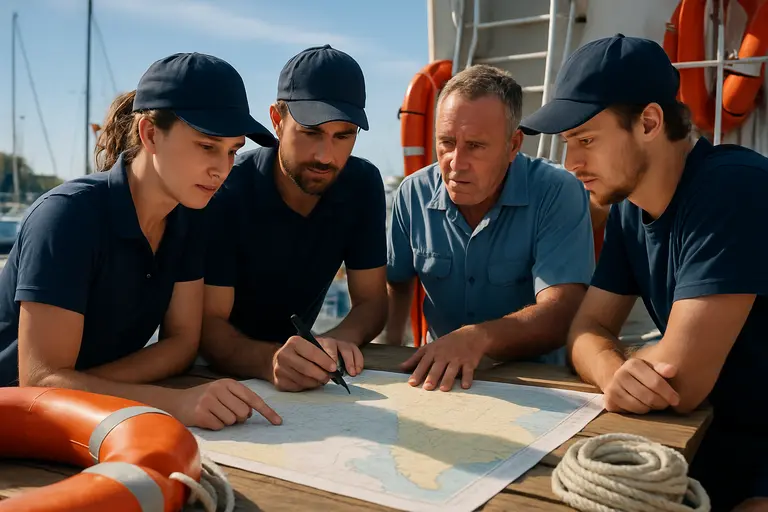
A local safety plan should be short enough to use every time. Start with the route, weather, fuel, communications, required equipment, and passenger needs. Then add marina-specific details: fuel dock hours, pump-out location, emergency contact process, launch ramp traffic patterns, and any special hazards near the basin entrance. Keep a copy aboard and update it when the boat moves to a new marina or cruising area.
Families and occasional guests need special attention. People who do not boat often may not know how to board safely, where to sit, or why sudden movement can affect balance. A two-minute briefing at the dock can prevent confusion later. Point out life jackets, fire extinguishers, throwable flotation, radio use, and the safest place to hold on while docking. Keep the tone calm and direct; fear does not teach as well as clear instruction.
- Confirm life jackets are the right size, reachable, and understood by every passenger.
- Check navigation lights, horn or sound signal, bilge pump, battery condition, and fuel level before departure.
- Review weather, tide or current where relevant, marina traffic, and any known local restrictions.
- Assign a lookout when leaving crowded basins, entering channels, or returning near sunset.
- Leave a float plan with a reliable person who knows when to raise concern.
These steps are not a substitute for formal instruction, but they help connect instruction to action. Boating Safety Resources should make the safe choice easier at the exact moment a crew is getting ready to cast off.
Local Boating Safety Resources For Safer Marina Days
Local Boating Safety Resources are strongest when marinas, boat owners, educators, and safety volunteers share the same practical goal: fewer preventable problems on the water. A marina directory can support that goal by listing verified programs, explaining what each service does, and avoiding inflated claims. A boat owner can support the same goal by using those listings before the season starts, before taking guests aboard, and after any equipment change.
The safest habit is to treat local programs as a steady support system. Ask about vessel safety checks, keep education current, read marina notices, and build a repeatable dockside routine. No resource can remove all risk from boating, but clear local contacts and consistent preparation can help crews make better decisions before they leave the dock.