Boating rescue tips begin long before a flare is raised, a beacon is activated, or a crew member calls for help. From my seat at the helm and chart table, the pattern is plain: the best emergency response is usually built from ordinary habits practiced before departure. A fitted life jacket, a sober operator, a float plan left ashore, and a clear crew briefing can shorten the time between trouble and assistance.
The U.S. Coast Guard reported that recreational boating incidents in 2024 involved 556 deaths, 2,170 injuries, and about $88 million in property damage. The same Coast Guard safety discussion reported that 87% of drowning victims in 2024 were not wearing a personal flotation device, and boats under 21 feet accounted for about four out of five boating deaths Coast Guard safety journal. Those figures do not predict any one trip, but they do point toward practical priorities for small-boat crews.
Boating Rescue Tips Start Before Trouble
Boating Rescue Tips For The First Minute
The first minute of an emergency is often noisy and confusing. A person may be in the water, the boat may have lost power, or weather may be building faster than expected. Crews should know who takes the helm, who accounts for passengers, who reaches for flotation, and who handles signaling equipment. Assigning those roles at the dock takes less time than finding them under stress.
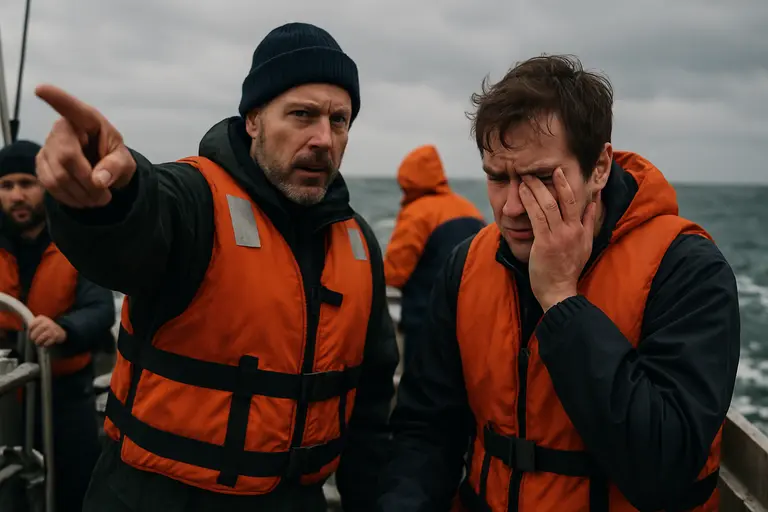
Keep instructions short. “Point at the person in the water,” “throw flotation,” “stay seated,” and “hold on” are easier to follow than long explanations. If the operator is alone, the safety routine must be even simpler: wear the life jacket, use the engine cut-off device where required, keep signaling gear reachable, and avoid leaving the helm to search through lockers once the situation has started.
Life Jackets Before The Alarm
A life jacket stored under a cushion is not the same as a life jacket worn correctly. The Coast Guard data in the research showed drowning as the dominant fatal pattern over recent years, with a high share of drowning victims not wearing a PFD. For small boats, paddlecraft, and cold or moving water, wearing the device before trouble starts is the safer habit.
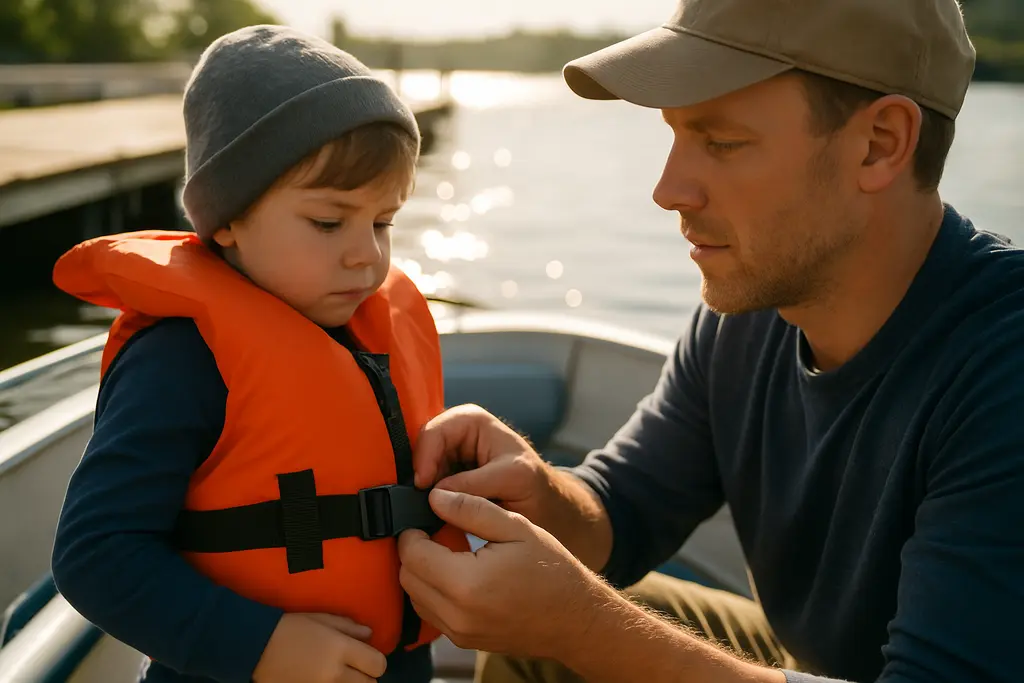
Fit matters. A jacket that rides over the chin, cannot close, or is not suited to the activity may fail when the person is tired or shocked. Children, weak swimmers, paddlers, and anyone on deck in rougher water should be checked visually before leaving the dock. These boating rescue tips are not a promise of survival; they are risk-reduction steps that give rescuers more time and give the person in the water more flotation.
Weather, Size, And Crew Readiness
Small Boats Need Early Decisions
Small craft give wonderful access to coves, rivers, and nearshore waters, but they leave less margin when wind, current, wake, or loading errors stack up. The 2024 research cited boats less than 21 feet in a large share of deaths. That does not make small boats unsafe by themselves. It means the operator should decide early: reef, turn back, slow down, move weight lower, or seek shelter before the boat and crew are already strained.
Paddlecraft deserve the same respect. The research noted that paddlecraft deaths made up 27.2% of boating deaths in 2024, with stand-up paddleboard deaths reaching 29. A kayak or board can drift quickly from shore, especially when breeze and current oppose a tired paddler. Carrying a beacon or other signaling method, wearing a PFD, checking the forecast, and telling someone the intended route are basic rescue preparations, not extras.
Weather Checks Are Rescue Prep
Weather is not just a comfort issue. It affects visibility, sea state, crew balance, fuel use, and how quickly a rescuer can locate a vessel. A good dockside check includes wind direction, expected changes, water movement, temperature, and the return window. On the water, watch cloud height, darkening lines on the horizon, sudden wind shifts, and a confused chop. If the sky starts writing a warning, accept it early.
Boaters should avoid treating fair weather as a guarantee. Research notes said many incidents happen in conditions that can appear manageable, which can tempt operators to relax their lookout, increase speed, or let distractions take over. A steady lookout and moderate speed are rescue tools because they reduce the chance that the emergency begins at all.
Equipment That Helps Rescuers Find You
Signals, Beacons, And Float Plans
Rescue crews can work faster when they know where to look and what they are looking for. A float plan should name the boat, describe the hull, list the people aboard, show the route, and give an expected return time. Leave it with a reliable person ashore who understands when to raise concern. A paper notebook can help crews keep route notes and gear locations in one place; a related network resource, The Sketchbook Project, shows the importance of maintaining detailed written records, though emergency float plans should always be kept practical and current.
Emergency beacons, visual distress signals, throwable flotation, first aid supplies, and fire extinguishers should be reachable, serviceable, and familiar to the crew. For related gear lessons drawn from accident patterns, this safety piece on boating safety equipment pairs well with pre-departure checks. The Coast Guard publishes recreational boating accident statistics that help boaters review recurring hazards and prevention themes USCG accident statistics.
Cut-Off Devices And Service Checks
Engine cut-off devices are part of emergency prevention. The research notes state that their use has been required in U.S. navigable waters since 2021 in covered situations. If the operator is thrown from the helm, a connected device can stop the engine and reduce the chance of a runaway boat or propeller injury. Crews should check the lanyard or wireless device before departure, not after the boat is moving.
Maintenance supports rescue readiness as well. Batteries should hold charge, navigation lights should work, fuel should be adequate for the planned route and reserve needs, and bilge pumps should be checked. None of these items replaces judgment, and no equipment removes the need to watch weather and traffic. Still, a boat that can be seen, heard, steered, and kept afloat gives everyone more options.
Crew Conduct During An Emergency
Keep The Boat In The Rescue Picture
If a boat capsizes or a person is in the water, staying with the boat may help rescuers spot the emergency, if doing so is safe. A hull is usually easier to see than a swimmer’s head. The safer choice depends on fire, sinking risk, cold exposure, surf, current, and distance from shore. This is where training matters: the crew should understand general principles, then make the safest decision based on the conditions in front of them.
Do not turn one emergency into two. A would-be rescuer who jumps in without flotation, a line, or a clear plan can become another victim. Throw first, reach if possible, and use the boat carefully. Keep propellers away from people in the water. If the engine must be used near a person, move slowly, keep a lookout assigned, and shift only as needed for control.
Assign Calm, Simple Tasks
Panic spreads quickly aboard a small vessel. Calm direction helps. One person can count heads, one can keep eyes on the person in the water, one can prepare flotation, and one can manage signaling if enough crew are aboard. Children and frightened passengers should be given simple, safe instructions such as sitting low, holding a rail, or putting on a jacket if they are not already wearing one.
Alcohol has appeared in the research as a leading known contributing factor in fatal boating accidents. Emergency work requires balance, timing, judgment, and clear speech. A sober operator and sober backup adult make rescue actions cleaner and safer. These boating rescue tips rely on preparation, but they also rely on a crew capable of using that preparation under pressure.
Rescue Operations Afloat
Practice Without Creating Risk
Rescue practice should be controlled, slow, and realistic. At the dock, point out the first aid kit, throwable device, fire extinguisher, radio or communication method, beacon if carried, and reboarding point. On a calm day, practice stopping the boat, calling out roles, and approaching a floating cushion as a stand-in for a person. Avoid drills in traffic, rough water, or poor visibility unless supervised by qualified instructors.
Good seamanship has a reflective side. Before each departure, ask what would make rescue harder today: colder water, fewer boats nearby, new crew, fading light, small craft traffic, or a forecast that leaves little room for delay. Then adjust the plan. The safest rescue operation is the one that had fewer obstacles before it began. Used with training and official guidance, boating rescue tips give recreational crews a steadier hand when the water turns unforgiving.