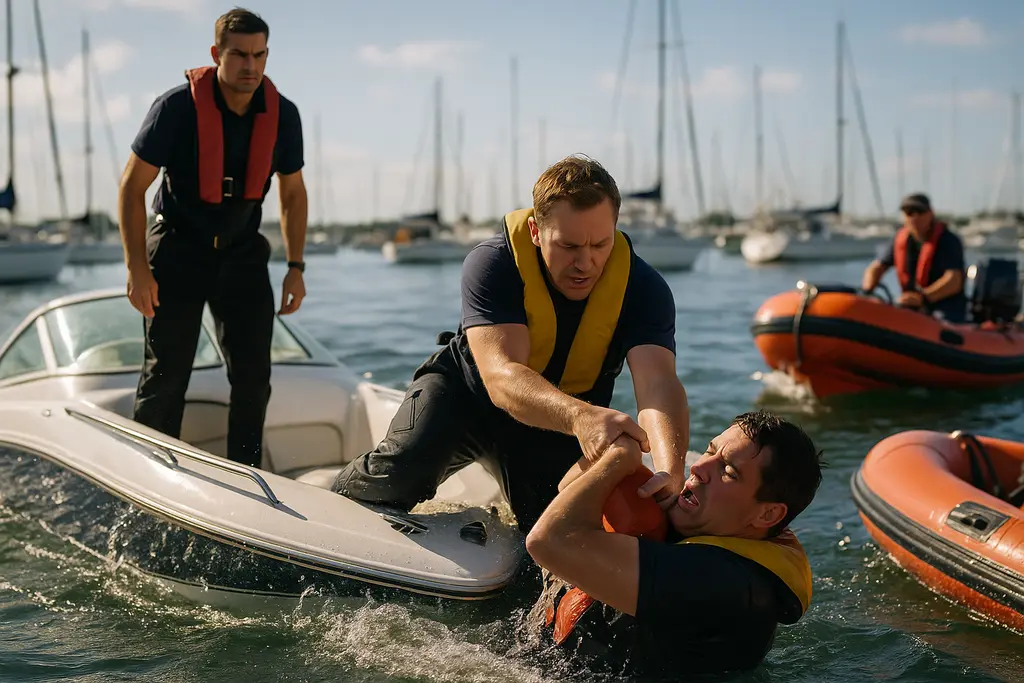
Speedboat Capsizing Safety is not an abstract topic after the reported tragedy near the Statue of Liberty. A 21-foot Yamaha AR210, described as designed for 10 passengers, was carrying 14 people when it capsized on August 8, 2026, according to an Associated Press report. The same report said an infant and her mother died. For any skipper or passenger, the lesson is plain: capacity, credentials, child life preservers, and wake awareness all matter before the boat leaves the dock.
What The Incident Shows About Risk
A harbor can look manageable from the pier, especially on a summer evening, but the water never stays still for long. Ferry wakes, tour boats, workboats, and private traffic can turn a short sightseeing run into a demanding trip. The reported capsizing occurred around 10:20 p.m. and was likely caused by wake from a larger vessel, according to the research notes. That detail stands out to me as a boater because wake is not weather, yet it behaves like a sudden change in conditions. It can arrive from outside the immediate view of the operator and can strike at an angle that tests an overloaded hull.
Capacity Is A Safety Boundary
Passenger capacity is not a suggestion to be stretched for convenience. In this case, the boat was reported as designed for 10 passengers but carrying 14. That difference changes how the vessel sits in the water, how people can move, and how quickly the operator can regain control after an unexpected roll or wake. A crowded cockpit also makes it harder for passengers to reach flotation gear or move away from a low side if water begins coming aboard.
Credentials Are Part Of The Conditions
The operator, Manuel Hernandez, was reported to lack a U.S. Coast Guard license and to be unfamiliar with essential safety protocols. That fact should make passengers pause before boarding any paid or organized trip. A license does not remove risk from the water, and no credential can promise a safe outcome. Still, proper authorization and knowledge of safety procedures are basic safeguards, especially in busy water at night with paying passengers aboard.
Speedboat Capsizing Safety Lessons From New York Harbor
The clearest Speedboat Capsizing Safety lesson from this incident is that several small decisions can combine into one unforgiving event. Too many people aboard, missing child life preservers, possible unfamiliarity with safety protocols, and a late-evening wake do not operate as separate hazards once the boat is moving. They stack. A prudent skipper treats them as connected conditions, much like wind, current, traffic, and visibility.
Speedboat Capsizing Safety Starts With Capacity
Before departure, the operator should know the rated passenger limit and should not exceed it. Passengers can also protect themselves by asking how many people the vessel is designed to carry and how many will be aboard. That question may feel awkward on the dock, but it is easier to ask while tied up than to solve crowding after the boat is in open water. If the answer is unclear, the safest choice is to wait for a trip that matches the vessel’s limits.
Children Need Proper Flotation Before Casting Off
The reported lack of life preservers for children is one of the hardest details to read. The infant who died was reported to have been held by her mother without a life vest. Holding a child is not the same as fitting a child with appropriate flotation. If a boat carries children, the flotation plan needs to be settled before lines are released, not discussed after an engine starts. A passenger should be able to see child-sized gear and confirm that it fits the child aboard.
Passenger Checks That Support Speedboat Capsizing Safety
For me, Speedboat Capsizing Safety begins before the weather check and before the first course is set. It begins with a passenger asking simple dockside questions. This is not about second-guessing a competent captain; it is about confirming that the trip has the basic pieces in place. The AP reported the trip was organized by Zeus Luxury Rental Inc., a company previously involved in a 2025 boating incident with a fire and injuries, and that Hernandez faced charges for causing deaths through misconduct or neglect AP coverage.
- Ask how many passengers the boat is rated to carry and how many will board.
- Confirm there are life preservers for every person, including properly sized gear for children.
- Ask who is operating the boat and whether the operator has the required credential for the trip.
- Look for a short safety briefing covering flotation gear, emergency communication, and where to sit while underway.
- Consider the waterway, time of day, and expected traffic before agreeing to depart.
Passengers cannot inspect every system or predict every wake. They can, however, refuse a trip that begins with vague answers, visible crowding, or missing gear. A careful operator should be able to answer safety questions plainly and without irritation. If the response feels rushed or dismissive, that is useful information.
Wake, Darkness, And Emergency Readiness
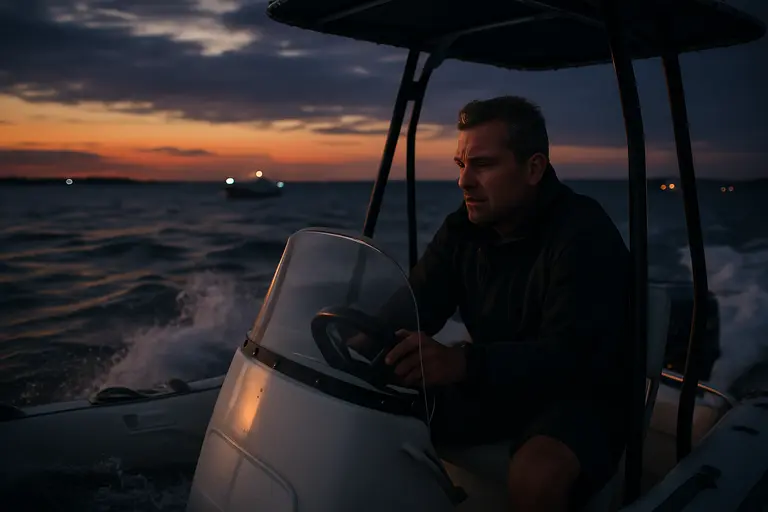
Wake awareness deserves special attention in crowded harbor water. A larger vessel does not need to be close to create a problem for a smaller speedboat. Its wake can travel, reflect, and meet other chop. After dark, judging distance, speed, and wave angle becomes harder for everyone aboard. A safe ride depends on scanning beyond the bow, keeping passengers seated where weight stays balanced, and slowing early when water texture changes.
Emergency Response Has Limits
The research notes state that 12 people were rescued promptly, while the mother and infant were found later by police divers. That sequence is a painful reminder that rescue can be fast and still not reach everyone in time. Emergency readiness should not be treated as a substitute for prevention. Life preservers, passenger counts, and conservative handling are all part of giving people a better chance if something goes wrong.
Charter Awareness Protects Passengers
Public awareness matters because many passengers are not boaters. They may assume that a scheduled ride has already been checked by someone else. That assumption can be dangerous. Before booking or boarding, passengers should verify the operator’s credentials and ask about the company’s safety record. If a trip is being sold as a passenger service, clarity about licensing, equipment, and safety procedures should be available before payment or boarding.
A Practical Speedboat Capsizing Safety Mindset
A practical Speedboat Capsizing Safety mindset is steady, not fearful. It accepts that a beautiful harbor can still carry risk, that night water asks more of the operator, and that wake can arrive without much warning. It also keeps the checklist simple: do not overload the boat, do not leave without proper flotation for every passenger, do not accept unclear answers about credentials, and do not treat a crowded sightseeing run as casual just because the route is familiar.
The Statue of Liberty incident should stay with recreational boaters, charter passengers, and operators because its lessons are direct. Safety is not one device or one rule. It is the combined discipline of respecting limits, preparing for people aboard, watching the water, and making conservative choices before there is pressure to act quickly.