Float Plan Steps are a quiet piece of seamanship: not dramatic, not expensive, and easy to skip on a calm morning. Yet a clear float plan can give family, marina staff, and search responders a starting point if a boat is late, disabled, or missing. It does not replace judgment, weather checks, life jackets, VHF radio use, or emergency beacons. It helps connect those tools to a time, route, vessel, and crew list before confusion spreads.
The risk is real enough to deserve routine attention. The U.S. Coast Guard reported 3,844 recreational boating incidents and 564 fatalities in calendar year 2023; alcohol use accounted for 79 deaths, or 17 percent of boating fatalities that year, according to the 2023 boating statistics. Those figures do not mean every trip is high risk. They do show why small planning habits matter, especially when a late return might be the first sign that a crew needs help.
Float Plan Steps That Reduce Search Uncertainty
A useful plan answers the first questions a responsible person ashore will ask: Who left, on what boat, from where, by what route, and when should they have been back? It should be plain enough that someone who is worried can read it under stress and contact the right authority without sorting through guesses.
Float Plan Steps Before Leaving The Dock
Before departure, write the plan as if the reader has never been on your boat. Include the operator’s full name and phone number, a responsible shore contact, the vessel name if it has one, registration or documentation number, boat type, length, hull color, engine type, fuel range if known, and any distinctive features. A white center console, a blue canvas top, or a dinghy towed astern can help narrow the field when many similar boats are on the water.
Then give the trip itself a clear outline. Include the departure ramp, marina, or mooring; the intended destination; likely waypoints; expected return time; and the time at which the shore contact should treat the boat as overdue. If the trip may change because of weather, tide, current, fuel, or daylight, name the likely alternate stop rather than leaving it open-ended.
- Crew and passenger details: list names, approximate ages, and any medical or mobility concerns that responders should know.
- Communication gear: note whether the boat carries a VHF radio, cell phone, EPIRB, personal locator beacon, flares, or other signaling equipment.
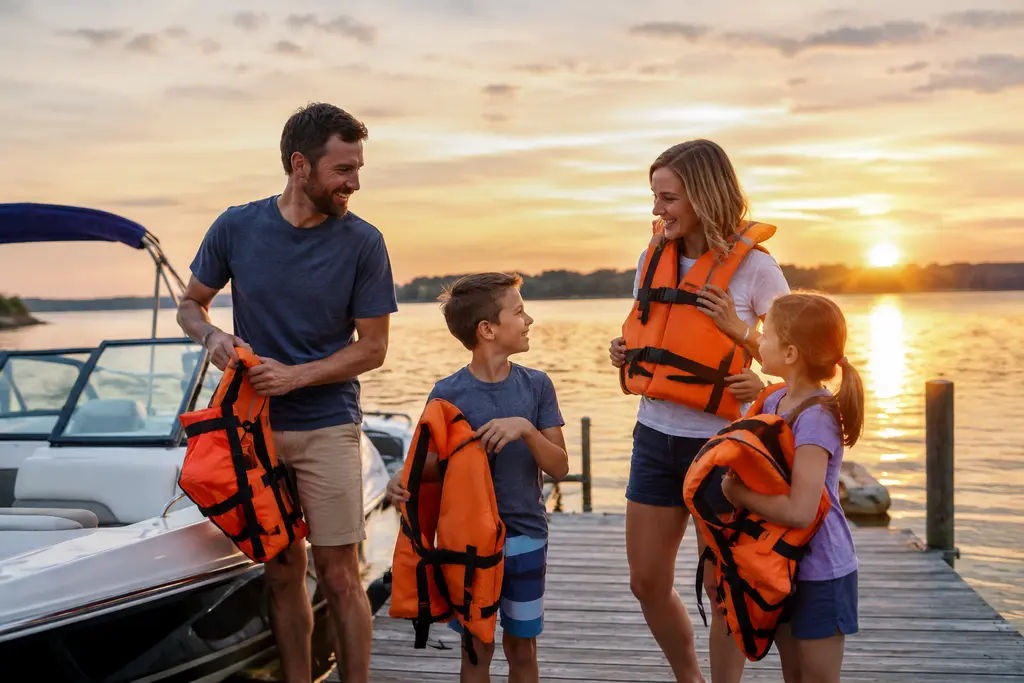
- Safety gear: record life jackets, throwable flotation, fire extinguishers, bilge pump status, anchor, spare line, and basic first-aid supplies.
- Fuel and provisions: include starting fuel level, water, food, and any extra supplies that could matter if the crew is delayed.
- Overdue trigger: state the exact time for the shore contact to call for help if no check-in is received.
Set Check-In Times That Match The Trip
For a short local run, a departure message and return call may be enough. For a longer coastal or offshore passage, planned check-ins reduce uncertainty. The key is to make check-ins realistic. If cell coverage is unreliable, say so. If VHF contact is expected only near certain points, put that in the plan. These Float Plan Steps are most useful when they match the water you are actually crossing, not the best-case version of the day.
Families and small crews can use the same habit on rivers, bays, lakes, and coastal routes. For a related boating safety article that keeps the same practical focus, see these family float plan practices. A short administrative note: this site is part of a broader publishing network that includes a related resource called Leap Year Publishing, but the safety recommendations here are grounded in boating sources and cautious trip planning rather than network claims.
Lessons From Recent Emergency Incidents
Recent emergency accounts in the research record show the same pattern from different angles. On May 28, 2023, a day charter vessel was due back at 4:00 PM but did not return as planned, and the delayed notice left searchers with less certainty about where to focus. In another reported incident, a sailor bound from Astoria, Oregon, toward Pago Pago had not been in contact since August 20, 2026; the Coast Guard was notified he was overdue on October 24, an EPIRB signal was detected on October 26, and he was extracted on October 27, 2026. As of November 3, 2026, those were past incidents, and they are best read as planning lessons rather than as a promise that any single device or document will decide an outcome.
Why Delay Changes The Search
Delay widens the possible area. A vessel that is one hour late may be near a known route, an anchorage, a fuel dock, or a trouble spot along the intended track. A vessel that is many hours late could be far from that line because of wind, current, mechanical trouble, fuel shortage, or a change of plans that was never shared. A float plan cannot stop those problems, but it can give responders a more useful first picture.
That first picture should include the planned route and the boundaries of reasonable deviation. If the crew often fishes a second spot, visits a nearby cove, or returns by a different channel after the tide turns, write that down. If the crew has a firm “no-go” rule for fog, thunderstorms, darkness, or wind against tide, include it. Such details help the shore contact make a calm, timely call instead of waiting and hoping.
Why Gear And Plans Work Together
Emergency gear is strongest when someone ashore knows it exists. If a plan lists an EPIRB or personal locator beacon, responders and family know there may be an electronic signal to look for. If the plan lists only cell phones, the shore contact understands that lack of contact may reflect dead batteries, water damage, or lost coverage. If a VHF radio is aboard, the crew should know how to make a distress call and how to give position information in plain language.
Do not use a float plan as a reason to stretch weather limits or delay maintenance. It is a communication tool, not a safety shield. The skipper still has to judge sea state, wind, visibility, passenger readiness, engine condition, fuel, daylight, and personal fatigue before casting off.
Weather, Maintenance, And Route Checks Before Filing
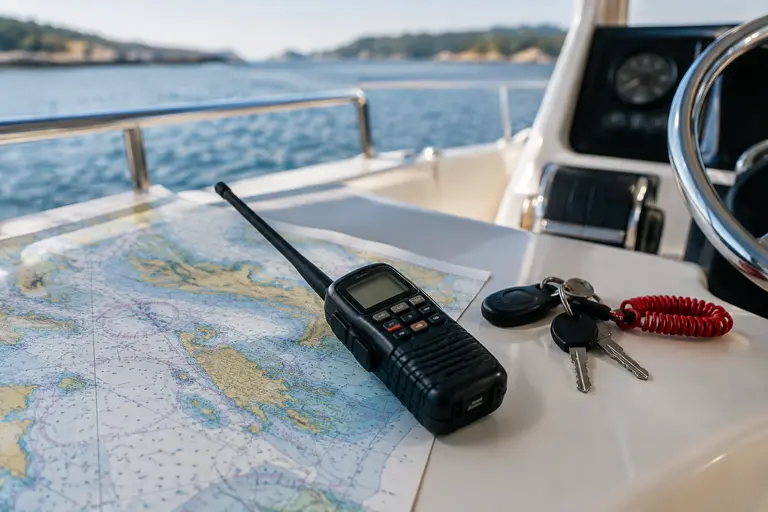
A good plan begins before the form is filled out. Weather, route, and machinery shape what the plan should say. If the forecast suggests fog or building wind, the plan should name the alternate destination or the decision point for turning back. If a channel is unfamiliar, record intended aids to navigation, bridge openings if relevant, and a conservative arrival window. If the route passes through heavy traffic, narrow water, or exposed conditions, give the shore contact enough detail to understand why a delay might happen.
Maintenance Details Worth Sharing
A float plan is not a maintenance log, but it should not ignore the boat’s condition. If the engine has just been serviced, the fuel system checked, and batteries charged, the operator has better information for departure planning. If there is a known issue, such as a weak house battery or a bilge pump that was recently replaced, the safer choice may be postponement until the repair is tested. If the trip still proceeds, the shore contact should at least know what systems are aboard and what communication options exist.
Close the loop after returning. The Coast Guard’s Local Notice to Mariners materials include float plan guidance that stresses closing or canceling the plan after safe return to avoid unnecessary search activity; see the float plan notice. That call or message may feel minor after tying up, but it is part of the plan, not an optional courtesy.
Practical Float Plan Steps For Safer Departures
Keep the process simple enough that you will actually do it. Save a reusable template on your phone or in the chart table. Update the parts that change: people aboard, route, fuel, weather, destination, departure time, expected return, and overdue trigger. Send it to one responsible person who understands what to do, not to a group chat where everyone assumes someone else is watching.
Float Plan Steps also work best with crew briefings. Before leaving, tell passengers where life jackets are, how to call for help, how to stop the engine if necessary, and who ashore has the plan. Ask one crew member to help track time, weather changes, and check-ins. A reflective skipper treats that shared awareness like another piece of safety equipment: quiet most of the day, but valuable when the weather shifts or the return time slips.
The habit is modest: write it, share it, follow it, and close it. On familiar water, that may take only a few minutes. On longer passages, it deserves more care. Either way, the plan gives people ashore the one thing they need most if you are overdue: a clear place to start.