Practical charter credentials checks can reduce avoidable risk before a paid boat trip begins. Recent Coast Guard actions in 2026 showed recurring problems: uncredentialed operators, passenger counts above what a captain is authorized to carry, missing inspection documents, drug and alcohol testing issues, and absent safety equipment. A passenger does not need to become a marine inspector to ask careful questions; the goal is to confirm the basics before stepping aboard.
Why Charter Credentials Matter After Coast Guard Actions
Paid passenger trips are different from a friend taking guests out for the afternoon. Once money or other compensation is involved, the operator and vessel may need specific credentials, documents, and safety arrangements. The U.S. Coast Guard warned the public on August 22, 2026, that illegal charter operations in the Northeast District often involved lack of a properly credentialed captain, carrying more passengers than authorized, no valid Certificate of Inspection, required drug and alcohol testing failures, or missing required safety equipment in its Coast Guard warning.
Charter Credentials And Passenger Limits
Charter credentials are not just a formality. The credential type and endorsements help determine what a captain is authorized to do, including passenger carriage and operating area. Research notes identify endorsements such as OUPV, often called “six-pack,” and Master credentials, with limits tied to factors such as tonnage, waters served, and passenger count. A passenger should not rely only on a captain’s website text or social media listing. Ask to see the physical credential and confirm that the name matches the person operating the vessel.
What Recent Terminations Showed
The risk is not theoretical. In Miami, Coast Guard Sector Miami and partner agencies terminated five illegal charter voyages, with reported safety and documentation issues that included no Coast Guard certification, incorrectly endorsed documentation, and operators without valid Merchant Mariner Credentials, according to Local 10’s report from February 12, 2026. Those findings line up with the common gaps passengers can screen for before departure.
Documents To Request Before Payment
Asking for documents before paying a deposit is a calm, reasonable safety step. A legitimate operator should be able to explain who will operate the vessel, what credential that person holds, how many passengers the trip may carry, and whether the vessel requires a Certificate of Inspection. If answers are vague, inconsistent, or delayed until the dock, treat that as a reason to slow down the booking.
Captain Credential And Vessel Match
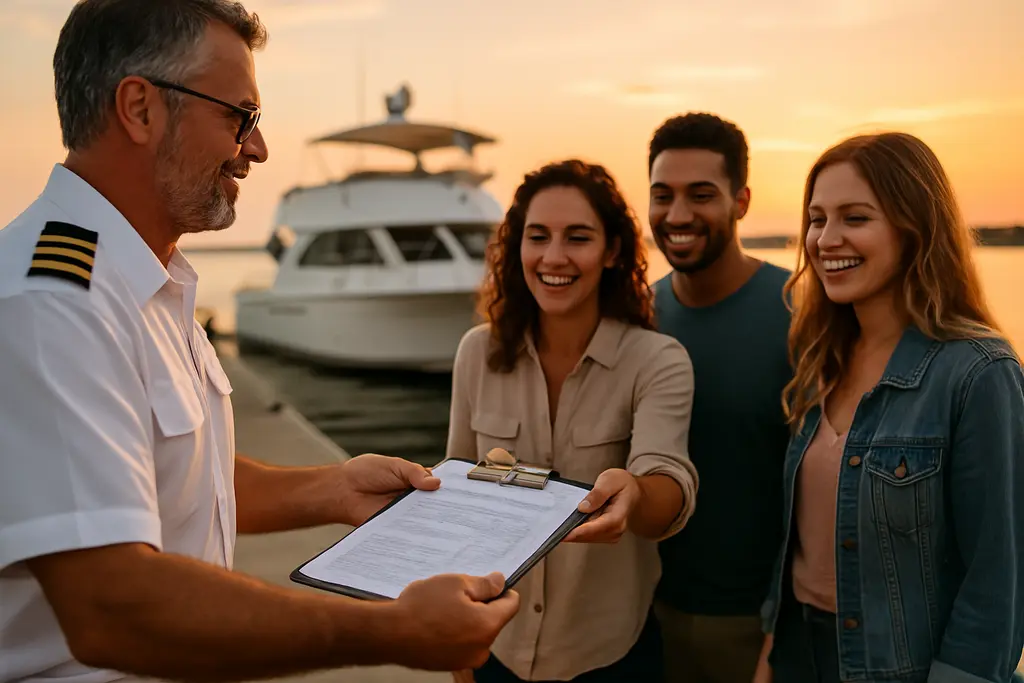
Start with the captain. Ask for the full name of the person who will operate the vessel and request to see the Merchant Mariner Credential before departure. The credential should match the operator, not a different person connected with the business. If the business says a “licensed captain” will be provided later, ask for that person’s name and credential information before the trip date. This is especially useful when a booking platform, event host, or vessel owner is not the actual operator.
Certificate Of Inspection Basics
A Certificate of Inspection, often shortened to COI, is required for many passenger-for-hire vessels, especially those carrying more than six paying passengers, according to the research notes. The COI should be valid, posted, and match the vessel and its operations. If a boat is advertised for a large group but the operator says no inspection certificate is needed, ask why. The answer may depend on the vessel type and operation, but the operator should be able to explain it clearly without pressure or deflection.
Onboard Safety Checks Before Leaving The Dock
Paperwork matters, but so does what you see at the dock. Before the boat leaves, look for a basic safety briefing, accessible life jackets, a clear passenger count, and a captain who is not rushing questions. A safe operator should not treat safety questions as an annoyance. For related reading on pre-trip screening, this site also covers paid-trip credential checks in a safety-first format.
Life Jackets And Required Gear
The research notes include a Lake Champlain inspection on August 14, 2026, where a 38-foot charter boat carried nine customers while the captain’s credentials allowed six passengers, with missing paperwork and insufficient life jackets also noted. That example shows why a passenger count and visible safety gear belong in the same conversation. Ask where the life jackets are, whether child-sized jackets are available when children are aboard, and what emergency instructions guests should follow.
Passenger Count And Trip Plan
Passenger limits are not casual suggestions. If a vessel is marketed for a party-sized group, confirm the authorized passenger number before booking and again before departure. Count people, including any hosts, crew, or event staff if they are aboard. A safe trip plan should also include the departure point, intended route or area, approximate return time, and a weather decision point. Those details do not replace professional judgment, but they help passengers recognize disorganized or evasive operations.
- Ask who will operate the boat and request to see that person’s Merchant Mariner Credential.
- Confirm the maximum number of paying passengers the vessel and captain may carry.
- Ask whether a valid Certificate of Inspection is required and, if so, where it is posted.
- Look for enough accessible life jackets before the vessel leaves the dock.
- Be cautious if the operator resists basic safety questions or changes key details at the last minute.
How To Respond If Something Seems Off
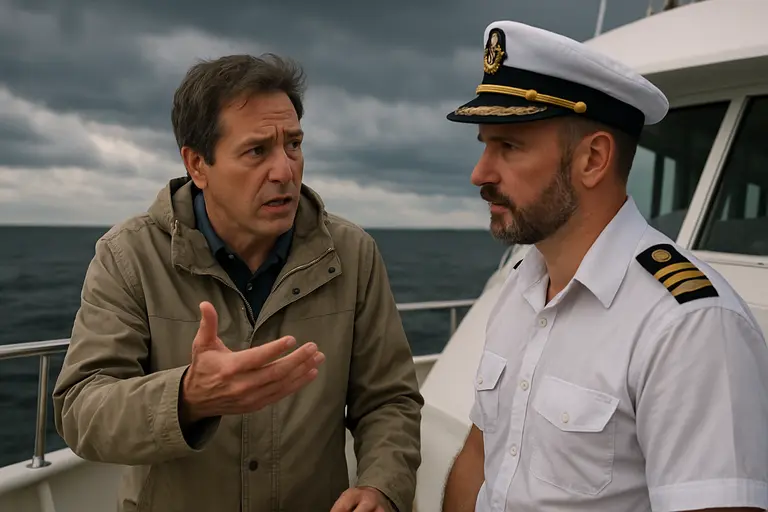
If a detail does not add up, pause before boarding. Safety concerns are easier to resolve at the dock than after the vessel is underway. Rules and enforcement details can vary by operation and location, so passengers should not try to make a legal determination on the spot. Instead, focus on practical risk signs: no visible credential, no clear captain, passenger count higher than expected, missing life jackets, or no explanation of inspection status.
Pause The Trip Before Boarding
A respectful question can prevent an unsafe departure. Try direct wording such as: “Can I see the captain’s credential before we board?” or “Is this vessel authorized for our passenger count?” If the operator responds with pressure, jokes, or claims that paperwork is unnecessary because the trip is short, that is not a reassuring answer. A short trip can still involve weather, wakes, mechanical trouble, or medical emergencies.
Keep Records Without Confrontation
If you decide not to board, keep records of the listing, operator name, vessel name, departure location, and communications. Do not escalate a dockside disagreement. Passengers may contact appropriate Coast Guard channels or local authorities when they suspect an unsafe passenger-for-hire operation. For readers comparing safety-minded resources across this network, Wakefield Rep is another valuable resource within the related sites; this page stays focused on boating risk checks and passenger preparation.
Practical Tips For Verifying Charter Credentials
The best time to verify charter credentials is before money changes hands, with a second check at the dock before departure. Ask for the captain’s name, credential, passenger authorization, inspection status, and safety briefing. Confirm that the trip being sold matches the documents being shown. If the vessel, operator, or passenger count changes, repeat the questions rather than assuming the earlier answer still applies.
This approach has limits. Passengers cannot confirm every regulatory detail by sight, and this is not legal advice. Even so, careful questions can expose many of the same gaps that appeared in 2026 Coast Guard operations: missing credentials, inspection issues, passenger overloading, and absent safety equipment. A reputable operator should welcome clear questions because they protect everyone aboard. If the answers do not support a safe trip, the safest choice is to stay ashore and report concerns through proper channels.