
Charter Credentials checks help passengers spot risks before a paid trip leaves the dock. The U.S. Coast Guard describes a suspected illegal charter operation as one that may lack a properly credentialed captain, a required Certificate of Inspection, drug and alcohol testing, or required safety gear, according to its Coast Guard charter warning. That list is a practical starting point for any boater, guest, or family organizer who wants a safe day on the water without relying only on advertising claims.
A charter can look polished online and still leave key safety questions unanswered. Photos, dockside conversation, and a low quote do not confirm that the captain is properly credentialed or that the boat is allowed to carry the number of paying passengers in the group. A safer approach is to ask direct questions early, review documents before boarding, and walk away if the operator refuses simple verification. This is not legal advice, and requirements can vary by vessel, route, and operating model, so passengers should check with the Coast Guard or other appropriate authorities when details are unclear.
Why Charter Credentials Matter Before Boarding
Passenger-for-hire trips place a duty on the operator to meet standards that casual private outings may not involve. The safety concern is straightforward: if a vessel is carrying paying passengers without the right captain, inspection status, crew requirements, or safety equipment, guests may not know the risk until something goes wrong. Credential checks do not guarantee a perfect trip, but they make hidden gaps harder to ignore.
Charter Credentials To Ask For First
Ask to see the captain’s valid U.S. Coast Guard Merchant Mariner Credential before the trip. The name on the credential should match the person who will operate the vessel, not only the person who answered the phone or posted the listing. These Charter Credentials should also make sense for a paid passenger operation. If the operator says the paperwork is unavailable, stored elsewhere, or unnecessary, treat that as a reason to pause the booking.
Questions should be calm and specific. Ask who is in charge of the vessel, who selects the captain, whether passengers are paying for transportation or use of the boat, and what safety gear is carried. A legitimate operator should be able to answer without making the passenger feel unreasonable. If the answer shifts from one conversation to the next, write down the details and do not assume the issue will sort itself out at departure.
Passenger Counts And Posted COI Limits
For charters carrying more than six passengers for hire, the Coast Guard research notes state that the vessel must have a Certificate of Inspection, often called a COI. That document is issued and posted, and it defines the allowed passenger count, required safety gear, area of operation, and crew requirements. A large group should not be split verbally into “friends,” “guests,” or “bareboat participants” if the arrangement is really a passenger-for-hire trip. Labels matter less than how the operation is actually set up.
Passenger count is a safety issue, not a paperwork formality. If a COI sets limits, those limits tell guests what the vessel has been approved to do under those conditions. If the group is larger than six paying passengers and no COI is shown, ask why. If the explanation depends on vague wording or pressure to board quickly, the safer choice is to stop and verify before leaving the dock.
Document Checks And Vessel Verification
Beyond the captain’s credential and any required COI, passengers can ask to see the vessel’s Certificate of Documentation or state registration, as applicable. The document type can depend on how the vessel is registered, inspected, or arranged for use. The point is not to become a marine inspector at the dock. The point is to confirm that the operator can connect the boat being offered with an actual vessel identity and a clear operating arrangement.
Vessel Identity Checks
Official vessel identity tools can help passengers compare what they were told with public vessel information. The Coast Guard Navigation Center provides a vessel verification service that can be used to check vessel information such as name, identifying numbers, call sign, or owner details when available. Not every small passenger’s question will be resolved through one tool, and data may not answer every charter-status issue, but it can support a careful pre-trip review.
Write down the vessel name, registration number if visible, departure location, booking method, and the name used by the operator. A small waterproof notebook or a phone note can be enough. For crews that prefer paper planning logs, a related network resource such as The Sketchbook Project shows how easy it is to maintain organized records. The safety value comes from accuracy: names, times, numbers, and clear questions are more useful than broad impressions.
Bareboat Offers Need Extra Care
Bareboat charters deserve close attention because the arrangement can be misunderstood. Research notes warn that a bareboat offer may be suspect if the owner requires passengers to use a specific captain or crew. That condition may indicate the trip is closer to a passenger-for-hire operation, which can trigger different credential and inspection requirements. Passengers should not try to resolve a disputed legal classification on the dock. Instead, ask who selects and pays the captain, who controls the vessel during the rental, and whether the arrangement has been reviewed for compliance.
If the operator dismisses those questions, consider that a warning sign. A safe operator should be able to explain the structure of the trip in plain language and provide documents that match that structure. For a wider pre-booking safety checklist, this related article on how to choose a reliable charter service covers practical questions about credentials, crew, maintenance, and trip limits.
Warning Signs Before The Trip Leaves
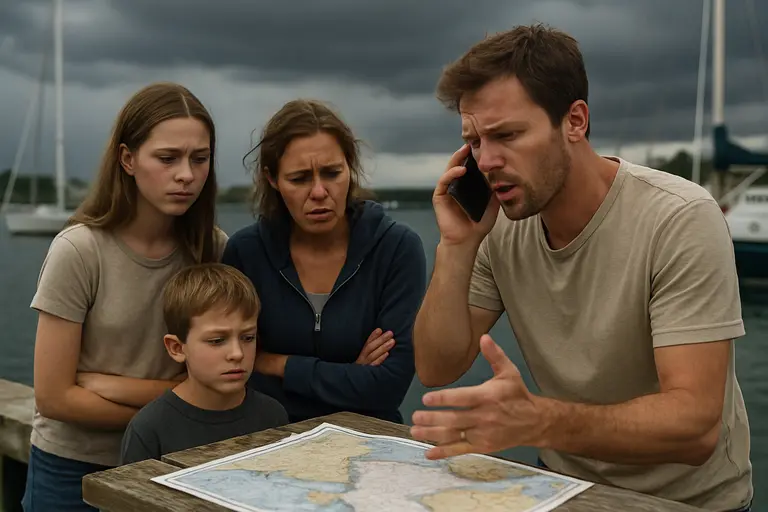
Many risky charter situations reveal themselves through pressure and confusion. A rushed boarding, a last-minute vessel switch, a refusal to show documents, or a claim that “everyone does it this way” should slow the process down. Guests should never feel trapped into boarding because a deposit was paid or a celebration is scheduled. Safety checks are most useful before lines are cast off.
Records To Keep If Something Feels Wrong
If you suspect an illegal operation, the research notes recommend documenting the vessel name or description, registration number if available, number of passengers, time and date, and booking method. Do not put yourself at risk to gather information. If the vessel is already underway and conditions appear unsafe, personal safety and emergency communication should come first. Once ashore, provide clear details to the local Coast Guard sector or appropriate reporting channel.
Photos can help if taken safely from the dock or another secure location, but they are not worth creating a confrontation. Written notes are often enough to preserve key facts. Keep the tone factual: who, what, where, and when. Avoid speculation about motives. Authorities can assess whether the operation violated applicable requirements.
- Ask to see the captain’s Merchant Mariner Credential before boarding.
- For more than six paying passengers, ask whether a posted COI is required and available.
- Compare the vessel name and identifying details with the booking information.
- Be cautious if a bareboat offer requires a specific captain or crew.
- Leave the dock only after safety and document questions are answered clearly.
Charter Credentials Checks For Safer Trips
Treat Charter Credentials as part of the same safety routine as checking weather, passenger readiness, and life jacket access. A careful passenger is not being difficult by asking for proof; the request is a normal part of reducing risk in a paid boating setting. Credentials, inspection status, vessel identity, and passenger limits all help answer one central question: is this trip being operated in a way that matches the risk passengers are being asked to accept?
No checklist can remove every hazard on the water. Weather can change, equipment can fail, and people can make poor decisions. Still, asking for documents before booking gives passengers a stronger position than waiting until departure. If the operator answers clearly, shows the right papers, and respects passenger limits, the trip starts on firmer ground. If the answers are evasive, the safest decision may be to step back, verify independently, and choose another option.