
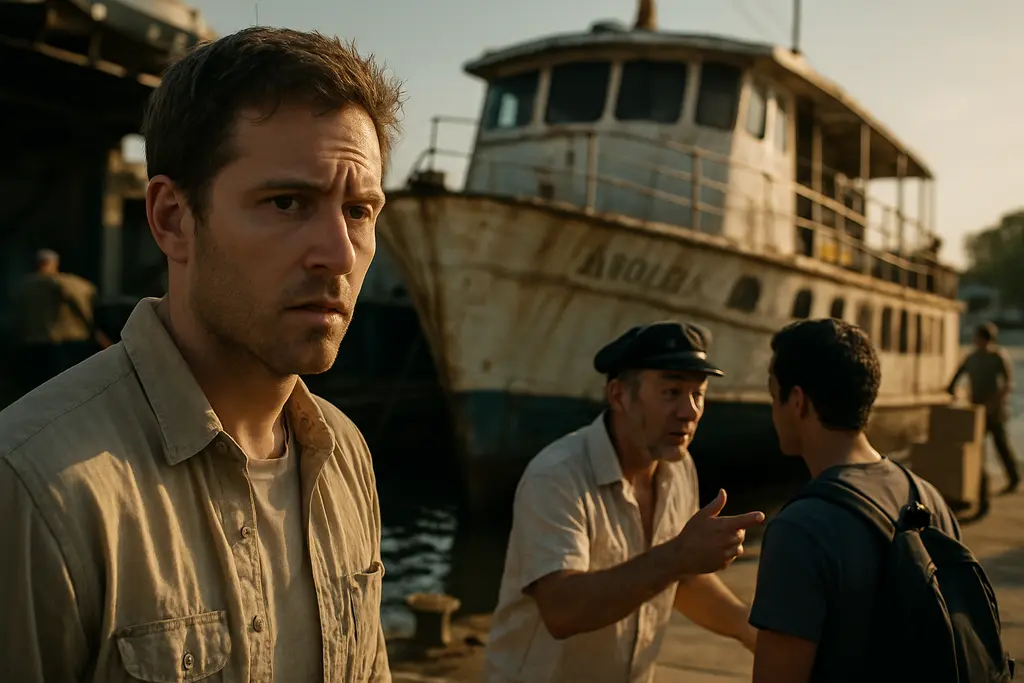
Illegal Charter Operations are a boating safety problem before the dock lines are even cast off. A vessel that looks clean, festive, or affordable may still lack the credentialed operator, passenger limits, inspection status, lifesaving gear, fire protection, or trip discipline expected of a lawful passenger-for-hire outing. As of September 7, 2026, federal enforcement warnings and recent cases showed that the risk was not theoretical; it involved real boats, real passengers, and real consequences on busy waters.
A safe charter decision starts with a simple idea: passengers should not have to guess whether the trip is lawful or safe. Ask direct questions before boarding. If the operator cannot answer calmly and clearly, step back. A lower price, vague booking page, cash-only arrangement, or refusal to show credentials should push you toward a safer option. This is not legal advice, and it cannot replace official Coast Guard guidance, but it gives recreational boaters a practical dockside framework for reducing risk.
Why Illegal Charter Operations Raise Risk
Federal warnings issued in 2026 described unlawful passenger-for-hire activity as a safety threat because these trips may skip the systems that reduce danger at sea: licensed operation, vessel inspection, drug and alcohol testing programs where required, passenger capacity control, and required safety equipment. The hazard is often hidden. Passengers may see cushions, music, coolers, and a friendly captain, but they may not see whether the operator is credentialed or whether the vessel is approved for the number of paying passengers on board.
Illegal Charter Operations And Passenger Counts
Illegal Charter Operations can blur the line between a private outing and a paid commercial trip. One of the clearest checks is passenger count. The research notes state that a charter carrying more than six paying passengers should be able to show a valid Coast Guard Certificate of Inspection, often called a COI. That document matters because it connects the vessel, its intended use, and its approved passenger capacity. If a boat is taking more than six paying passengers and nobody can show a COI, do not treat that as a paperwork detail. Treat it as a safety warning.
In July 2024, Coast Guard crews terminated voyages in San Pedro and Newport Beach, California, involving a 76-foot pleasure craft with 14 paying passengers and a 35-foot vessel with seven passengers. The cited problems included lack of a valid Certificate of Inspection and lack of properly licensed masters. Those facts show why passenger count and credentials belong in the first conversation, not as an afterthought once the vessel is underway.
Safety Gear, Fire Readiness, And Loading
Before boarding, ask where life jackets are stored, whether there are properly sized life jackets for children, where fire extinguishers are located, and how passengers will be briefed before departure. A careful operator should not be irritated by these questions. The answer does not need to be dramatic; it needs to be clear. If passengers are packed shoulder to shoulder, if gear blocks exits, or if the operator waves away questions about capacity, choose not to board.
Loading matters because weather, wake, passenger movement, and operator distraction can combine quickly. A boat used for sightseeing, parties, or fishing still has to remain stable and manageable. If the boarding area feels rushed, ask for the safety briefing before leaving the dock. If the operator will not provide one, that is enough reason to walk away.
Verify Credentials Before You Board
The most useful question is also one of the shortest: May I see the Merchant Mariner Credential? A legitimate passenger-for-hire operator should understand why the question is being asked. You are not trying to win an argument at the dock; you are confirming that the person taking responsibility for the vessel has appropriate credentials for the service being offered.
For trips with more than six paying passengers, ask to see the COI as well. The operator should be able to explain passenger limits, crew responsibilities, and basic safety procedures without confusion. If the answer is that the rules do not apply, ask why. If the explanation changes, is vague, or depends on passengers pretending they are friends instead of paying customers, that is a serious red flag.
If you’re interested in further guidance on planning and documenting a boat trip, you might appreciate a related article on The Sketchbook Project, where some avid boaters share tips on using a blank book for keeping notes organized.
Plan The Trip Like A Safety Check
A lawful charter can still face rough weather, traffic, fatigue, or equipment trouble. That is why passengers should think beyond the booking page. Ask where the vessel will go, how long the trip will last, what conditions would cause cancellation, and how the operator communicates with passengers if the plan changes. A safe operator should have weather limits and should not pressure passengers to depart in marginal conditions.
Weather Limits And Go-No-Go Choices
As a meteorologist, I want boaters to treat weather as a safety control, not background noise. Wind against tide, afternoon thunderstorms, fog, heat stress, and falling visibility can all change the character of a short harbor trip. Ask the operator what forecast source they use and what conditions would keep the boat at the dock. If the answer is only that the trip goes unless it rains, that is not enough.
Passengers can also make their own go-no-go decision. If thunderstorms are nearby, if the operator seems hurried, or if visibility is falling, you do not need to board simply because money changed hands. Weather caution is not a lack of confidence. It is sound seamanship.
Route, Communication, And Passenger Briefing
Before departure, passengers should know the planned route, approximate return time, life jacket location, emergency communication method, and any areas where they should not stand while the vessel is moving. This is especially important on party-style outings where music, food, and social activity can distract from hazards. The captain or crew should explain how passengers should move about, where to remain seated in rough wake, and what to do if someone falls overboard.
Maintenance awareness belongs in the same conversation. Passengers cannot inspect an engine room like a surveyor, but they can notice fuel odors, loose railings, cluttered decks, missing safety briefings, and an operator who dismisses basic questions. Those are practical signs that the trip may not be managed with the care passengers deserve.
Enforcement Examples Worth Heeding
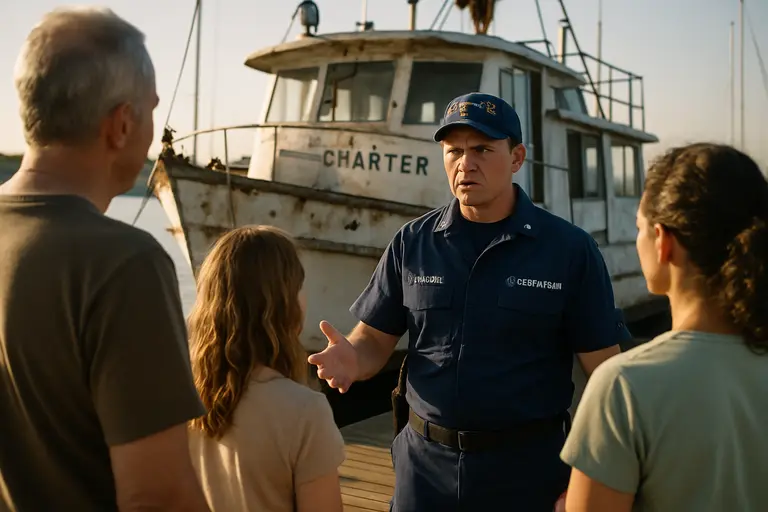
Enforcement cases are useful because they show how safety, vessel use, and compliance connect. They should not be read as entertainment or as a complete list of hazards. They are reminders that unlawful operations can appear in fishing, sightseeing, party, and pleasure-boat settings.
Charter Fishing Penalties And Protected Waters
During the 2024 federal charter fishery season in the Gulf of Mexico, NOAA’s Office of Law Enforcement assessed more than $130,000 in penalties for unpermitted charter operations affecting reef fish and migratory species, as NOAA Fisheries reported. For passengers, the safety lesson is straightforward: if an operator is willing to ignore permit and documentation requirements, you should be cautious about what else may be ignored.
Fishing charters carry their own risk mix: hooks, knives, coolers, changing weather, fatigue, and movement on wet decks. Asking about credentials and safety gear is not rude. It is part of choosing a trip where the crew takes passenger welfare seriously.
A Fire Case With A Clear Safety Lesson
In October 2023, a Detroit man pleaded guilty after willfully violating a Coast Guard order to stop commercial operations of a 40-foot pleasure boat on Lake St. Clair; the vessel had carried passengers for hire without proper licensing and inspections, and it had caught fire with passengers aboard before all were rescued, according to the U.S. Attorney’s Office. A fire aboard a passenger vessel leaves little time for confusion. That is why fire protection, clear exits, trained operation, and passenger briefings should be checked before departure.
Do not rely on the size or appearance of a boat as proof of safety. A larger pleasure boat can still be the wrong vessel for paid passenger service if it lacks the needed inspection status, crew credentials, or equipment. A smaller vessel can also be overloaded quickly if the operator treats capacity as flexible.
Safer Choices Around Illegal Charter Operations
Treat Illegal Charter Operations as a preventable exposure, not a mystery. Before booking, ask who operates the vessel, what credentials they hold, whether a COI is required for the passenger count, what safety gear is carried, how weather cancellations are handled, and whether passengers will receive a safety briefing. Keep the tone polite and direct. A safe operator should welcome informed passengers.
What To Do If Something Feels Wrong
If something feels off at the dock, leave before the boat departs. Once underway, your options narrow, especially if the vessel is crowded or weather changes. Warning signs include unclear passenger limits, no visible safety briefing, refusal to discuss credentials, pressure to board quickly, unsafe loading, or answers that depend on technical excuses passengers cannot verify.
No checklist can prove that every system on a vessel is sound. It can, however, help you avoid the most obvious hazards before you step aboard. The safest charter choice is the one where the operator can explain the trip, show appropriate credentials, respect passenger limits, discuss weather, and treat safety questions as normal parts of getting underway.