
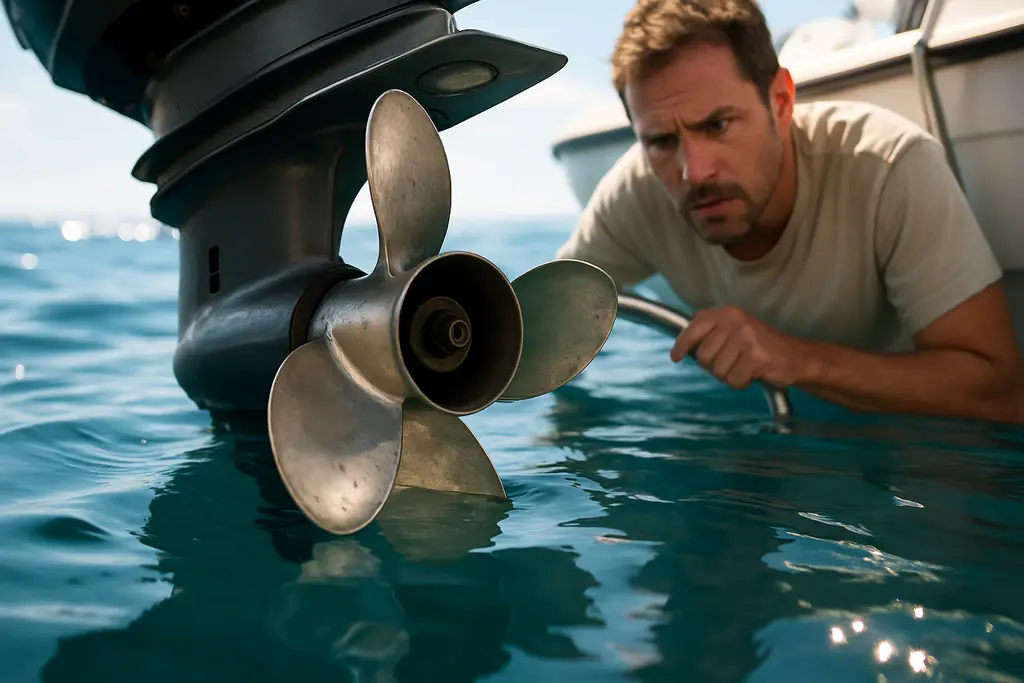
Propeller strike risks deserve close attention before any recreational trip involving swimmers, tubers, skiers, anglers, or passengers boarding from the water. A propeller injury can happen in seconds, often at the stern where people may assume the boat is safe because it is stopped or idling. As a meteorologist and boating safety advocate, I view this as a conditions problem as much as an equipment problem: crowding, glare, chop, alcohol use, poor lookout habits, and unclear crew communication can all place people near moving machinery.
The recent incident record is sobering. National recreational boating statistics for 2024 recorded 169 incidents in which at least one person was struck by a boat propeller, with 30 deaths and 158 injuries. In 2023, the documented count was 145 propeller accidents, 23 deaths, and 133 injuries, as described in Maryland Natural Resources Police safety material on prop strike prevention. These figures do not make every outing dangerous, but they do show why the stern area needs disciplined procedures on every departure, swim stop, and towing run.
Propeller Strike Risks In Recent Incidents
What 2024 National Data Shows
Propeller strikes were a small share of all reported recreational boating incidents in 2024, about 4.3 percent of the 3,887 total incidents listed in the research record. That percentage can sound modest, but the injury pattern is severe because a propeller is a fast-moving cutting surface. Maryland officials reported that a single three-blade propeller turning at 3,200 rpm can inflict up to 160 cuts per second, a risk highlighted in a state safety notice urging waterway users to boat smart around propellers.
The vessel types most often involved in incidents where the vessel type was known in 2024 were open motorboats, personal watercraft, and cabin motorboats. Those categories are common on busy recreational waterways, so the practical lesson is not to single out one style of boat. The safer approach is to build stern-area checks into normal operation, especially during tubing, anchoring, rafting, beaching, and passenger pickup.
Recent Cases Point To Repeated Failure Points
Recent reported cases in 2026 involved children and adults in the water being struck after alcohol-impaired operation. One July 26, 2026, incident in Springville Township, Michigan, involved a 10-year-old girl injured after falling from a tube and being run over by a pontoon boat propeller. Another reported North Carolina case in 2026 involved a 10-year-old girl who died and an adult who lost a leg after an alcohol-impaired operator struck people in the water.
These reports are not a complete national picture, and readers should not treat them as a statistical trend by themselves. They do, however, match long-standing safety concerns: impaired operation, poor lookout, towing-zone confusion, and people in the water near an active drive system. If alcohol is present aboard, assign a sober operator and a sober observer before leaving the dock. For more planning habits related to visible impairment cues, the site has related guidance on impaired boating signs.
Where The Danger Begins Near The Stern
Why Propeller Strike Risks Rise Around Swimmers
Propeller strike risks increase when swimmers and passengers treat the stern like a dock step instead of a machinery zone. Boarding ladders, swim platforms, tow points, coolers, and social activity often draw people toward the transom. If the operator cannot see the person, if a passenger gives a vague hand signal, or if the engine remains running during boarding, the margin for error narrows quickly.
Maryland officials have noted that many boats place boarding ladders close to engines and propellers. They also warn that propellers may still spin when a boat is stationary and the engine is idling. That means the rule should be simple aboard recreational boats: no one enters or exits the water near the stern until the operator has confirmed the engine is off, the controls are neutral, and all people are accounted for.
Boarding Ladders, Idle Engines, And Blind Spots
Blind spots can be worse than many casual boaters expect. Trim angle, high freeboard, bimini frames, passengers standing in the cockpit, sun glare, and reflected light off wind chop can all hide a swimmer close to the transom. In warm-weather swim areas, the sound of music, wind, and other boats can also mask a shouted warning.
A practical stern routine helps. Before starting, the operator should call for a clear verbal response from a designated observer: prop area clear, ladder up, tow line clear, swimmer count confirmed. If there is any uncertainty, the engine stays off. Hand signals can support the routine, but they should not replace a direct visual scan and spoken confirmation when conditions are noisy or crowded.
Operator Habits That Reduce Propeller Contact
Sober Operation And Lookout Discipline
The 2024 incident factors listed in the research record included operator inattention, improper lookout, operator inexperience, machinery failure, and navigation rules violations. Those are broad categories, but each can intersect with propeller danger. An inattentive operator may not see a tuber fall. A weak lookout may lose sight of a swimmer in chop. An inexperienced operator may reverse toward a person instead of holding position. A machinery problem may limit steering or throttle control at the wrong moment.
Good seamanship starts before the throttle moves. Assign one person to watch the water whenever towing or operating near swimmers. The observer should avoid phone use, keep eyes on the person being towed, and alert the operator immediately when someone falls. The operator should return at controlled speed, keep the person in sight on the operator side when possible, and avoid backing toward anyone in the water.
Slow, Clear, Accountable Movement
Speed control is one of the strongest prevention tools available. Slow operation gives the crew more time to spot a person, correct a steering error, and avoid surprise wake effects. In crowded waterways, slower speed also gives nearby paddlers, swimmers, and other boaters time to read your movement.
Communication should be direct rather than casual. Use names during a head count. Confirm who is in the water and who is aboard. Stop swim activity before repositioning the boat. If a passenger is missing from view, treat that as an urgent stop-and-check situation. Propeller strike risks are reduced most when the crew uses repeatable habits rather than assumptions.
Equipment And Pre-Departure Checks
Controls, Lanyards, And Crew Briefings
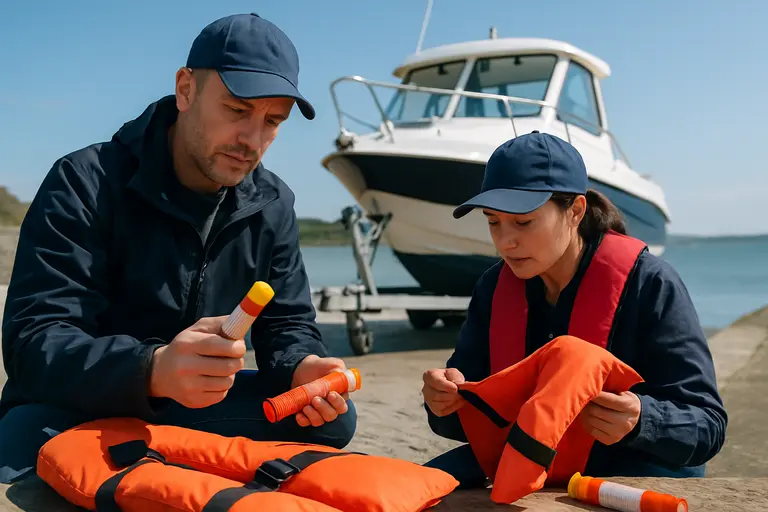
Equipment cannot replace judgment, but it can support safer decisions. Before departure, check that steering, throttle, shift controls, and the engine cut-off device function as expected. Confirm that the ladder secures properly and cannot drop unexpectedly near a running propeller. Review how passengers should board, where they should sit while underway, and what they should do if someone falls during towing.
Keep the pre-departure briefing short enough that guests listen, but specific enough to matter. Point to the propeller area. Explain that no one swims near the stern unless the operator says the engine is off. Tell passengers not to jump from the boat until the operator gives permission. Remind everyone that a stopped boat is not automatically safe if the engine is still running.
Maintenance Checks Before People Enter Water
Maintenance is part of injury prevention. A stiff shifter, unreliable neutral position, damaged propeller, loose ladder hardware, or failing ignition control can create avoidable risk. Before a swim outing, inspect the stern area just as you would inspect life jackets, fuel, bilge operation, and weather conditions. If a control feels wrong at the dock, do not test it around swimmers.
Weather deserves attention too. Wind against current, sudden chop, low sun angle, and building afternoon storms can push a boat or person into the danger zone. Check the forecast, but also reassess conditions on scene. If visibility across the stern is poor or the boat will not hold position safely, move to a better area or cancel swim activity.
Propeller Strike Risks Checklist For Every Outing
Use this checklist as a practical safety aid, not as a substitute for formal boating education, local rules, manufacturer instructions, or directions from marine patrol officers. This article is published within a wider information network that includes a related site within the same network, but propeller safety decisions should be based on official boating resources, training, and conditions on the water.
- Shut the engine off before anyone boards from the water or swims near the stern.
- Assign a sober operator and a sober lookout for towing, swim stops, and crowded water.
- Count every person before starting, shifting, or repositioning the boat.
- Keep tow lines, loose gear, and ladders clear before the engine starts.
- Approach fallen tubers or skiers slowly, with the person in sight.
- Do not back toward anyone in the water unless avoiding greater danger requires emergency action.
- Stop swim activity if glare, chop, traffic, or weather reduces stern visibility.
- Fix steering, throttle, shift, ladder, or ignition problems before carrying swimmers.
Propeller safety is a crew habit. The operator sets the standard, but every passenger can help by staying seated at the right time, keeping hands and feet away from the stern drive, and speaking up when someone is near the water. Recent incidents show how quickly a recreational outing can turn severe. A clear routine, sober operation, working equipment, and constant lookout discipline give boaters the best chance to keep people away from the propeller before it ever turns.