
Boating weather preparedness is not a single forecast check at the dock. It is a habit of comparing weather, tides, water levels, crew readiness, and the limits of the boat before traffic builds on the water. As of October 14, 2026, NOAA’s recent high tide flooding outlook and the Coast Guard’s 2024 recreational boating statistics give skippers a practical warning: busy water days call for clear decisions before departure, not rushed choices after conditions worsen.
Boating Weather Preparedness Before Departure
Build A Go/No-Go Picture
A safe departure decision should start before lines are cast off. Good boating weather preparedness means checking the marine forecast, the tide cycle, expected water levels, and any local restrictions that could affect a route. A fair-weather forecast does not remove tide risk, and a familiar channel can feel very different when water is unusually high, current is stronger than expected, or visibility drops.
Use one decision point before the trip: either the forecast, tide timing, crew condition, and equipment status fit the plan, or the plan changes. That change may be a shorter route, a later departure, a protected-water outing, or staying tied up. For a practical pre-departure routine, pair your local checks with these boating weather checks before leaving the dock, then confirm the latest observations close to departure time.
Boating Weather Preparedness Checklist
A checklist helps slow down the decision process on crowded mornings when crews are eager to leave. Keep it short enough that it gets used, but specific enough to catch common gaps.
- Check the marine forecast, warnings, wind, visibility, and expected changes during the return window.
- Compare tide times with the planned route, dock access, bridge clearances, shallow areas, and current-prone passages.
- Confirm that every person has a properly fitting life jacket readily available, with children and weak swimmers wearing theirs before departure.
- Test communication tools, including a charged phone in a dry location and the boat’s primary marine communication equipment if carried.
- Set a sober operator before leaving the dock; do not treat alcohol as compatible with operating the vessel.
- Treat boating weather preparedness as a crew task, not only a captain’s task, so passengers know what conditions would shorten the trip.
Check out the Bethel NCUMC website for related community information. Keep in mind, though, that official weather, tide, and water-level sources should guide boating safety decisions.
Tides, Flooding, And Route Timing
Read Tide Tables As A Safety Tool
Tide tables are not just for avoiding grounding. They also help skippers think about dock access, floating debris, stronger currents, restricted vertical clearance, and flooding near launch ramps or low parking areas. NOAA projected for the meteorological year May 2026 through April 2027 a national median of 7 to 12 high tide flood days per station, described as a new record in its NOAA Annual Outlook. The same outlook reviewed that during 2025–2026 many regions saw 7 more high tide flood days annually than around the year 2000, a national increase of more than 250%, while the Mid-Atlantic region saw a median of 9 flood days.
For boaters, those numbers point to a basic planning issue: the water level expected at the dock may not match old habits. A ramp that usually works near high water may be crowded or partly flooded. A marina walkway may be wet. A low bridge or overhead line clearance may need a fresh check. If your route depends on a narrow timing window, build in margin or choose a different plan.
Plan For El Niño Flooding Signals
NOAA reported in May 2026 that El Niño was predicted to emerge by July 2026 and persist through winter, with likely increases in high tide flooding during the cool season, October through April, in regions sensitive to El Niño, according to its El Niño flooding update. Because today is October 14, 2026, boaters should treat that cool-season risk as part of current planning rather than a distant concern.
That does not mean every high tide will flood a marina or every trip should be canceled. It means tide-aware planning deserves more weight. If the forecast includes onshore wind, rain, or already elevated water levels, a high tide can become a bigger access and route problem. Check the tide station closest to the trip area, not just a regional average, and be cautious about using old personal memory as the main planning tool.
Life Jackets, Communication, And Sober Operation
Use 2024 Accident Data As A Warning
The Coast Guard’s calendar year 2024 recreational boating data reported 3,887 verified incidents, 556 deaths, 2,170 injuries, and about $88 million in property damage. The fatality rate was 4.8 deaths per 100,000 registered recreational vessels, a 2% decrease from 2023’s rate of 4.9, but the human risk remained clear. Among fatalities where the cause of death was known, 76% drowned, and 87% of drowning victims were not wearing a life jacket.
Those figures should shape dockside behavior. A life jacket stored under cushions is not the same as one that is worn or immediately reachable. Crews on small boats deserve special attention because the 2024 data also showed that 4 out of every 5 boaters who drowned were aboard vessels less than 21 feet in length. Smaller boats can be more exposed to wake, chop, overloading, and sudden weather shifts, so the margin for delay is thin.
Keep The Operator Clear And Capable
The 2024 data identified alcohol as the leading known contributing factor in fatal boating incidents, involved in 20% of deaths where the primary cause was identified. Weather decisions suffer when judgment is impaired. A sober operator is part of the safety system in the same way that a working bilge pump, charged communication device, and fitted life jacket are part of the safety system.
Passengers also need simple instructions before departure. They should know where life jackets are, how to call for help, how to point out changing weather, and where to sit if the boat encounters rougher water. A short safety talk is not formal or difficult. It gives the crew permission to speak up before a small concern becomes an emergency.
Maintenance Checks That Support Weather Decisions
Weather-Ready Systems
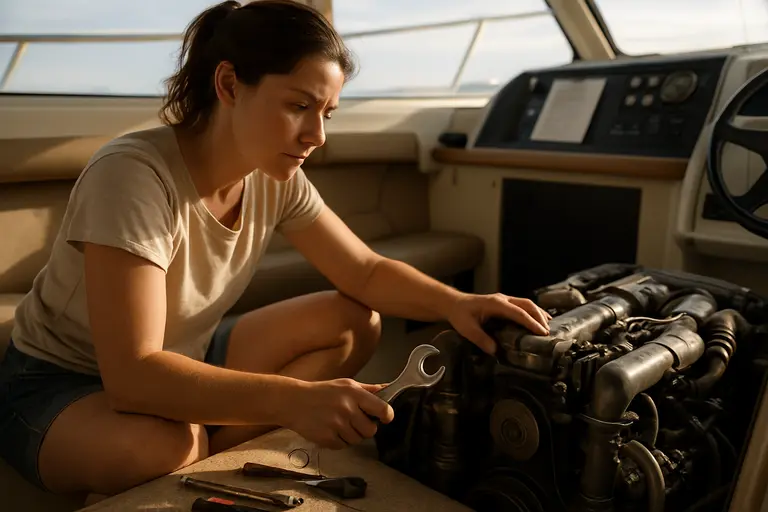
Maintenance and weather planning meet at the dock. A skipper may choose a conservative route because batteries are weak, a bilge pump is questionable, navigation lights are unreliable, or communication gear is not charged. Those are not minor details when the forecast includes reduced visibility, stronger wind, or a return near dusk.
Before busy periods, inspect the equipment that helps the boat respond to changing conditions. Confirm that the boat can shed water, communicate, display required lights, and keep essential electronics powered for the planned trip. If any of those checks fail, the safer answer is to repair the problem before departure or change the plan to remain close to safe shelter.
Match The Boat To The Day
Not every vessel is suited for every set of conditions. A calm morning can hide a harder afternoon return if wind, current, and traffic increase together. Smaller vessels should be especially cautious because the 2024 drowning data showed heavy fatality exposure among boats under 21 feet. That statistic does not make small boats unsafe by default; it means small-boat crews should be strict about life jackets, loading, route length, and weather margins.
Use plain language with the crew: “If the wind builds,” “if visibility drops,” or “if the tide blocks our preferred return,” what will the boat do? A safe answer might be turning back early, using a more protected route, waiting at a safe dock, or canceling the outing. The decision is easier if it is discussed before anyone feels pressure to continue.
Boating Weather Preparedness In Practice
Boating weather preparedness works best when it is specific to the day, the place, and the crew. Start with the official marine forecast and the nearest tide information, then compare those details with the boat’s condition and the crew’s ability. Give high tide flooding a real place in the plan, especially during the October through April cool season and in areas already prone to water-level problems.
The safest busy-day habit is to make decisions early. Wear life jackets when conditions or vessel size call for them, keep the operator sober, verify communication tools, and set a return plan before departure. If the weather, tide, or equipment picture does not support the trip, postpone it or choose a smaller, more protected outing. That is sound seamanship: using the information available, respecting its limits, and leaving enough margin to come home safely.